
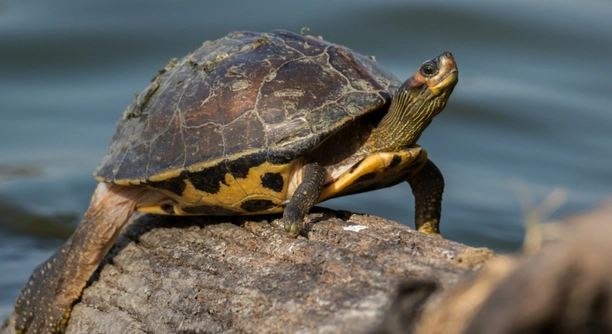
Is your Indian roofed tortoise looking a little thinner than usual, leaving you unsure if it’s at a healthy weight? Keeping track of your tortoise’s body condition can sometimes be tricky, especially for new owners.
The primary indicator that your Indian roofed tortoise is underweight is a visibly sunken appearance around the limbs and neck, coupled with a lightweight feel when gently lifted. This condition often signals insufficient nutrition or underlying health issues.
Recognizing these signs early can make a significant difference in your tortoise’s overall well-being and help prevent more serious problems down the line.
Sunken Limbs and Neck Area
One of the first things you might notice if your Indian roofed tortoise is underweight is a sunken look around its limbs and neck. These areas should appear full and smooth when your tortoise is healthy. If the skin seems loose or the limbs look thinner than usual, it can be a sign that your tortoise isn’t getting enough nutrition. This condition often develops gradually, so it’s easy to miss unless you observe closely. Make sure to check these areas regularly during cleaning or handling. Spotting these signs early will give you a chance to improve their diet.
A lightweight feel when picking up your tortoise is another red flag. Healthy tortoises should feel solid and dense.
If you notice this, start by reviewing their current diet and environment. Ensure they are receiving enough calcium, vitamins, and proper lighting, all of which contribute to their healthy weight.
Loose, Wrinkled Skin
Loose, wrinkled skin often shows up when a tortoise is underweight. This happens because there isn’t enough fat and muscle beneath the skin to give it a firm, smooth appearance.
When the skin appears wrinkled, especially around the legs, neck, or tail, it usually signals poor nutrition over time. An underweight tortoise lacks the body mass needed to stretch the skin properly, leading to sagging. This condition might also make their movements seem weaker or slower. If you notice these signs, double-check that they are receiving enough leafy greens, protein sources like insects, and calcium supplements. Hydration also plays a key role; dehydration may worsen the wrinkled appearance. Keep their water dish clean and accessible at all times. Proper humidity levels in their enclosure also help support healthy skin condition. Adjusting their diet and hydration promptly can often reverse early signs of weight loss and improve their overall appearance.
Visible Shoulder Bones
Visible shoulder bones are a clear sign that your Indian roofed tortoise might be underweight. When the shoulder area starts to protrude or look sharp, it indicates that muscle and fat stores are depleted.
A healthy tortoise should have well-rounded shoulders covered by firm muscle and skin. If the bones around the shoulders look pronounced or bony ridges become more noticeable, it’s a sign the tortoise isn’t storing enough energy. This could stem from an unbalanced diet, insufficient protein, or lack of key vitamins. Regularly feeling the area gently during handling can help you detect these changes before they worsen. Addressing it early by adjusting their food intake and ensuring proper UVB lighting can prevent further decline.
Along with dietary improvements, check their enclosure temperature. A tortoise kept in an environment that’s too cold may eat less and struggle to metabolize food properly. Consistent warmth supports healthy digestion.
Soft or Misshapen Shell
A soft or misshapen shell is another warning sign that should not be overlooked. The shell might appear flat, uneven, or feel slightly flexible when touched. This typically results from calcium deficiency or lack of proper UVB lighting.
Indian roofed tortoises rely on a strong, well-formed shell for protection and overall health. When underweight, their shell can lose firmness and show irregular growth patterns. Lack of calcium-rich foods like leafy greens, combined with insufficient exposure to UVB light, leads to poor calcium absorption. Without enough calcium, the shell becomes soft, leaving the tortoise vulnerable to injuries and further health problems. Offering a diet rich in calcium, ensuring they receive at least 10-12 hours of UVB lighting daily, and including supplements if needed, can support proper shell development. Regular shell checks help you catch soft spots or misshaping early and take corrective action quickly.
Lack of Appetite
A noticeable lack of appetite is one of the most common signs your tortoise might be underweight. If they consistently ignore food or eat much less than usual, it can quickly lead to weight loss and poor body condition.
Loss of appetite often links to stress, improper temperatures, or illness.
Reduced Activity Levels
When an Indian roofed tortoise is underweight, their energy levels usually drop. You might see them spending more time hiding or resting, rather than exploring or basking. This sluggish behavior is often tied to inadequate nutrition and weak muscle strength, making it harder for them to stay active.
Prominent Hip Bones
If the hip bones appear sharp and defined, it’s usually a sign of low body mass. A healthy tortoise’s hips should feel padded and smooth, not bony or protruding.
FAQ
What should I feed my Indian roofed tortoise if it’s underweight?
When your tortoise is underweight, the first step is ensuring its diet is rich in calcium, fiber, and vitamins. Offer dark leafy greens like collard greens, dandelion, and kale. Adding plant-based protein sources, such as hibiscus flowers or certain types of mushrooms, can help too. Also, consider adding calcium supplements to their diet, as this helps support their shell and overall health. If you’re unsure about portion sizes, consult with a vet for personalized recommendations.
How can I tell if my tortoise is underweight?
A clear sign of underweight is the visible loss of fat and muscle. You’ll notice sunken limbs, neck, and shoulders, along with a noticeable sharpness in their bones, especially around the hips and shoulders. If you gently lift your tortoise, it should feel solid and heavy. If it feels light, then it’s likely underweight. Additionally, a lack of appetite, slower movements, or changes in behavior can also signal weight issues.
How can I encourage my tortoise to eat more?
To encourage your tortoise to eat more, provide a variety of food. Offer different leafy greens, flowers, and occasional fruits like strawberries or papaya. Changing the presentation of their food can also help; sometimes, they prefer food arranged in a specific way. Ensure the food is fresh and clean, as spoiled food can cause them to avoid eating. If your tortoise is picky, you can try hand-feeding or offering food at different times of the day.
Is it normal for my tortoise to lose weight in winter?
Yes, it’s normal for some tortoises to lose a little weight during colder months. However, drastic weight loss should not happen. If your tortoise is brumating (hibernating), it may eat less, but it still needs to maintain some fat reserves. Ensure your tortoise’s enclosure is at the correct temperature and humidity level, so they stay healthy during colder seasons.
Can dehydration cause my tortoise to appear underweight?
Yes, dehydration can make your tortoise look underweight. When a tortoise is dehydrated, its skin may look wrinkled, and its overall body condition can decline. Ensure your tortoise always has access to fresh, clean water. You can also soak your tortoise in warm water for 20-30 minutes a few times a week to help improve hydration.
What is the best temperature for an underweight tortoise?
For an underweight tortoise, maintaining proper temperatures is crucial. The basking area should be between 90-95°F (32-35°C), while the cooler side of the enclosure should be around 75-80°F (24-27°C). Proper temperature regulation helps with digestion and encourages healthy eating habits. If the enclosure is too cold, it can cause your tortoise to eat less and slow down its metabolism.
Can I feed my tortoise commercial food to help it gain weight?
While commercial food designed for tortoises can be used occasionally, it should not be the main component of their diet. These foods often lack the nutritional diversity found in fresh vegetables and plants. Instead, focus on providing a variety of natural foods that mimic their diet in the wild. If your tortoise is underweight, focus on fresh greens, calcium-rich foods, and proper hydration.
How long does it take for a tortoise to gain weight?
It can take a few weeks to a couple of months for a tortoise to gain weight, depending on how severe its weight loss is. With proper care, good nutrition, and an improved environment, you should begin to see gradual improvements. Regular weight checks and monitoring its behavior can help ensure your tortoise is on the right track.
Are there any signs of illness that could cause my tortoise to lose weight?
Yes, illnesses like parasites, respiratory infections, or shell rot can cause weight loss. If your tortoise isn’t eating and is rapidly losing weight, it’s crucial to visit a vet for an examination. A vet can help determine if there is an underlying health issue and offer treatment to help your tortoise recover. Keep an eye out for any unusual behavior, discharge from the eyes or nose, or changes in the shell’s condition.
Should I give my tortoise vitamins if it is underweight?
Yes, vitamins can help your underweight tortoise, but it’s important to use the right kind. A multivitamin supplement, particularly one that includes vitamin A and D3, can help your tortoise’s overall health, especially if their diet lacks essential nutrients. However, always consult with a vet before adding supplements, as over-supplementation can lead to health problems.
Can I overfeed my tortoise to help it gain weight?
Overfeeding can lead to other health issues, including obesity or shell deformities. Instead of simply increasing the quantity of food, focus on offering more nutrient-dense, balanced meals. It’s important to provide the right amount of food based on their specific needs. Increasing the variety of their diet and ensuring proper calcium intake will help them gain weight safely.
Final Thoughts
Keeping your Indian roofed tortoise healthy and at a proper weight requires attention to their diet, environment, and overall care. If your tortoise is underweight, early detection is key. The signs, such as sunken limbs, visible bones, and loss of appetite, should not be ignored. These can all point to nutritional deficiencies, improper living conditions, or even health issues. By regularly observing your tortoise’s behavior and physical condition, you can take action before the situation worsens.
A balanced diet is essential for your tortoise to maintain a healthy weight. Fresh greens, calcium-rich foods, and proper hydration are the foundation of their nutrition. Along with this, ensuring that they have access to enough UVB lighting and maintaining proper temperature levels in their habitat are also important for their metabolism and overall well-being. If you’re unsure about what’s best for your tortoise, don’t hesitate to consult with a vet for advice on the most suitable diet and care routine.
Lastly, remember that each tortoise is different, and their needs can vary depending on their age, size, and health condition. What works for one tortoise might not work for another, so always pay close attention to your pet’s unique requirements. With patience and the right care, you can help your tortoise regain or maintain a healthy weight and ensure they live a long, happy life.

Hello,
If you enjoy the content that we create, please consider saying a "Thank You!" by leaving a tip.
Every little bit helps us continue crafting quality advice that supports the health, happiness, and well-being of pets around the world, for pets of all shapes, sizes, and species.
We really appreciate the kindness and support that you show us!