
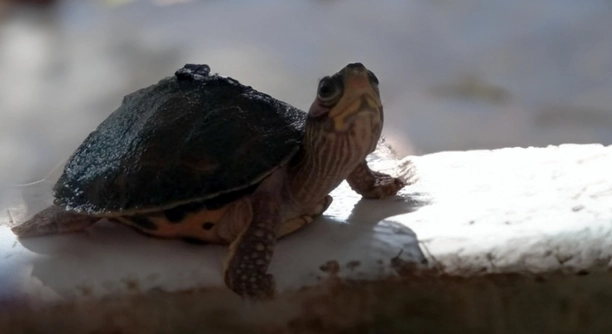
Indian Roofed Tortoises are fascinating creatures, but sometimes their behavior, like constant digging, can leave their owners puzzled. Understanding why they dig and how to manage this behavior is key to their well-being.
The primary reason an Indian Roofed Tortoise digs is due to its natural instincts. They dig to create a safe space for resting, to regulate temperature, or even to search for food. Digging is a form of natural behavior.
Learning the root causes of this behavior can help you create a more comfortable environment for your tortoise. With a few adjustments, you can manage the digging while keeping your pet happy and healthy.
Why Does My Indian Roofed Tortoise Dig So Much?
Indian Roofed Tortoises dig for various reasons related to their natural instincts. In the wild, they often dig to find a cool, safe place to hide or rest. Digging also helps them regulate their body temperature, especially during hot weather. When housed in captivity, they may dig to recreate these natural behaviors. Another reason for digging can be stress or boredom. If their enclosure feels too small or lacks enough environmental enrichment, your tortoise might dig to entertain itself or seek a way out. The size and depth of the hole can also depend on how comfortable the tortoise feels in its space.
Sometimes, your tortoise might also dig to hide food or burrow into cooler soil. These behaviors mimic its instincts in the wild, where they would dig for shelter and search for food sources. Understanding the different factors behind their digging can help you manage their needs more effectively.
Creating a more enriching environment with extra space, hiding spots, and varied substrates can significantly reduce the digging behavior.
How to Manage the Digging Behavior
To reduce excessive digging, it’s important to provide a larger, more varied habitat. By incorporating different types of soil or substrate, your tortoise will be less likely to dig out of boredom.
Make sure your tortoise has a proper environment to thrive. Offering places to hide, bask, or cool down will encourage it to dig less. Adding extra enrichment like rocks, plants, or climbing areas will help redirect their energy toward more natural behaviors. Changing up the lighting and heat sources can also help keep them comfortable, reducing stress.
Natural Digging Behavior
Digging is a natural behavior for your tortoise, so it’s important to understand it. They instinctively dig to create a comfortable environment or hide from predators. This behavior can also serve as a way to regulate body temperature. In captivity, your tortoise might dig for the same reasons, but you can minimize it by adjusting their habitat.
If your tortoise’s digging seems excessive, it might be a sign that something in their environment is off. For example, a lack of hiding spots or insufficient space can make them feel unsettled, causing them to dig more frequently. Understanding your tortoise’s natural tendencies will help you avoid misinterpreting their actions as problematic.
Providing the right conditions can help your tortoise feel secure and stop excessive digging. Ensure their space includes areas where they can hide, bask, and burrow naturally. By giving them a more comfortable environment, you may notice a reduction in digging behavior over time.
Stress and Boredom
Stress and boredom are other reasons why your tortoise might dig. If they feel confined or have nothing to do, digging becomes a way to entertain themselves or deal with anxiety. A dull or unvaried environment can quickly lead to this repetitive action.
Consider adding more enrichment to their enclosure. Toys, plants, and climbing structures can help keep them engaged and mentally stimulated. Without these changes, your tortoise might resort to digging out of frustration. Additionally, if their enclosure is too small or doesn’t provide enough hiding spots, they might feel stressed and dig as a result.
Keep an eye on your tortoise’s behavior to see if they are digging out of boredom or if there are other environmental factors contributing to the problem. Providing more stimulation and variety in their habitat will reduce the need for them to dig as much.
Temperature and Humidity
Temperature and humidity play a key role in your tortoise’s behavior. If their habitat is too hot or cold, they may dig to regulate their body temperature. A comfortable, stable environment can reduce unnecessary digging. Monitor the temperature and humidity closely to keep your tortoise happy.
If the temperature in their enclosure fluctuates too much, they might dig to find a better spot for warmth or coolness. Consistent warmth with the right humidity is crucial. A temperature gradient in their habitat gives them options for choosing their preferred comfort zone. This can help lessen the desire to dig excessively.
Substrate Matters
Choosing the right substrate is essential for reducing digging. Some materials, like sand or soil, encourage burrowing and mimic natural conditions. Others, like carpet or newspaper, don’t offer the same satisfying digging experience and may reduce this behavior. The right substrate allows your tortoise to engage naturally.
Ensure the substrate is deep enough for digging without creating a mess. A good substrate allows for burrowing and digging while being easy to clean. Materials like coconut fiber or topsoil work well, offering both texture and comfort. Changing the substrate regularly also prevents the buildup of waste.
FAQ
Why is my Indian Roofed Tortoise digging so much?
Indian Roofed Tortoises dig because it’s instinctual behavior. In the wild, they dig to find shelter, regulate their temperature, and search for food. In captivity, this behavior often continues. If your tortoise is digging frequently, it could be due to boredom, stress, or trying to find the ideal temperature.
How can I stop my tortoise from digging so much?
To reduce digging, you can make a few changes to its environment. Ensure the habitat is large enough, provide plenty of hiding spots, and introduce enrichment like rocks or plants. A stable temperature and humidity level also help. If your tortoise is digging out of boredom, adding variety to the space can help.
Is it normal for my tortoise to dig a lot?
Yes, it’s completely normal for your tortoise to dig. It’s part of their natural behavior. They may dig to create a resting area, regulate temperature, or even hide food. It’s important to make sure they have enough space and comfort to feel secure. If the digging becomes excessive, check for stressors.
How deep should the substrate be for my tortoise?
The substrate should be deep enough for your tortoise to dig and burrow comfortably, typically 4-6 inches. This allows your tortoise to engage in natural behaviors without being restricted. If the substrate is too shallow, your tortoise might feel limited and dig more frequently.
Can I use sand as a substrate for my tortoise?
Sand can be used as a substrate but should be mixed with other materials like coconut fiber or soil. Pure sand can cause impaction if ingested, which is dangerous for your tortoise. A mixture creates a more natural feel while maintaining safety.
What temperature should my tortoise’s enclosure be?
Your tortoise’s enclosure should have a temperature gradient, with one side being warmer (around 85-90°F) and the other cooler (75-80°F). This allows your tortoise to regulate its body temperature. A basking spot should be around 95°F, and the enclosure’s nighttime temperature should be no lower than 70°F.
How do I know if my tortoise is stressed?
Signs of stress in tortoises can include excessive digging, pacing, loss of appetite, or hiding. Stress can result from an inadequate habitat, lack of space, or improper temperature and humidity. If your tortoise is acting unusually, check its environment for factors that might be causing discomfort.
Can tortoises dig up their food?
Yes, tortoises can dig to hide their food or even search for it. This behavior mimics what they would do in the wild, where they might bury food or forage in the soil. If your tortoise is digging excessively, they could be searching for food that isn’t readily visible.
How often should I clean my tortoise’s enclosure?
It’s important to clean the enclosure regularly to maintain a healthy environment. Remove waste daily and replace any contaminated substrate as needed. Once a week, deep clean the enclosure by washing all surfaces and replacing the substrate completely. This will help prevent bacteria build-up and reduce stress on your tortoise.
Does my tortoise need a lot of space?
Yes, space is important for your tortoise. A cramped enclosure can lead to stress, which might increase digging. Tortoises need room to roam, bask, and explore. Ideally, your tortoise’s enclosure should be large enough to allow movement, with enough variety in temperature, texture, and hiding spots.
What kind of plants can I add to my tortoise’s enclosure?
Safe, edible plants like dandelions, clover, and collard greens can be great additions to your tortoise’s habitat. Adding these plants can offer enrichment, help with their diet, and provide them with something to dig around. Make sure the plants are non-toxic and suitable for your specific species.
Should I worry if my tortoise is digging at night?
Digging at night can sometimes indicate that your tortoise is trying to find a comfortable spot or is responding to environmental factors. If your tortoise is digging constantly at night, check the temperature and humidity to ensure they are optimal. Also, make sure there are plenty of hiding spots.
Can I stop my tortoise from digging altogether?
It’s difficult to completely stop your tortoise from digging because it’s a natural instinct. However, by improving the habitat, adding enrichment, and monitoring the temperature and humidity, you can minimize unnecessary digging. As long as the digging doesn’t become excessive or destructive, it’s typically not a cause for concern.
Does digging mean my tortoise is unhappy?
Digging does not always mean your tortoise is unhappy. It’s often a natural, instinctual behavior. However, if the digging seems excessive or is paired with other signs of stress (like loss of appetite), it may be a sign that something is wrong with their environment. Check for potential stressors and make adjustments.
Final Thoughts
Indian Roofed Tortoises are naturally inclined to dig, and while it can be surprising or frustrating at times, it is important to remember that this behavior is part of their instinct. In the wild, they dig to create a safe, comfortable place to rest and regulate their body temperature. Digging also serves as a way to explore their surroundings and search for food. Understanding this natural behavior is the first step in figuring out how to manage it in captivity. It’s not always a sign of stress or unhappiness but rather a way for your tortoise to feel more at home in its environment.
If your tortoise is digging excessively, it might be worth assessing their habitat. Factors like temperature, humidity, the size of their space, and the type of substrate used can all play a role in how often your tortoise digs. Providing a more enriching environment, with areas to hide, bask, and climb, can help satisfy their natural instincts and reduce digging out of boredom or stress. A comfortable, well-equipped habitat is essential to ensuring your tortoise’s well-being. Sometimes, small changes can make a big difference in their behavior, leading to a more peaceful and content tortoise.
In the end, while digging is a normal behavior, it’s crucial to keep a close eye on your tortoise to ensure they are not digging due to stress or other underlying issues. A tortoise that feels safe and has access to everything it needs will likely dig less. By providing a larger, enriched space with the right temperature and humidity, you can help prevent excessive digging. Remember, a happy tortoise is a healthy tortoise, and managing their environment thoughtfully can help prevent many common issues related to digging.

Hello,
If you enjoy the content that we create, please consider saying a "Thank You!" by leaving a tip.
Every little bit helps us continue crafting quality advice that supports the health, happiness, and well-being of pets around the world, for pets of all shapes, sizes, and species.
We really appreciate the kindness and support that you show us!