
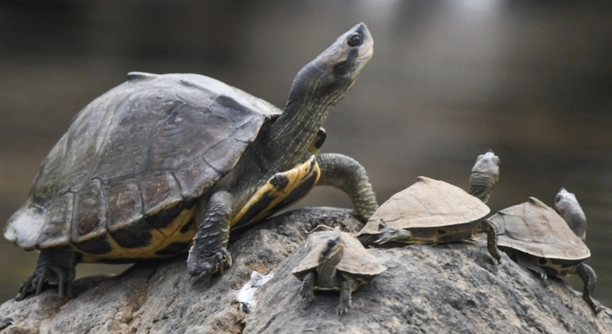
After eating, you may notice your Indian Roofed Tortoise becoming less active. This is a common observation among tortoise owners. It can be concerning if you’re unsure why it happens or how to address it.
The reduced activity after eating is often due to your tortoise’s natural digestion process. They are cold-blooded reptiles, and their metabolism slows down after feeding, leading to a period of rest for digestion to occur properly.
Understanding your tortoise’s digestive patterns can help you recognize when the inactivity is normal and when it may require attention.
The Role of Temperature in Tortoise Activity
Temperature plays a major role in the activity levels of your Indian Roofed Tortoise. These reptiles are ectothermic, meaning they rely on external heat sources to regulate their body temperature. If the environment is too cool, their metabolism slows down, which can cause them to be sluggish, especially after eating. A drop in body temperature after a meal can trigger a period of rest as they focus on digesting the food. In warmer conditions, they are likely to remain more active even after eating. It is important to maintain a suitable temperature range for your tortoise to help it stay active and healthy.
A proper temperature range is essential for their digestion. If it’s too cold, the process will slow down, making them feel lethargic.
Ensure your tortoise’s habitat stays between 75°F and 85°F during the day, with a warmer basking area reaching around 90°F. Providing a warm environment not only supports digestion but also promotes general activity levels. A heat lamp or a suitable heating pad can help maintain the required temperatures. A consistent temperature helps regulate your tortoise’s behavior and overall health. If they are constantly too cold, their metabolism will slow, making them less active and possibly affecting their long-term well-being.
Overfeeding and Digestive Demands
Feeding your tortoise too much can also contribute to inactivity.
When your tortoise eats more than it can properly digest, it becomes sluggish. Overeating puts a strain on their digestive system, causing them to rest longer than usual. The process of breaking down large meals requires more energy and can lead to lethargy.
Stress and Its Impact on Activity Levels
Stress can significantly affect your tortoise’s behavior.
When a tortoise feels stressed, it may become more withdrawn and less active. Factors like noise, sudden changes in the environment, or even being handled too frequently can lead to stress. A stressed tortoise may retreat into its shell more often, even after eating, as it tries to feel safe. Reducing stressful situations in their environment helps them stay calm and active.
Creating a peaceful environment with minimal disturbances is key to reducing stress. If your tortoise feels secure in its habitat, it will naturally be more active after meals. Avoiding loud noises, excessive handling, or overcrowding the space with other pets is essential. Ensure the space is quiet, private, and comfortable for your tortoise, which will encourage normal activity and digestion.
Keeping a routine is another way to reduce stress. Tortoises thrive on consistency, so try to feed them at regular times, maintain stable temperatures, and offer a safe, quiet space for them to rest and digest.
Diet and Its Effect on Digestion
The type of food you provide can affect your tortoise’s post-meal energy.
A well-balanced diet ensures your tortoise has enough energy to remain active after eating. If you feed your tortoise food that is too rich or hard to digest, it might make them feel heavy and sluggish. The key is providing a mix of leafy greens, vegetables, and occasional fruits while avoiding overly fatty or protein-heavy foods. A diet that’s too high in protein can slow digestion and lead to inactivity.
Hydration and Its Role in Activity
Dehydration can cause your tortoise to feel sluggish.
If your tortoise isn’t drinking enough water, it can lead to fatigue and inactivity. This is especially common after meals when the body needs adequate hydration to digest food properly. Make sure to offer fresh water daily, either in a shallow dish or through regular misting.
A lack of proper hydration affects digestion and energy levels. By ensuring your tortoise is well-hydrated, it can stay active and healthy, supporting its normal metabolic functions. Make sure the water is clean, and consider offering water-rich foods like cucumbers or leafy greens to supplement hydration.
Illness and Reduced Activity
Sick tortoises often display lower activity levels.
If your tortoise continues to remain inactive for extended periods, it could indicate an underlying health issue. Signs of illness like swollen eyes, abnormal shell appearance, or lack of appetite should not be ignored. Consult a veterinarian to address any health concerns.
FAQ
Why is my Indian Roofed Tortoise not moving much after eating?
After eating, it is common for your tortoise to be less active. Tortoises are cold-blooded animals, which means their body temperature and metabolism are affected by the surrounding environment. After a meal, they often become less active as their bodies focus on digestion. This is especially true in cooler environments. As long as your tortoise is not displaying other concerning symptoms, this behavior is typically normal and nothing to worry about.
Can the food I feed my tortoise make it more lethargic?
Yes, the food you offer can impact how active your tortoise feels after eating. Overfeeding or giving foods that are too rich in protein or fat can lead to sluggishness. Tortoises do best with a balanced diet that includes plenty of leafy greens and a small amount of fruit. Overeating, especially high-protein foods, can overload their digestive system, making them feel heavy and less energetic.
Is my tortoise’s inactivity related to its age?
Inactivity can sometimes be linked to your tortoise’s age. Younger tortoises tend to be more active, while older tortoises might rest more often. However, inactivity due to age should not be excessive. If an older tortoise is constantly sluggish, it may be a sign of health issues, such as arthritis or other conditions that can affect its movement. Regular checkups with a vet can help monitor aging tortoises’ health.
What are the signs that my tortoise might be sick?
If your tortoise is suddenly inactive for long periods, it may indicate illness. Common signs of sickness in tortoises include loss of appetite, swollen eyes, abnormal shell appearance (such as soft or discolored areas), or unusual discharge from the nose or mouth. If you notice any of these symptoms or if your tortoise’s inactivity lasts longer than usual, it is essential to visit a veterinarian for a proper diagnosis and treatment.
How can I help my tortoise stay active after meals?
Ensuring that your tortoise is in a comfortable and warm environment will help it stay active after meals. Tortoises need a warm basking area with temperatures between 85-90°F. This helps to speed up digestion and keeps them from becoming too sluggish. If your tortoise is not moving much after eating, check the habitat temperature and adjust if necessary. Additionally, providing a balanced diet and ensuring it’s not overeating will also promote better activity levels.
Should I be concerned if my tortoise isn’t eating as much?
A loss of appetite can be concerning, especially if your tortoise is not eating after meals or for extended periods. Tortoises can go off their food due to stress, environmental changes, or illness. If your tortoise refuses food for several days, especially if accompanied by other symptoms like lethargy or abnormal behavior, it is a good idea to seek veterinary help. Monitoring feeding patterns closely can help identify problems early.
What is the best type of food for my tortoise to keep it healthy and active?
To keep your tortoise healthy and active, feed it a variety of leafy greens such as dandelion greens, collard greens, and mustard greens. You can also offer vegetables like carrots and squash, as well as a small amount of fruit such as berries or melons. Avoid foods high in protein, like meat or dairy, as these can lead to digestive issues and sluggishness. A balanced, natural diet will support both their digestion and activity levels.
How can I tell if my tortoise is dehydrated?
Dehydration is a common issue in tortoises and can lead to lethargy and poor digestion. If your tortoise isn’t drinking water, or if its skin appears wrinkled or dry, it might be dehydrated. You may also notice that your tortoise’s eyes appear sunken. Regularly offer fresh water and consider soaking your tortoise in a shallow dish to encourage drinking. Adding water-rich foods like cucumber or watermelon to their diet can also help.
What temperature should my tortoise’s enclosure be?
The ideal temperature for an Indian Roofed Tortoise’s enclosure is between 75°F and 85°F during the day, with a basking area reaching about 90°F. Maintaining this temperature helps your tortoise stay active and supports digestion. If the enclosure is too cool, your tortoise’s metabolism will slow, leading to more frequent rest periods. A heat lamp or heating pad can help maintain the correct temperatures.
Is it normal for my tortoise to sleep a lot?
Tortoises are naturally more active during certain times of the day and may rest more often, especially after meals. However, if your tortoise is excessively sleeping or lethargic outside of typical behavior, this could signal a health issue. If the inactivity is unusual or accompanied by other signs of illness, it’s important to consult a veterinarian.
Final Thoughts
Understanding why your Indian Roofed Tortoise becomes less active after eating is important for ensuring its well-being. In most cases, it is completely normal for your tortoise to rest after a meal, as they need time to digest the food properly. Since tortoises are cold-blooded, their body temperature and energy levels are influenced by the environment. A warm and comfortable habitat helps them digest food more efficiently, which can prevent them from becoming overly sluggish. However, if your tortoise’s inactivity continues for extended periods or is accompanied by other symptoms like lack of appetite or abnormal behavior, it’s essential to investigate further.
Another factor to consider is the food you provide. Offering a balanced diet with the right amount of leafy greens, vegetables, and fruits is crucial to maintaining your tortoise’s health and activity levels. Overfeeding or offering foods that are too rich in protein or fat can cause sluggishness and digestive issues. A proper diet helps keep your tortoise energized and supports its overall well-being. Along with feeding, ensure your tortoise has access to fresh water, as dehydration can also contribute to inactivity. Hydration plays a key role in digestion and overall energy levels, so it’s important to monitor water intake and offer foods with high water content if needed.
Finally, always keep an eye on your tortoise’s behavior and environment. If your tortoise’s inactivity becomes a regular occurrence or seems unusual, it could signal health issues such as stress, illness, or even temperature problems. Regularly check the temperature of the enclosure, as keeping it too cold or too warm can impact their metabolism. By addressing any potential issues early on, you can help ensure your tortoise remains healthy and active. Regular vet check-ups are also a good idea to catch any health problems before they become serious.

Hello,
If you enjoy the content that we create, please consider saying a "Thank You!" by leaving a tip.
Every little bit helps us continue crafting quality advice that supports the health, happiness, and well-being of pets around the world, for pets of all shapes, sizes, and species.
We really appreciate the kindness and support that you show us!