
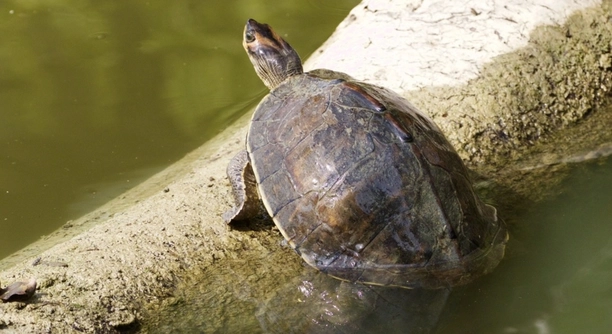
Keeping your Indian roofed tortoise comfortable and healthy requires providing the right tank environment, and one of the most important aspects is maintaining proper heat. Without the right heating options, your tortoise might struggle to thrive.
The best heating options for an Indian roofed tortoise tank include ceramic heat emitters, under-tank heaters, and heat lamps. Each of these provides consistent warmth and ensures the tortoise’s environment stays at an optimal temperature, promoting health and activity.
Understanding the heating methods for your tortoise will help you create a suitable living space. The right heat source can make a big difference in their well-being.
Ceramic Heat Emitters: A Reliable Heat Source
Ceramic heat emitters are a popular heating option for Indian roofed tortoises. These devices provide consistent, gentle heat without emitting visible light, which is important for maintaining a natural day-night cycle. They come in various wattages, making it easy to choose the right one based on your tank size and the needs of your tortoise.
The advantage of ceramic heat emitters is their ability to provide warmth without disturbing the tortoise’s rest. They heat the enclosure evenly, ensuring that there are no cold spots that could cause stress. Many tortoise owners prefer this option because it mimics natural sunlight and supports a consistent, comfortable environment for the animal.
When using ceramic heat emitters, ensure proper placement and ventilation. Positioning the emitter at one end of the tank creates a temperature gradient that allows your tortoise to regulate its body temperature effectively. These devices work best when used alongside a thermostat to avoid overheating, which could stress the tortoise.
Heat Mats: Convenient and Efficient
Heat mats are another effective heating option. They are placed under the tank or beneath the substrate to provide heat from the bottom up. These mats help keep the tortoise warm without drying out the air, which can happen with overhead heat sources.
Using heat mats in combination with a basking light can create an ideal heat distribution in the tank. It is important to choose a mat with adjustable heat settings to ensure your tortoise’s comfort and safety. When placed correctly, heat mats provide a warm, stable environment for your tortoise to rest and explore.
Heat Lamps: A Versatile Option
Heat lamps are a common choice for heating tortoise tanks, providing both heat and light. They offer an easy way to create a basking area where your tortoise can warm up.
Heat lamps come in various wattages and light types, such as incandescent or halogen. These lamps provide a direct heat source, creating a warm spot for your tortoise to bask and regulate its body temperature. It’s important to have a heat lamp that is placed in the right area, ensuring the rest of the tank remains cooler for the tortoise to move between temperature zones.
One downside to heat lamps is that they emit light, which can disrupt the tortoise’s day-night cycle if used at night. To prevent this, opt for a heat lamp with a dimmer or use a ceramic heat emitter during nighttime hours. Using heat lamps effectively requires careful monitoring of the temperature, as overheating can be harmful to your tortoise.
Under-Tank Heaters: Subtle and Efficient
Under-tank heaters are discreet heating options that are placed under the tortoise tank, providing warmth from below. These are ideal for smaller tanks or if you need a more even heat distribution throughout the enclosure.
Under-tank heaters can be very efficient in providing consistent warmth to your tortoise’s habitat without interfering with the natural lighting conditions. However, they may not be suitable for larger tanks, as the heat distribution can be uneven. It’s essential to place the heater in a location where the tortoise can easily access the warmth but can also move to a cooler spot when necessary. Proper placement and use of a thermostat are crucial to avoid overheating. These heaters work best when combined with another heat source, such as a basking lamp, to create a proper temperature gradient.
Thermostats: Ensuring Consistent Heat
Thermostats help regulate the temperature in your tortoise’s tank, ensuring it stays within the ideal range. This prevents overheating and helps maintain a stable environment.
By connecting a thermostat to your heat source, you can avoid sudden temperature fluctuations. This is especially useful when using heat lamps or ceramic heaters. It helps keep your tortoise safe and comfortable by providing consistent heat. Always choose a thermostat that is compatible with your heat source, as they come in different models designed for specific heating devices.
Heat Rocks: Direct Heat Source
Heat rocks are another heating option that provides direct heat to your tortoise. They are often used to create a warm spot where your tortoise can rest comfortably.
It’s important to use heat rocks carefully. Ensure they are not too hot to avoid burns. While they provide targeted heat, they should be used with caution and monitored closely. Overheating or improper placement can be harmful to your tortoise.
FAQ
What temperature should I maintain for my Indian roofed tortoise tank?
For an Indian roofed tortoise, you should aim for a temperature between 75°F to 85°F during the daytime. The basking area should be around 90°F to 95°F, while the cooler side of the tank can be in the range of 75°F to 80°F. At night, the temperature should not drop below 70°F. It’s crucial to provide a temperature gradient so the tortoise can move between warmer and cooler areas as needed.
Can I use a regular light bulb for heating my tortoise tank?
While regular light bulbs can provide some heat, they are not the best option for heating a tortoise tank. They often don’t produce the necessary amount of heat for the tortoise to regulate its body temperature effectively. A specialized heat bulb, like a basking bulb, is designed to give off the right level of heat without compromising the tortoise’s health.
How often should I change the heating equipment?
It’s important to monitor your heating equipment regularly to ensure it’s working properly. Bulbs, ceramic heat emitters, and under-tank heaters can wear out over time. A heat bulb should be replaced every 6 to 12 months, depending on usage. Ceramic heaters last longer but should be replaced if they show signs of damage. Check the functionality of your thermostat regularly to avoid temperature fluctuations.
Is it safe to use a heat lamp 24/7 for my tortoise?
No, it’s not safe to use a heat lamp 24/7 for your tortoise. Tortoises need a natural day-night cycle, so leaving a heat lamp on all night can disrupt this cycle. During nighttime, the temperature can drop slightly, which is fine for your tortoise. Use a ceramic heat emitter if you need heat at night without light disruption.
What is the best heat source for a tortoise tank at night?
A ceramic heat emitter is one of the best options for nighttime heating. Unlike heat lamps, it doesn’t emit light, which helps maintain the natural day-night cycle for your tortoise. It provides a steady and consistent heat source, ensuring your tortoise stays warm during the cooler hours. You can also use an under-tank heater or heat mats in combination with the ceramic emitter.
How can I ensure the temperature is right in my tortoise’s tank?
To ensure the temperature is right, use multiple thermometers to monitor different areas of the tank. Place one near the basking area and another in the cooler zone. Check the temperature at different times of the day to ensure it stays within the ideal range. A thermostat can help regulate the temperature by turning the heater on and off as needed.
Are heat mats effective for larger tanks?
Heat mats are effective for small to medium-sized tanks but may not provide sufficient heat for larger enclosures. In bigger tanks, heat mats can create uneven heat distribution, so they may not reach all areas. For large tanks, it’s best to use a combination of heat sources like a basking light and ceramic heat emitter, along with a heat mat, to ensure proper temperature regulation.
What should I do if my tortoise seems cold or lethargic?
If your tortoise seems cold or lethargic, check the temperature of the tank immediately. If it’s too cold, you may need to adjust your heat source or add an additional one to warm up the tank. A lack of proper heat can cause tortoises to become lethargic or even go into hibernation. Ensure your tank’s temperature gradient is maintained and always monitor it regularly.
Can I use a heating pad designed for pets?
Heating pads designed for pets can be used, but they need to be monitored closely. It’s essential to choose a heating pad that’s suitable for reptiles and has an adjustable temperature. Using a non-adjustable heating pad can lead to overheating or insufficient warmth, which can harm your tortoise. Make sure the pad doesn’t become too hot by using a thermostat.
Is it okay to place my tortoise tank near a window?
Placing a tortoise tank near a window can be risky. While sunlight can help warm the tank during the day, it can also lead to temperature fluctuations. In the morning or late afternoon, the sun might provide some warmth, but it could become too hot during midday, causing overheating. It’s best to place the tank in a controlled area where the temperature can be easily regulated. If your tank is near a window, ensure it doesn’t receive direct sunlight for long periods.
Can I use a heat rock to warm my tortoise?
Heat rocks are sometimes used, but they are not the safest option. They can become too hot in some cases, potentially causing burns or discomfort to your tortoise. If you decide to use a heat rock, make sure it has a built-in temperature regulation mechanism. Always monitor the temperature of the rock to avoid overheating.
How do I set up a proper basking area?
To create a proper basking area, choose a location in the tank where the heat source can provide a focused heat spot. The basking area should be around 90°F to 95°F. You can use a heat lamp or a ceramic emitter, but ensure that the tortoise can move away to a cooler area if it gets too hot. Make the basking spot comfortable by using smooth rocks or a log for your tortoise to climb on.
How do I choose the right heat source for my tank size?
The size of your tank determines the type and number of heat sources you’ll need. For smaller tanks, a single heat lamp or ceramic heater may suffice. For larger tanks, you’ll likely need multiple heat sources to ensure even temperature distribution. Always ensure that the heat source is compatible with the tank size and tortoise species. Consider using a combination of heat lamps, ceramic heat emitters, and under-tank heaters to create a balanced environment.
Final Thoughts
Choosing the right heating options for your Indian roofed tortoise tank is crucial for their health and well-being. Tortoises rely on a warm environment to regulate their body temperature, which is essential for digestion, activity, and overall vitality. With the right setup, your tortoise will be able to thrive in its habitat, feeling comfortable and safe. It’s important to create a temperature gradient in the tank, allowing your tortoise to choose between warm and cooler areas, helping it regulate its body temperature naturally.
When selecting heating equipment, there are various options available, including ceramic heat emitters, heat lamps, and under-tank heaters. Each of these has its pros and cons, depending on your specific needs and tank size. Ceramic heat emitters are often preferred for their consistent warmth and lack of light emission, making them ideal for night heating. Heat lamps provide both light and heat, which is beneficial for daytime basking, but you should avoid using them overnight. Under-tank heaters work well for smaller enclosures and provide bottom-up heat, but they may not be sufficient for larger tanks. Choosing the right combination of these heat sources is key to creating a comfortable environment.
It’s also essential to monitor the temperature in your tortoise’s tank regularly. Use thermometers to check the temperature in different areas of the tank to ensure it remains within the recommended range. A thermostat can help keep the temperature stable and prevent overheating or underheating, both of which can stress your tortoise. Pay attention to the behavior of your tortoise as well; if it seems lethargic or avoids certain areas of the tank, it could be a sign that the temperature is not ideal. With proper care and attention to detail, your Indian roofed tortoise will have a happy and healthy life in its tank.

Hello,
If you enjoy the content that we create, please consider saying a "Thank You!" by leaving a tip.
Every little bit helps us continue crafting quality advice that supports the health, happiness, and well-being of pets around the world, for pets of all shapes, sizes, and species.
We really appreciate the kindness and support that you show us!