
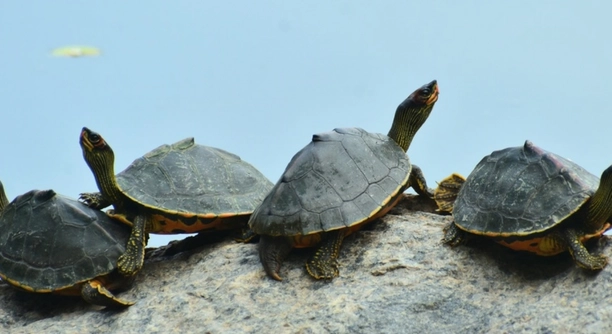
Some pet owners notice their Indian Roofed Tortoise sticking its head in the sand, which can be puzzling. Understanding this behavior can help you provide better care and ensure your tortoise remains healthy and comfortable.
This behavior often indicates that the tortoise feels stressed, unwell, or is seeking shelter. It may also be a sign of natural instincts at play, such as burrowing or seeking a cool, quiet place for rest.
By learning more about the reasons behind this behavior, you’ll be able to support your tortoise’s well-being and create a more suitable environment for it to thrive in.
Understanding the Behavior of Your Indian Roofed Tortoise
Indian Roofed Tortoises have unique ways of expressing themselves, and one of their more unusual behaviors is sticking their head in the sand. This action is typically instinctual, and while it may seem odd, it often serves an important purpose. In the wild, tortoises will burrow to protect themselves from predators, regulate their temperature, or simply to rest. In captivity, this behavior can indicate that your tortoise feels the need to hide or find comfort. However, it’s essential to remember that not all burrowing is related to stress. Sometimes, it’s just their way of making their environment feel more secure.
Many tortoises will dig or hide when they feel threatened or need privacy. However, it’s also normal for them to burrow when they’re feeling too hot or cold. Your pet might seek the sand as a way to cool off or regulate its body temperature. If your enclosure doesn’t provide adequate hiding spots or temperature control, your tortoise might look for an alternative, such as digging in the sand.
Providing your tortoise with a proper habitat is key to preventing stress and encouraging natural behavior. Make sure it has access to a warm, dry area for basking, as well as cooler spots for when it needs to cool down. Additionally, having hiding spots or some kind of shelter in its enclosure can help reduce its need to dig excessively. Adjusting the temperature and humidity levels will also play a role in helping your tortoise feel more comfortable and safe.
Factors That Could Be Contributing to Sand Burrowing
Your tortoise might be seeking shelter due to a range of factors. These can include too much handling, an uncomfortable environment, or even a lack of proper lighting.
A proper habitat is vital for your tortoise’s well-being. The lighting should mimic the natural environment by offering both UVB and heat sources. If it’s too dark or too bright, your tortoise may feel anxious and act out by hiding in the sand. Another factor could be inadequate humidity, as tortoises tend to thrive in environments with a certain moisture level. Too little or too much can cause stress, leading to burrowing behavior. Providing a balanced setup can help your tortoise feel more at ease, allowing it to express natural instincts without resorting to excessive hiding.
Temperature and Humidity Concerns
Temperature plays a significant role in your tortoise’s behavior. If the environment is too hot or too cold, it may cause your tortoise to bury itself in the sand for comfort.
Tortoises need a specific temperature range to thrive. If the enclosure is too warm, they might burrow to escape the heat. Similarly, if it’s too cold, they might seek a warmer spot in the sand to help regulate their body temperature. Maintaining a proper gradient with both warm and cooler areas will allow your tortoise to choose where it feels most comfortable. Sand can act as an insulator, providing a space for them to find that balance.
Humidity is just as important for your tortoise’s health. If the air is too dry or too damp, it can stress your tortoise, causing it to hide or burrow. Proper humidity levels can help your tortoise regulate its hydration and skin health. Using a hygrometer can help track the moisture in the environment, ensuring it remains within an ideal range for your pet.
Stress and Anxiety Triggers
Tortoises can be very sensitive to changes in their surroundings, and stress can lead to behaviors like burrowing.
Changes in their routine or environment can trigger anxiety. Whether it’s a sudden shift in the temperature, new objects in their enclosure, or too much handling, these things can lead to stress. When a tortoise feels threatened or uneasy, it might seek out a hiding place like sand to feel more secure. Constant noise, a crowded living space, or interactions from other pets could also contribute to anxiety. Creating a calm, quiet environment with plenty of hiding spots can alleviate some of this stress.
Even slight changes in the enclosure, such as new bedding or the introduction of new lighting, could be enough to unsettle your tortoise. Ensuring that its living space remains consistent and predictable helps minimize anxiety. Tortoises are creatures of habit, and stability is important for their sense of security. Make sure to observe your tortoise’s behavior and make necessary adjustments to avoid further stress.
Inadequate Space for Your Tortoise
Tortoises need enough space to move around freely. If their enclosure is too small, they may feel confined and bury themselves to escape the discomfort.
If your tortoise’s home is cramped, it may try to hide in the sand to create its own space. A larger enclosure gives it more freedom to roam and explore, reducing the likelihood of stress. Ensure that the enclosure is spacious enough for the tortoise to exercise and enjoy its natural behaviors, such as digging and hiding, without feeling restricted.
Proper Diet and Nutrition
A poor diet can lead to various health problems for your tortoise, including abnormal behaviors like excessive hiding.
Make sure your tortoise has a balanced diet rich in leafy greens, fiber, and calcium. A lack of essential nutrients can affect its energy levels and mood, causing it to act differently. If a tortoise feels unwell from poor nutrition, it may retreat to the sand to hide, which could be a sign that it’s not feeling its best. Ensure a well-rounded diet to help maintain overall health and normal behavior.
Boredom and Lack of Enrichment
Tortoises need mental stimulation to stay happy and healthy. Without adequate enrichment, they may resort to repetitive behaviors like burrowing.
If your tortoise spends too much time in a plain, featureless enclosure, it may become bored and start acting out. Adding different elements, such as plants, rocks, or logs, can encourage natural behaviors and keep your tortoise entertained. Tortoises are curious creatures that enjoy exploring their surroundings, and a lack of variety could lead to the excessive digging or head-sticking in sand. Ensure the enclosure offers enough variety to keep your pet active and engaged.
FAQ
Why does my tortoise keep burying its head in the sand?
There could be several reasons your tortoise is burying its head in the sand. Often, this behavior is a way for it to hide or regulate its temperature. If it feels too hot or too cold, it might try to find a comfortable spot in the sand. It’s also common for tortoises to dig or bury themselves as part of their natural instinct to seek shelter or safety. However, it can also indicate stress, illness, or discomfort. If the behavior becomes frequent or extreme, it’s important to check the enclosure’s temperature, humidity, and overall setup to ensure it’s suitable for your tortoise’s needs.
Is it normal for my tortoise to bury itself in the sand?
Yes, it is normal for tortoises to bury themselves in the sand, especially when they’re feeling the need for shelter, warmth, or cooler surroundings. In the wild, tortoises dig burrows to escape predators or regulate their body temperature. In captivity, they may do the same to feel secure or avoid harsh environmental conditions. However, if your tortoise is burying itself excessively or seems lethargic, it’s a good idea to observe its behavior closely to rule out any health issues.
Can stress cause my tortoise to bury its head in the sand?
Yes, stress can cause tortoises to bury themselves. Stress may stem from sudden changes in their environment, such as new objects in the enclosure, excessive noise, or too much handling. Even temperature changes or lighting issues can be stressful for your tortoise. When stressed, it may seek comfort by burrowing into the sand or hiding in a corner. Ensuring your tortoise has a calm, stable environment with consistent temperature, lighting, and a safe space to hide will help reduce stress and prevent this behavior.
How can I tell if my tortoise is sick when it’s burying itself in the sand?
If your tortoise is burying itself more than usual and seems lethargic, it could be a sign of illness. Signs of sickness include a lack of appetite, unusual breathing, or a lack of energy. If your tortoise stays buried for extended periods, is not eating, or is showing other signs of illness such as wheezing or discharge from its eyes or nose, it’s best to consult a veterinarian. A proper diagnosis is key to ensuring your tortoise gets the right treatment.
What temperature and humidity should my tortoise’s enclosure have?
Tortoises need a specific temperature range to stay healthy. The warm side of the enclosure should be around 85-95°F (29-35°C), while the cooler side should be around 70-80°F (21-27°C). This allows the tortoise to regulate its body temperature. Humidity should be maintained between 40-60%, depending on the species. If the enclosure is too hot or too cold, your tortoise may seek the sand to escape uncomfortable conditions. Use a thermometer and hygrometer to monitor these conditions and ensure they’re within the proper range for your tortoise’s species.
How can I reduce my tortoise’s stress?
To reduce stress in your tortoise, create a stable, calm environment. Avoid excessive handling, loud noises, or sudden changes in their enclosure. Make sure they have plenty of hiding spots, such as rocks or logs, where they can feel safe. Keep the enclosure temperature and humidity consistent, and ensure they have enough space to roam. If your tortoise is stressed due to a lack of enrichment, consider adding plants, climbing structures, or new items for it to explore. A well-balanced environment with enough space, comfort, and security can significantly reduce stress.
Is my tortoise’s digging behavior a sign of boredom?
Yes, digging can be a sign of boredom. If your tortoise has little to do in its enclosure, it may resort to digging or burrowing out of frustration. Tortoises are naturally curious and need stimulation to stay healthy and happy. Providing enrichment, like safe plants, new objects to explore, or different textures in the substrate, can help prevent boredom. Regular interaction with your tortoise can also provide mental stimulation and help alleviate the desire to dig excessively.
What should I do if my tortoise keeps burying itself for days?
If your tortoise is consistently burying itself for days, it may be a sign of discomfort or illness. Check the temperature, humidity, and overall conditions in its enclosure. Make sure it has a variety of hiding spots and enough space to move around. If the behavior persists or is accompanied by other signs of illness, like a lack of appetite or unusual behavior, it’s best to consult a vet. Long periods of hiding could also be a sign that the environment isn’t suited to your tortoise’s needs, so make any necessary adjustments.
How can I provide a better environment for my tortoise to prevent excessive burrowing?
To prevent excessive burrowing, ensure your tortoise has a well-maintained habitat with the right balance of temperature, humidity, and space. Provide both warm and cool areas within the enclosure so your tortoise can regulate its body temperature. Adding natural hiding spots, like logs or rocks, will give your tortoise a sense of security without the need to burrow too much. Additionally, creating a varied environment with plants, different textures, and climbing areas can keep your tortoise mentally stimulated and less likely to feel the need to hide.
What types of food should I give my tortoise to help reduce stress and improve its behavior?
A balanced diet is key to your tortoise’s overall well-being. Offer a variety of leafy greens like kale, dandelion greens, and mustard greens, as well as other vegetables like carrots and squash. High-fiber foods are important for digestive health, and calcium is essential for strong shells. A lack of proper nutrition can lead to stress or behavioral changes, such as burrowing. Make sure your tortoise has access to a well-rounded diet, and avoid overfeeding high-protein foods, which can cause health issues.
Final Thoughts
Understanding why your Indian Roofed Tortoise buries its head in the sand is important for providing the best care. While this behavior is often instinctual, it can also be linked to factors like temperature, stress, or boredom. When your tortoise buries itself, it’s usually trying to find comfort, shelter, or regulate its body temperature. If you observe this behavior, check its environment to ensure it has the right temperature and humidity. The proper setup can help your tortoise feel secure, allowing it to thrive without needing to bury itself excessively.
Providing your tortoise with enough space to roam and explore is also crucial. A cramped enclosure can lead to stress, which may result in behaviors like burrowing. Tortoises are curious creatures that need room to move around, dig, and hide in natural ways. Adding hiding spots and enriching the environment with safe plants or structures will help reduce the chances of excessive digging. Additionally, monitoring your tortoise’s diet is key. A balanced diet with the right nutrients can prevent health problems that may contribute to unusual behaviors like hiding.
Overall, paying attention to your tortoise’s physical environment, diet, and emotional needs will help reduce the likelihood of stress-related behaviors, including head burying. Regularly monitor the temperature and humidity, offer enrichment, and provide a healthy diet. If the behavior continues or seems extreme, a check-up with a veterinarian can rule out any potential health issues. By understanding your tortoise’s needs and adjusting its care accordingly, you can ensure it lives a happy, healthy life.

Hello,
If you enjoy the content that we create, please consider saying a "Thank You!" by leaving a tip.
Every little bit helps us continue crafting quality advice that supports the health, happiness, and well-being of pets around the world, for pets of all shapes, sizes, and species.
We really appreciate the kindness and support that you show us!