
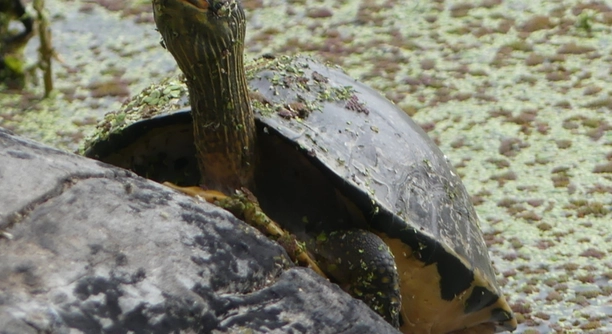
Moving to a new environment can be stressful, not just for people, but for pets too. This includes the Indian Roofed Tortoise, who may experience anxiety when relocated to a different space. It’s important to address their needs carefully.
To reduce stress in a recently moved Indian Roofed Tortoise, provide a quiet, familiar space with appropriate lighting, temperature, and hiding spots. Gradually introduce them to their new surroundings, allowing them time to adjust. Consistency and patience are key.
By focusing on these simple but effective strategies, you can help your tortoise feel more comfortable in its new home. With the right care, their stress can be significantly reduced over time.
Create a Calm Environment
When moving your Indian Roofed Tortoise, the first thing to focus on is its environment. A calm and quiet space will help reduce their stress levels. Tortoises are naturally shy and will feel more comfortable in a familiar and safe setting. If the area is too loud or busy, it might make them feel anxious.
Set up a designated area with good lighting, a comfortable temperature, and minimal distractions. Ensure the enclosure has enough space for the tortoise to move around, but not too much to overwhelm it. It’s crucial to provide hiding spots like small caves or shelters where your tortoise can retreat if it feels stressed.
Taking these simple steps will give your tortoise the peace it needs to adapt to its new home. They tend to thrive in stable environments, so avoiding sudden changes and keeping things consistent will help them feel safe and secure over time.
Proper Temperature and Humidity
Tortoises require a proper temperature and humidity balance to stay healthy. Ensure the enclosure’s temperature is consistent and suitable for your species. The Indian Roofed Tortoise enjoys moderate warmth, with a basking area ranging between 85 to 90°F.
Humidity is another factor to consider. Too much or too little humidity can stress the tortoise and affect its health. Keeping humidity levels around 60 to 70% is ideal. Use a humidity gauge to monitor the levels, and adjust as needed with misting or using a humidifier. Proper temperature and humidity help your tortoise stay comfortable and prevent health issues, ensuring its new space feels more like home.
Offer Hiding Spots
Providing hiding spots in the enclosure can greatly reduce stress. Tortoises feel safer when they have places to retreat to, especially in new surroundings. Adding small caves, rocks, or even artificial plants helps them feel more secure. These hiding areas mimic their natural environment, offering a sense of privacy.
A good hiding spot can help the tortoise feel less exposed and vulnerable. It’s important to place these spots where the tortoise can easily access them, and where they can still enjoy their surroundings but have the option to retreat when needed. Having several options will give the tortoise a choice of where to go for comfort.
If your tortoise feels secure, it’s more likely to explore and be less stressed. It can move at its own pace and doesn’t feel the need to hide all the time. This reduces overall anxiety and helps it adjust faster to its new home.
Maintain a Regular Feeding Schedule
A consistent feeding schedule is key for reducing stress in a tortoise. When moved to a new place, a routine will help it feel more settled. If feeding times are unpredictable, it may cause confusion or anxiety. Stick to regular feeding hours and provide a balanced diet.
A set routine brings comfort and predictability to your tortoise. It knows when to expect food, which can calm any stress. Offering the right types of food, like leafy greens and occasional fruits, ensures the tortoise stays healthy and happy. Avoid overfeeding or underfeeding, as both can cause distress.
Routine is a comfort for animals, and for your tortoise, it creates structure. Consistent meal times will allow it to focus on adapting to its environment, knowing that its basic needs are met. Over time, this helps your tortoise feel secure in its new space.
Limit Handling and Interaction
Tortoises, especially when they are settling into a new environment, can become stressed if handled too much. Limit physical interaction to avoid overwhelming them. Give them time to adjust before introducing any regular handling. It’s important to observe their behavior and let them approach you on their own.
If you need to move your tortoise, always do so gently and with care. Handling should be kept to a minimum until it shows signs of comfort with its surroundings. When the tortoise begins to feel more secure, it will be more receptive to your presence and interaction.
Light and Natural Day-Night Cycle
Maintaining a natural light cycle helps to regulate your tortoise’s internal clock. Exposure to natural sunlight, or a UVB light, is important for their health and well-being. It helps them maintain their circadian rhythm, which influences their behavior, sleep patterns, and overall health.
Be sure to provide 12-14 hours of light during the day and 10-12 hours of darkness at night. This regular cycle helps the tortoise adjust to its new environment. Simulating natural day-night cycles is essential for reducing stress and making the tortoise feel more at ease.
Provide Proper Substrate
The type of substrate used in the enclosure plays a role in your tortoise’s comfort. Use substrates that mimic their natural habitat, such as coconut coir or soil. Avoid using cedar or pine, as they can release harmful oils and chemicals that may stress the tortoise.
A proper substrate allows your tortoise to dig, burrow, and feel grounded. It also helps maintain appropriate humidity levels in the enclosure. Make sure the substrate is clean, dry, and not too deep to avoid accidental injury. A well-chosen substrate makes a big difference in reducing stress and keeping the tortoise happy.
FAQ
How can I tell if my tortoise is stressed after moving?
Signs of stress in a tortoise can include a lack of appetite, hiding more than usual, or becoming lethargic. If your tortoise is not eating or drinking, it could indicate that it is feeling uncomfortable in its new surroundings. They may also retreat into their shell frequently or appear to be pacing within their enclosure. Monitoring their behavior for these signs can help you know when your tortoise is stressed and needs more time or adjustments in its environment.
What temperature should I keep my tortoise’s enclosure at?
The ideal temperature for an Indian Roofed Tortoise is between 85°F and 90°F during the day, with a cooler area around 75°F. It’s important to maintain a basking spot where the tortoise can warm up, while the rest of the enclosure should be cooler for them to retreat to. At night, temperatures should drop to around 70°F to mimic natural conditions. Use a reliable thermometer to monitor these temperatures consistently.
How often should I feed my tortoise?
You should feed your tortoise once a day or every other day, depending on its age and activity level. Young tortoises tend to eat more frequently, while adults might be fine with less. Always provide fresh greens, such as lettuce, dandelion greens, and kale, and supplement with occasional fruit. Avoid feeding them too many high-protein foods, as this can lead to health problems. Keep a regular feeding schedule to create stability for your tortoise.
Should I give my tortoise a bath?
Giving your tortoise a bath can help with hydration, especially if it is not drinking enough water on its own. A gentle soak in lukewarm water for about 10 to 15 minutes can encourage your tortoise to drink and help prevent dehydration. Make sure the water level is shallow, just enough for the tortoise to walk in. This is especially important after moving to a new home, as the stress may affect its hydration.
Is it okay to let my tortoise roam outside?
Yes, if the weather is appropriate, you can let your tortoise roam outside. However, you should always supervise them closely. Ensure that the area is safe and free from predators, and that the ground temperature is suitable for their needs. Avoid letting them roam on hot surfaces like concrete or asphalt, as this can burn their sensitive feet. Outdoor time can help your tortoise enjoy natural sunlight and explore different textures, but it’s important to monitor them closely.
How can I make my tortoise’s enclosure more comfortable?
To make your tortoise feel more comfortable, you should focus on creating an environment that resembles its natural habitat. Provide plenty of hiding spots, soft substrates like coconut coir or soil, and offer different areas of temperature. Ensure the enclosure is large enough for the tortoise to move around freely but not too large that it feels overwhelmed. Proper lighting is also essential for their well-being. You can add decorations, such as rocks or plants, to make the space feel more natural and secure.
Can my tortoise become sick from stress?
Yes, stress can lead to health problems in tortoises. When stressed, a tortoise’s immune system may weaken, making it more vulnerable to infections and illnesses. Additionally, stress can affect their eating and drinking habits, leading to dehydration and malnutrition. It’s important to create a calm, stable environment for your tortoise and limit any factors that could contribute to their stress. If your tortoise shows signs of illness, it’s important to seek advice from a vet familiar with reptiles.
What should I do if my tortoise is not eating after moving?
If your tortoise refuses to eat after being moved, it could be due to the stress of the move or an issue with its environment. First, make sure the enclosure’s temperature and humidity are correct. Sometimes, moving a tortoise can upset their eating routine, so give them time to adjust. Offer different types of food to entice them, but avoid forcing them to eat. If the refusal to eat continues for several days, consider consulting a vet to ensure there are no underlying health issues.
Can I keep multiple tortoises in one enclosure?
It’s generally not recommended to house multiple tortoises in the same enclosure unless they are of similar size and temperament. Tortoises are solitary creatures, and keeping multiple together can lead to territorial disputes, especially if the enclosure is too small. If you decide to keep more than one, ensure the space is large enough to allow each tortoise to establish its own territory, and provide plenty of hiding spots. Monitor them closely for any signs of aggression or stress.
How can I help my tortoise adjust to its new home faster?
Giving your tortoise time and space to adjust is key to reducing stress. Provide a calm, stable environment with the proper temperature, humidity, and hiding spots. Keep handling to a minimum and allow your tortoise to explore its new home at its own pace. Consistent feeding and maintaining a regular light cycle will also help them settle in. Patience is important during the adjustment period, as tortoises need time to feel secure in their new environment.
What is the best substrate for an Indian Roofed Tortoise?
For an Indian Roofed Tortoise, a natural substrate like coconut coir, soil, or a mixture of both is ideal. These materials allow the tortoise to dig, which is an instinctive behavior. Avoid using substrates like sand, gravel, or cedar shavings, as they can cause health problems. The substrate should also be deep enough to allow for digging but not too deep that the tortoise could get stuck. Keep the substrate clean and dry to prevent mold and bacteria growth.
Final Thoughts
Caring for a recently moved Indian Roofed Tortoise requires a bit of patience and attention. Their stress can often come from the new environment, changes in temperature, or even the way they are handled. The key is to provide them with a stable and comfortable habitat that mimics their natural surroundings as much as possible. This will help them feel more secure and encourage them to adapt more quickly to their new home.
Paying attention to the basics, like keeping the temperature consistent, offering hiding spots, and creating a regular feeding routine, can make a big difference in reducing stress. Allowing the tortoise time to adjust without forcing interactions will help it feel more comfortable. Avoid handling it too much in the first few weeks after the move, as this can contribute to anxiety. Instead, focus on providing a calm and predictable environment where it can take its time to get used to its new space.
Remember that every tortoise is different, and some may take longer to adjust than others. Keep a close eye on their behavior and health, and don’t hesitate to consult a vet if you notice signs of ongoing stress or illness. With the right care, your tortoise will eventually settle in and begin to thrive in its new environment. The process might take some time, but with patience, you can help your Indian Roofed Tortoise live a happy, healthy life in its new home.

Hello,
If you enjoy the content that we create, please consider saying a "Thank You!" by leaving a tip.
Every little bit helps us continue crafting quality advice that supports the health, happiness, and well-being of pets around the world, for pets of all shapes, sizes, and species.
We really appreciate the kindness and support that you show us!