
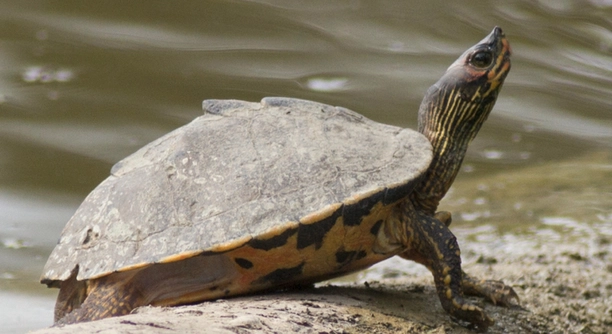
If you’re a proud owner of an Indian Roofed Tortoise, you might have wondered how to spot signs of a bacterial infection in your pet. Understanding these signs is essential for their health and well-being.
Bacterial infections in Indian Roofed Tortoises can often be identified through symptoms like swelling, discharge from the eyes or nose, and lethargy. Prompt detection and veterinary care are crucial to prevent further health complications.
Learning to recognize early signs of infection can make a huge difference in your tortoise’s health. Keep reading to find out what to look for and how to manage these issues effectively.
Common Signs of a Bacterial Infection in Indian Roofed Tortoises
Bacterial infections in Indian Roofed Tortoises can be tricky to spot, but there are a few clear signs that indicate something is wrong. If you notice that your tortoise is unusually slow or refuses to eat, this may be an early symptom. Swelling around the eyes or nose is also a red flag. Infected tortoises often experience discharge, either from their eyes, nose, or mouth. If left untreated, these infections can become more severe, affecting the tortoise’s breathing and overall health. Any changes in behavior, such as hiding more than usual or showing signs of discomfort when touched, should also be closely monitored.
These signs can range from mild to severe and should not be ignored. Regular observation of your tortoise’s habits and appearance is essential. If you see any of these signs, it’s crucial to consult a veterinarian as soon as possible.
Monitoring your tortoise regularly can help you detect health issues early. A quick response can prevent infections from worsening and protect your pet’s long-term health. Keep an eye on unusual behavior and physical changes. Early action is key.
How to Treat Bacterial Infections in Tortoises
Once you recognize the signs of infection, prompt treatment is necessary. A veterinarian will typically diagnose the infection through a physical examination and may perform tests like blood work or a culture to determine the type of bacteria causing the issue. The most common treatments for bacterial infections include antibiotics, either topical or oral, depending on the severity.
Along with antibiotics, you may need to provide a clean and controlled environment for your tortoise, ensuring the habitat is free from bacteria and other pathogens. Proper hydration and nutrition also play a significant role in supporting your tortoise’s immune system during treatment. Follow the vet’s instructions carefully when administering medication to ensure your tortoise receives the proper care.
In some cases, a tortoise may need to be kept in quarantine to prevent the infection from spreading to other pets. Regularly cleaning the tank, removing waste, and keeping the temperature and humidity levels stable can help prevent reinfection. Keeping an eye on your tortoise’s progress is vital; if symptoms persist or worsen, it’s important to contact your vet again for further treatment.
Preventing Bacterial Infections in Indian Roofed Tortoises
Keeping your tortoise’s environment clean is one of the best ways to prevent bacterial infections. Regularly disinfect the enclosure and remove any waste promptly. Ensure that the bedding is dry and free from mold or bacteria. Additionally, maintaining proper humidity and temperature levels is crucial for your tortoise’s immune health.
It’s important to provide your tortoise with fresh, clean water daily. Contaminated water can introduce harmful bacteria, so always ensure the water bowl is cleaned regularly. Avoid overcrowding in enclosures, as this can lead to stress and a weakened immune system. A stress-free environment helps your tortoise stay strong and resistant to infections.
Feeding a balanced diet with proper vitamins and minerals is another way to support your tortoise’s immune system. Vitamin A, in particular, is essential for healthy skin and immune function. Ensure your tortoise is eating a variety of leafy greens, and consider adding supplements as recommended by your veterinarian. Proper diet and care can help prevent many health issues, including bacterial infections.
When to Seek Veterinary Help
If you notice any signs of illness or changes in behavior, it’s important to seek veterinary care. Early treatment is often key to recovery. A vet can properly diagnose the issue and offer the correct treatment plan. Don’t hesitate if you notice your tortoise seems lethargic, refuses food, or shows discharge from the eyes or nose. These signs should never be ignored.
Delaying treatment can lead to serious health complications for your tortoise. While bacterial infections can often be treated successfully, untreated infections can lead to long-term damage or even death. If your tortoise’s condition worsens despite home care, a vet visit is essential. The earlier you act, the better the chances of a full recovery.
Veterinary professionals can provide valuable advice on how to care for your tortoise during recovery. They may also guide you on preventing future infections and provide tips on maintaining a healthy habitat. Getting expert help ensures your tortoise has the best chance at returning to good health.
Importance of Proper Habitat for Tortoises
The right habitat is essential for preventing bacterial infections. Ensure the enclosure is spacious, clean, and has appropriate heating and lighting. A proper environment helps your tortoise thrive and strengthens its immune system, making it less susceptible to infections.
Good ventilation is key. Ensure the tank is well-ventilated to avoid moisture buildup, which can promote bacterial growth. By maintaining the correct humidity and temperature, you are supporting your tortoise’s health and helping it fight off potential infections naturally.
Hygiene and Diet Impact on Health
Maintaining excellent hygiene goes beyond cleaning the enclosure. Always wash your hands before and after handling your tortoise to avoid transferring bacteria. Keeping their food and water containers clean prevents contamination.
A healthy diet filled with variety is also crucial. Leafy greens, fresh vegetables, and occasional fruits should be the staple. Avoid feeding your tortoise processed foods that may lack nutrients. The right diet, paired with cleanliness, ensures your tortoise stays strong and resilient against infections.
Handling Your Tortoise Safely
Always handle your tortoise gently to avoid stress or injury. Stress weakens the immune system and makes your tortoise more vulnerable to infections. Keep handling minimal, especially if your tortoise seems unwell. Let it adjust to its environment without disturbance.
FAQ
What causes bacterial infections in Indian Roofed Tortoises?
Bacterial infections in Indian Roofed Tortoises can result from poor water quality, an unclean habitat, or stress. If your tortoise is housed in a damp, dirty environment, bacteria can easily thrive. Poor diet and insufficient vitamin intake can also make your tortoise more susceptible to infections. Infections are more likely to develop when your tortoise’s immune system is weakened, either by environmental stressors or an unhealthy diet.
How can I tell if my tortoise has a bacterial infection?
Look for symptoms like swollen eyes, nasal discharge, or lethargy. If your tortoise is eating less or becomes more withdrawn, it could be a sign of infection. Other signs include abnormal breathing, difficulty opening the eyes, or changes in the texture of the shell. A clear indication that your tortoise is sick is when it exhibits unusual behavior and refuses food or water.
What should I do if I think my tortoise has an infection?
If you suspect a bacterial infection, take your tortoise to a veterinarian as soon as possible. Avoid trying to treat the infection yourself with over-the-counter medications. The vet will diagnose the infection and recommend an appropriate course of treatment, which may include antibiotics or other medications. Do not delay in seeking help, as untreated infections can lead to more serious health problems.
Can I prevent bacterial infections in my tortoise?
Yes, prevention is key. Make sure to maintain a clean, dry habitat with proper ventilation. Regularly clean the tank, remove waste, and replace any soiled bedding. Ensure your tortoise’s water is changed frequently and kept clean. Keeping the enclosure at the right humidity and temperature levels also helps strengthen your tortoise’s immune system, preventing bacterial growth. A balanced diet full of essential vitamins will also help your tortoise stay healthy.
How do I clean my tortoise’s enclosure properly?
Clean your tortoise’s habitat at least once a week. Remove any uneaten food, waste, and soiled bedding. Wash the tank and any decorations with warm water and mild soap, ensuring you rinse everything thoroughly to remove soap residues. It’s a good idea to disinfect the enclosure monthly using a reptile-safe cleaner to prevent the buildup of harmful bacteria. Ensure the habitat is completely dry before putting your tortoise back in.
How can I tell if my tortoise’s diet is healthy?
A healthy diet for an Indian Roofed Tortoise should be made up of a variety of leafy greens like collard greens, mustard greens, and dandelion leaves. Offer occasional fruits like berries or melon but limit their intake due to sugar content. A proper diet also includes high-fiber vegetables like squash, carrots, and bell peppers. Avoid feeding them high-protein foods or commercial pellets designed for other animals. If your tortoise is eating regularly, maintaining a healthy weight, and its shell looks smooth, it’s likely receiving proper nutrition.
Is there a specific way to handle a sick tortoise?
When handling a sick tortoise, be gentle and minimize stress. Avoid frequent handling, as this can cause additional stress and worsen the condition. If you need to move your tortoise, do so carefully and slowly. Always wash your hands after handling, especially if you’re tending to an ill tortoise, as bacteria can transfer easily. Keep the environment as calm as possible to help your tortoise recover.
Can bacterial infections be contagious to other pets?
Yes, bacterial infections can sometimes spread to other reptiles if they are housed in the same environment. To avoid cross-contamination, isolate any sick tortoises in a separate, clean enclosure. It’s essential to clean your hands and disinfect any surfaces or items that come into contact with an infected tortoise. If you have other reptiles, keep them in a separate area to reduce the risk of infection.
What are the long-term effects of untreated bacterial infections in tortoises?
Untreated bacterial infections can lead to severe complications, such as respiratory issues, abscesses, or shell rot. In some cases, chronic infections can damage internal organs, leading to long-term health problems. In severe cases, untreated bacterial infections can be fatal. Early detection and treatment are essential to avoid these risks.
Can a tortoise recover fully from a bacterial infection?
With prompt and proper treatment, most tortoises can recover fully from bacterial infections. Antibiotics and a clean, well-maintained environment play a significant role in the recovery process. However, the recovery time will depend on the severity of the infection and the tortoise’s overall health. Regular monitoring after treatment is important to ensure there are no lingering effects. If symptoms persist, it’s essential to follow up with your vet.
Final Thoughts
Taking care of an Indian Roofed Tortoise requires attention to detail and understanding of its needs. Bacterial infections are one of the many health challenges that can affect your pet, but they are manageable when detected early. Monitoring your tortoise’s behavior and physical appearance regularly is the first step in catching an infection before it becomes too serious. If you notice any unusual changes, such as lethargy, swelling, or discharge, it’s important to seek veterinary care as soon as possible. Early treatment can make all the difference in ensuring a quick recovery.
Prevention is just as important as treatment. By providing a clean, dry, and well-maintained environment, you can significantly reduce the chances of bacterial infections. Regularly disinfecting the tank, keeping the water fresh, and providing proper lighting and humidity are all key factors in maintaining a healthy habitat. Additionally, a balanced diet filled with leafy greens, vegetables, and occasional fruits will strengthen your tortoise’s immune system, helping it fight off potential infections. Remember, a healthy tortoise is a happy tortoise, and a healthy environment is crucial for that.
Lastly, while bacterial infections can be concerning, they are not the end of the road. With proper care and attention, most tortoises can recover and live a long, healthy life. Your role as an owner is to stay vigilant, keep their environment clean, and ensure they have a proper diet. By doing so, you will reduce the risk of infections and give your tortoise the best chance at a happy, disease-free life. Always consult with a vet if you’re unsure about your tortoise’s health or behavior, and never hesitate to get professional help when needed.

Hello,
If you enjoy the content that we create, please consider saying a "Thank You!" by leaving a tip.
Every little bit helps us continue crafting quality advice that supports the health, happiness, and well-being of pets around the world, for pets of all shapes, sizes, and species.
We really appreciate the kindness and support that you show us!