
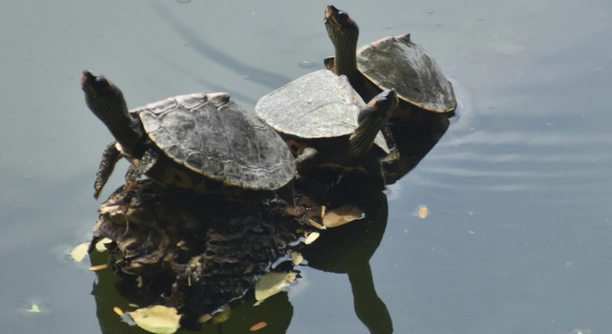
Maintaining a healthy diet for your Indian Roofed Tortoise is essential for its well-being. Like other reptiles, they require a balanced and varied diet to thrive, and sometimes it’s tricky to identify deficiencies.
To identify a deficiency in an Indian Roofed Tortoise’s diet, closely observe its behavior, physical condition, and eating habits. Common signs include lack of appetite, lethargy, or shell problems. A poor diet can lead to growth issues and health complications.
Addressing these concerns early can help your tortoise recover and live a healthier life. Knowing the signs of deficiencies is key to making informed changes to its diet.
Recognizing the Signs of Diet Deficiency
When an Indian Roofed Tortoise is not getting the proper nutrients, it can show clear signs that something isn’t right. You may notice that your tortoise is less active than usual, has a poor appetite, or even starts losing weight. Sometimes, the shell may appear soft, deformed, or show signs of scarring. These are common indicators that your tortoise’s diet is lacking in essential nutrients. If you observe any of these signs, it’s time to assess their feeding habits and make changes.
It’s crucial to pay attention to these signs early on. Adjusting their diet promptly can prevent more serious issues from developing. Look for changes in your tortoise’s behavior and appearance as a starting point to identify potential dietary problems.
A proper diet for an Indian Roofed Tortoise should consist of leafy greens, grasses, and occasional fruits or vegetables. Calcium is especially important for strong shells, and without it, your tortoise can suffer. If you notice signs like a soft shell, it’s likely a calcium deficiency. Similarly, other vitamins and minerals are necessary to keep your tortoise active and healthy.
The Role of Calcium in Tortoise Health
Calcium is an essential nutrient that every tortoise needs to maintain a strong, healthy shell. Without enough calcium, their shell can become soft and fragile, which puts them at risk for injury or even permanent damage. In addition to maintaining shell health, calcium also plays a role in muscle function and overall growth.
If your tortoise’s diet lacks calcium, it can result in more serious health issues down the line, such as metabolic bone disease. This is often seen in captive tortoises with insufficient exposure to natural sunlight or inadequate calcium intake. To prevent this, you should offer your tortoise foods rich in calcium, such as dandelion greens, clover, and other leafy greens.
Providing a calcium supplement in the form of powder or liquid can also be helpful. A proper UVB light source will support the natural absorption of calcium and aid in preventing deficiency. Be sure to incorporate calcium-rich foods regularly and monitor the health of your tortoise to avoid long-term complications.
Importance of a Balanced Diet
A balanced diet is vital for the health of an Indian Roofed Tortoise. It should include a variety of leafy greens, grasses, and some vegetables. Without this variety, your tortoise may miss out on essential vitamins and minerals. Providing a consistent, well-rounded diet helps ensure that it remains healthy and active.
When feeding your tortoise, offer a mix of nutrient-rich greens like collard greens, mustard greens, and dandelion greens. These provide the necessary fiber, vitamins, and calcium. Avoid too many fruits or high-oxalate foods like spinach, as they can interfere with calcium absorption. Fresh water should always be available for hydration and digestion.
Variety is key in making sure your tortoise gets all the nutrients it needs. Different plants offer different nutrients, so rotating between several types of greens and adding a bit of calcium supplement can fill any nutritional gaps. Maintaining a balance in their diet can help prevent the development of deficiencies that could harm their health in the long run.
Monitoring Your Tortoise’s Health
Monitoring your tortoise regularly will help you catch any potential dietary issues early. Keep an eye on its weight, activity level, and overall appearance. A healthy tortoise should be alert, moving around, and eating well. If you notice a change in behavior, this might signal an underlying issue with its diet or health.
Pay close attention to its shell and skin. If your tortoise’s shell starts to look soft or has unusual cracks, it could indicate a lack of calcium or other nutrients. Similarly, signs of weight loss or lethargy should not be ignored. If these symptoms persist, it might be time to adjust its diet or consult a vet.
A healthy, balanced diet is just as important as regular monitoring. The sooner you notice changes, the faster you can correct the issue. By sticking to a proper diet plan and observing your tortoise’s health, you can keep it in great shape for years to come.
Vitamin D and UVB Light
Vitamin D is essential for calcium absorption in your tortoise. Without proper UVB exposure, they can develop deficiencies that affect their bone and shell health. Ensure your tortoise has access to UVB light for about 10-12 hours a day to prevent these issues.
UVB light helps your tortoise metabolize calcium from its diet, so it’s crucial for overall health. Without it, even the healthiest diet may not be fully effective. If your tortoise doesn’t have access to natural sunlight, using a UVB light source in its habitat can mimic the sun’s beneficial effects.
Feeding Frequency and Portion Size
Tortoises do best with a steady feeding schedule. Offering food once or twice a day in proper portions ensures they get the right amount of nutrients without overeating. Overfeeding can lead to obesity and shell deformities, so keep portions controlled.
A good guideline is to offer a serving of greens roughly the size of your tortoise’s shell. Avoid providing too much at once, as they may not finish it all. Smaller, more frequent meals can help prevent digestive issues while making sure they get enough nutrients.
FAQ
What should I feed my Indian Roofed Tortoise?
Your Indian Roofed Tortoise’s diet should consist mainly of dark leafy greens like collard greens, mustard greens, dandelion greens, and clover. Occasionally, you can offer vegetables like squash and bell peppers. Avoid high-oxalate greens like spinach, which can prevent calcium absorption. A variety of plants ensures they get the nutrients they need.
How often should I feed my tortoise?
It’s best to feed your tortoise once or twice a day, depending on its age. Juveniles may need food more often, while adults can manage with one meal a day. Always offer a balanced amount to avoid overfeeding, as excess food can lead to weight gain and health problems.
How much food should I give my tortoise?
The amount of food depends on the size of your tortoise. A general guideline is to offer greens equal to the size of your tortoise’s shell. For young tortoises, portion sizes can be smaller, but as they grow, the portion sizes should increase slightly. Keep it balanced, offering enough to cover the appetite without leaving too much leftover.
Can I feed my tortoise fruits and vegetables?
Yes, fruits and vegetables can be included, but they should not make up the majority of the diet. Fruits like apples, berries, and melon can be given in moderation. Vegetables like bell peppers, carrots, and zucchini can be offered occasionally as well, but the main focus should be on high-fiber greens.
What signs show that my tortoise might have a nutritional deficiency?
Common signs of nutritional deficiencies include a soft, deformed shell, lethargy, lack of appetite, and abnormal growth. If your tortoise’s shell appears soft or starts cracking, it may be lacking in calcium. A pale or dull color can indicate a vitamin deficiency, while an unusually slow pace or lack of movement can also be a sign of poor nutrition.
How can I tell if my tortoise isn’t getting enough calcium?
If your tortoise’s shell becomes soft, fragile, or starts to show deformities, this is a strong indicator that they may not be getting enough calcium. Calcium is essential for shell health, and a deficiency can lead to metabolic bone disease. You can supplement calcium by offering calcium-rich foods or a calcium powder.
Can I provide a calcium supplement for my tortoise?
Yes, a calcium supplement is often necessary to ensure your tortoise gets enough of this essential mineral. Calcium powder can be sprinkled over their food or mixed into their diet. It’s also important to provide UVB light to help them absorb calcium properly.
What kind of UVB light does my tortoise need?
Your tortoise needs UVB light to properly absorb calcium. A UVB light that provides both UVA and UVB rays should be placed over their habitat. Make sure the light is on for about 10-12 hours a day. Without UVB, your tortoise may suffer from calcium deficiency, leading to serious health problems.
How do I make sure my tortoise gets enough vitamin D?
Vitamin D is vital for calcium absorption, and the best way for your tortoise to get it is through exposure to UVB light. This helps their body convert dietary calcium into a usable form. If natural sunlight is not available, a UVB light should be used in its place.
How can I prevent obesity in my tortoise?
Obesity in tortoises often comes from overfeeding and offering too many high-calorie foods. Stick to a well-balanced diet of leafy greens, and avoid feeding fruits and vegetables in large quantities. Portion control is important, and make sure your tortoise is getting the right amount for its size and age.
What should I do if my tortoise is not eating?
If your tortoise is not eating, it could be a sign of stress, illness, or dietary imbalance. Check for any environmental factors that may be affecting it, such as temperature, lighting, or humidity. If the issue persists, consult with a vet to rule out underlying health problems.
Can I feed my tortoise commercial pellets?
Commercial pellets can be a part of your tortoise’s diet but should not make up the majority of it. These pellets often lack the variety and nutrients that fresh greens provide. If you choose to use pellets, make sure they are designed for tortoises and serve them as a supplement to a more natural diet of leafy greens.
What should I do if my tortoise’s shell is soft or damaged?
A soft or damaged shell often points to a lack of calcium or improper care. If your tortoise’s shell is soft, provide more calcium-rich foods and supplements. Ensure proper UVB light exposure to help with calcium absorption. If the damage is severe or worsening, consult a vet immediately.
Can my tortoise eat grass from outside?
Yes, grass is a great addition to your tortoise’s diet, provided it’s free from pesticides and chemicals. Fresh, untreated grass such as dandelions or clover can be a natural food source for them. Be sure to wash any grass thoroughly before offering it to your tortoise.
Is it necessary to give my tortoise water?
Yes, water is essential for your tortoise’s health. Make sure they always have access to clean, fresh water. Some tortoises prefer soaking in water for hydration, while others may drink from a shallow bowl. Either way, water is crucial for digestion and overall well-being.
What if my tortoise is losing weight?
If your tortoise is losing weight, it could be a sign of an inadequate diet, illness, or stress. Ensure it’s getting the right amount of food and the proper nutrients. Stress from environmental changes or inadequate habitat conditions could also be a factor. If weight loss continues, consult a vet to rule out health issues.
Final Thoughts
Maintaining a proper diet for your Indian Roofed Tortoise is crucial for its health and well-being. A balanced diet with plenty of leafy greens, occasional vegetables, and fruits will provide the necessary vitamins and minerals. Calcium and vitamin D are especially important for strong shells and overall growth. With proper feeding and regular monitoring, your tortoise can thrive and live a long, healthy life.
It’s important to remember that diet isn’t the only factor in keeping your tortoise healthy. Regular access to UVB light, a clean habitat, and proper hydration all play significant roles. By creating a suitable environment and paying close attention to your tortoise’s diet and behavior, you can prevent deficiencies and other health problems. Small changes in your tortoise’s diet and habitat can make a big difference over time.
If you notice any signs of diet-related issues, it’s essential to address them as soon as possible. Whether it’s a soft shell, lethargy, or a lack of appetite, these signs can indicate nutritional deficiencies that need immediate attention. By taking the right steps and offering a well-rounded diet, your tortoise will have the best chance at living a happy, healthy life.

Hello,
If you enjoy the content that we create, please consider saying a "Thank You!" by leaving a tip.
Every little bit helps us continue crafting quality advice that supports the health, happiness, and well-being of pets around the world, for pets of all shapes, sizes, and species.
We really appreciate the kindness and support that you show us!