
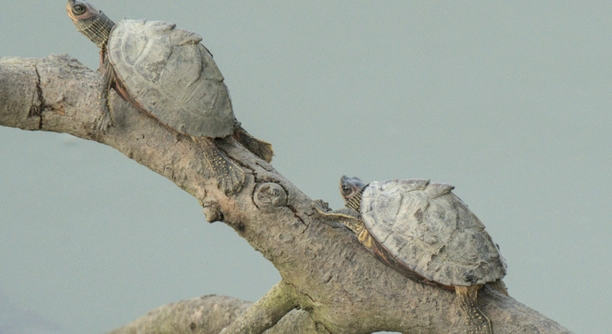
Sometimes, you may notice your Indian Roofed Tortoise trying to climb vertical surfaces. This behavior can seem odd, but it’s actually quite common for tortoises to exhibit these climbing attempts for various reasons.
The primary reason your Indian Roofed Tortoise tries to climb vertical surfaces is related to its natural instincts. Tortoises are curious creatures and may attempt to climb as a way to explore their environment or to reach a higher vantage point.
Understanding the behavior will help you create a safer and more comfortable environment for your tortoise. There are a few key factors behind this climbing instinct.
Why Do Tortoises Try to Climb?
Tortoises are naturally curious creatures. Their instinct to explore and find new spaces often leads them to attempt climbing, especially if they see something interesting or potentially edible. These reptiles do not climb for fun but as part of their survival instinct. They may want to find higher ground to survey their surroundings or search for food. However, their physical structure isn’t designed for vertical climbing, which can result in frustration or even injury if they fall. In nature, a tortoise might climb onto a rock or elevated surface to escape from predators or find more food. The same behavior is reflected in captivity.
While climbing may seem harmless, it’s important to keep a tortoise’s environment safe and secure. They might try to climb walls or fences, and it’s essential to ensure they don’t hurt themselves. A high barrier can prevent them from climbing, but providing a variety of things to explore at ground level is key to keeping them engaged.
Their climbing attempts often come from their natural instincts, not just a desire to escape. Tortoises need a stimulating environment to feel comfortable and healthy. Including places to hide and objects they can safely explore will reduce the chances of your tortoise trying to climb vertical surfaces.
Environmental Factors Influencing Climbing
The setup of your tortoise’s habitat plays a significant role in whether or not climbing occurs.
If your tortoise is trying to climb, it could be because the habitat is too small or lacks stimulation. Tortoises need space to roam and explore. A larger enclosure can provide them with the freedom to move around without feeling restricted. Adding different surfaces like rocks or logs helps them mimic their natural environment and encourages safe exploration. Also, having a proper temperature gradient in the enclosure gives your tortoise the warmth it needs, making it less likely to become frustrated or overly active.
In the wild, tortoises are often exposed to uneven terrain, which offers opportunities to climb or climb over obstacles in their path. Therefore, replicating this in their enclosure is vital for their mental and physical well-being. This means providing ramps, logs, or piles of safe materials that they can crawl over. These environmental features will help prevent your tortoise from attempting to climb vertical surfaces, offering an enriching experience without the risk of injury.
Physical Limitations of Tortoises
Tortoises are not built for climbing. Their short, stout legs and heavy bodies make vertical climbing especially difficult. They are designed to move across flat or slightly uneven surfaces, not up walls or steep inclines. This physical limitation often leads them to attempt climbing but quickly realizing it’s not possible for them to succeed. The result is that they either give up or risk hurting themselves.
The effort to climb may cause your tortoise to strain its muscles or even suffer from minor injuries if it falls. Without the right structure to support climbing, tortoises can be prone to stress. Excessive climbing attempts can lead to exhaustion, and in the worst-case scenario, a fall can result in broken shells or injuries. Keeping their environment appropriate for their physical limits is essential to ensuring your tortoise stays safe.
You can help prevent climbing by adding features that mimic a tortoise’s natural surroundings, like low ramps or logs. These additions allow for exploration and physical exercise without risking injury. This way, your tortoise can satisfy its curiosity while maintaining safety.
Managing Stress and Anxiety in Tortoises
If your tortoise is constantly trying to climb, it could be an indicator of stress. Tortoises can become anxious in environments where they feel confined or overwhelmed. An enclosure that is too small or lacks adequate stimulation might cause them to attempt climbing as a way to escape their perceived discomfort. Stress can also be triggered by environmental changes, such as temperature shifts or improper humidity levels.
To manage stress, create a stable and comfortable environment for your tortoise. Regularly check the temperature and humidity levels to ensure they are within the proper range. A tortoise’s stress can also stem from a lack of hiding spots or areas to retreat to. If they feel unsafe, they might try to climb as a way of finding a safer space. Adding shelter or hiding spots can significantly reduce this anxiety.
It’s also important to avoid sudden changes in the habitat. Tortoises thrive on routine, so minimizing disturbances will help keep them relaxed. When they feel safe and secure, they are less likely to engage in climbing behaviors. Keeping them healthy and happy goes beyond just physical needs; mental well-being plays a key role in their overall health.
Why Climbing May Indicate Boredom
Boredom is another reason why your tortoise might try to climb. When they are not mentally or physically stimulated, tortoises will often look for something to do. Climbing can be an outlet for this excess energy. If they feel there’s nothing else to engage with, they might attempt climbing as an act of exploration.
A lack of enrichment can lead to a tortoise trying to climb vertical surfaces out of frustration. If they don’t have enough to interact with in their habitat, climbing becomes an outlet for their curiosity. Adding items like rocks, branches, and hideaways can help keep them entertained and engaged.
Providing Mental Stimulation
Mental stimulation for tortoises is crucial for their well-being. Providing different textures, plants, and obstacles in their enclosure encourages them to engage with their environment. This can reduce the urge to climb vertical surfaces as they’ll have more to explore on the ground. Regularly changing the layout or adding new features keeps things fresh and exciting for them.
Recognizing Environmental Stressors
If your tortoise seems obsessed with climbing, it’s important to consider environmental stressors. These could include improper lighting, temperature fluctuations, or even the presence of loud noises. Addressing these stressors can reduce the need for your tortoise to seek an escape route by climbing.
FAQ
Why is my tortoise trying to climb walls?
Your tortoise may be trying to climb walls because it’s bored, curious, or stressed. Climbing can be an outlet for energy if there is nothing else to do in the enclosure. It can also be a way to escape or explore the environment. Since tortoises are naturally curious, they might look for higher ground to get a better view or simply because they see something interesting, like food or a new area to explore. However, because they are not built for climbing, this behavior can be dangerous and may result in injury if not addressed.
Is it harmful for my tortoise to keep climbing?
Yes, climbing can be harmful to your tortoise, especially if it leads to falls. Tortoises are heavy animals with short, sturdy legs, and their bodies are not designed for vertical climbing. If they attempt to climb walls or steep surfaces, they may fall and suffer injuries like cracks in their shell or muscle strain. Additionally, constant climbing attempts can be stressful for your tortoise, which can affect its overall health and behavior. Keeping the enclosure safe and free of hazards can help prevent this behavior.
How can I stop my tortoise from climbing?
To stop your tortoise from climbing, start by ensuring its environment is stimulating enough to prevent boredom. Offer a variety of objects for them to explore, like rocks, logs, and tunnels. You can also add plants and shelters for them to hide in. If your tortoise is trying to climb walls, consider using taller barriers to prevent escape and remove any climbing opportunities. Ensure the enclosure is large enough for your tortoise to move freely without feeling restricted. Regularly change the layout to keep things interesting.
Should I give my tortoise more space to stop climbing?
Yes, giving your tortoise more space can help reduce climbing behavior. A larger enclosure allows your tortoise to explore more and may satisfy its curiosity. The additional space can reduce stress, which is often a factor in climbing attempts. When tortoises feel cramped or confined, they might try to climb as a way to escape. By creating a larger, enriched environment, your tortoise will be more likely to explore safely and without trying to scale vertical surfaces.
Can temperature or lighting affect my tortoise’s climbing behavior?
Yes, improper temperature or lighting can cause stress, which may lead to climbing attempts. Tortoises rely on temperature gradients to regulate their body temperature, and if the enclosure isn’t properly heated, they may try to climb or seek out warmer areas. Poor lighting can also disrupt their natural behavior. Make sure you provide a basking light with proper UVB exposure and ensure the enclosure temperature is within the appropriate range for your tortoise’s species. This will help reduce the urge to climb.
Is it normal for my tortoise to try climbing objects in its enclosure?
Yes, it’s normal for tortoises to try climbing objects in their enclosure, especially if they have a natural curiosity. Tortoises may climb low rocks, logs, or branches as part of their exploration. This behavior is often harmless when the objects are safe to climb and don’t pose a risk of injury. However, if they try to climb vertical surfaces, such as walls or fences, this can be dangerous and may require modifications to the enclosure. Make sure the environment is stimulating enough to prevent frustration.
How can I create a safe enclosure for my tortoise?
To create a safe enclosure, focus on providing an appropriate size, proper lighting, and temperature. The enclosure should be large enough to allow your tortoise to roam freely. Include different textures and objects like rocks, logs, and hides that they can explore safely. Ensure the temperature is within the ideal range for your species, with a basking area for heat and a cooler spot for comfort. Add natural elements like plants (non-toxic) to create a more enriching environment. The walls of the enclosure should be high enough to prevent escape and free of sharp edges that could cause injury.
Can I stop my tortoise from climbing if it’s part of its natural behavior?
While climbing is part of a tortoise’s natural instinct, it can be controlled in captivity with the right environment. Tortoises are curious creatures, so they will attempt to climb or explore. However, in the wild, they climb for specific reasons, such as to get a better view or find food. In captivity, it’s important to provide alternatives to climbing, such as low ramps, logs, and other climbing opportunities that are safe. By meeting your tortoise’s natural needs for exploration in a secure way, you can prevent dangerous climbing attempts.
How can I tell if my tortoise is stressed from climbing?
If your tortoise is stressed, you might notice several signs besides climbing. These can include excessive hiding, pacing, loss of appetite, or aggressive behavior. If the climbing behavior is frequent or accompanied by other signs of stress, it may indicate that your tortoise is feeling unsafe or cramped in its environment. Stress can also affect your tortoise’s overall health, so it’s essential to address the root cause, whether it’s lack of space, improper lighting, or environmental factors.
What should I do if my tortoise falls while trying to climb?
If your tortoise falls while trying to climb, it’s important to immediately check for any visible injuries, such as cracks or fractures in the shell. Gently handle your tortoise to avoid further stress and assess its overall condition. If you notice any signs of injury, like bleeding or a limp, it’s important to contact a vet immediately. Even if there are no visible injuries, monitor your tortoise for any signs of discomfort or changes in behavior. It’s best to avoid allowing your tortoise to climb to prevent future incidents.
Final Thoughts
It’s important to remember that climbing behavior in your Indian Roofed Tortoise is usually linked to natural instincts, curiosity, or sometimes boredom. While it may seem harmless, it can lead to stress and potential injury if not managed properly. These tortoises are naturally inclined to explore their surroundings, and they might attempt climbing as a way to find a better vantage point or to escape from perceived danger. However, because they are not physically equipped to climb vertical surfaces, this behavior is more likely to result in frustration or harm.
Creating a safe and enriching environment for your tortoise can go a long way in addressing climbing behavior. Providing ample space and adding stimulating objects, like logs, rocks, and plants, allows your tortoise to engage with its surroundings in a safe way. If climbing continues to be a problem, consider modifying the enclosure with higher walls or other barriers to prevent it. It’s also essential to ensure that the temperature and lighting in the enclosure are optimal for your tortoise’s health. A comfortable and stable environment reduces stress and gives your tortoise fewer reasons to try and climb vertical surfaces.
Ultimately, understanding the cause of your tortoise’s climbing attempts is the key to resolving the issue. Whether it’s curiosity, boredom, or environmental stress, making a few adjustments to your tortoise’s habitat can significantly improve its well-being. Ensuring it has plenty of space to move around, proper shelter, and stimulating objects will help satisfy its natural instincts without the need for risky climbing. Regularly observing your tortoise’s behavior can also help you identify any issues early on, allowing you to address them before they become serious concerns.

Hello,
If you enjoy the content that we create, please consider saying a "Thank You!" by leaving a tip.
Every little bit helps us continue crafting quality advice that supports the health, happiness, and well-being of pets around the world, for pets of all shapes, sizes, and species.
We really appreciate the kindness and support that you show us!