
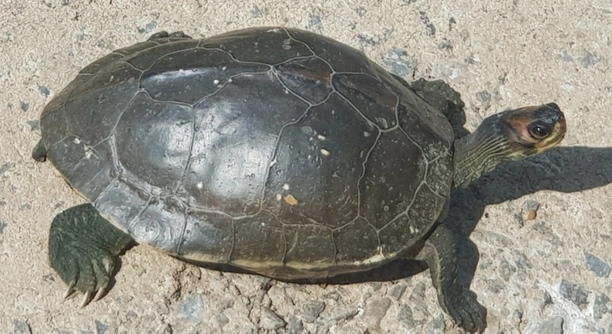
Have you ever noticed your Indian roofed tortoise making soft clicking noises and wondered if something might be wrong? These sounds can catch tortoise owners by surprise and often leave them unsure of the cause.
The most common reason your Indian roofed tortoise is making clicking noises is due to minor respiratory issues or natural jaw movements. These sounds may also occur when the tortoise is eating, adjusting its mouth, or slightly stressed.
Recognizing the difference between harmless sounds and those indicating health concerns is key to keeping your tortoise comfortable and well. Let’s take a closer look at what these noises might mean.
Possible Reasons Behind the Clicking Noises
Indian roofed tortoises may produce clicking sounds for a few different reasons. One of the most common causes is minor respiratory irritation. When the tortoise’s airways are slightly blocked or inflamed, it might make soft clicking or popping noises while breathing. Another reason could be natural jaw movements. Sometimes, when adjusting their mouth after eating or exploring, they produce these sounds. Additionally, stress or sudden changes in their environment can cause slight behavioral shifts, leading to unfamiliar noises. It’s essential to observe when and how often the clicking happens, as this will help determine if it’s a routine sound or a potential health concern.
Always check if the tortoise is showing other symptoms like nasal discharge or lack of appetite. These signs might suggest a more serious problem.
Environmental factors, such as improper humidity levels or temperatures, can also influence respiratory health. Ensuring optimal habitat conditions is crucial.
When to Worry About the Clicking Sounds
If the clicking noise is frequent and accompanied by other symptoms, it could indicate a respiratory infection.
Respiratory infections in Indian roofed tortoises are often caused by incorrect temperatures, low humidity, or a weakened immune system. Signs to watch for include wheezing, open-mouth breathing, bubbling at the nose, or lethargy. These infections should be addressed promptly, as they can worsen if left untreated. If your tortoise is showing any of these additional symptoms alongside clicking noises, it’s important to consult a qualified reptile veterinarian. Maintaining clean living conditions, proper heating, and a balanced diet can help prevent these health issues. Early action and proper care play a big role in your tortoise’s overall wellbeing.
How to Check If the Noise Is Normal
Observe when the clicking happens. If it only occurs while eating or after drinking, it is likely harmless. Many tortoises make soft sounds when adjusting their jaw or swallowing food.
If the clicking is random and not linked to eating, watch for other signs. Look closely at your tortoise’s breathing—normal breathing should be quiet and steady. Check if the nose is clear and the eyes are bright. Also, notice its behavior. Is it active and alert? A healthy tortoise will move around, bask under heat lamps, and show interest in food. Any unusual changes like hiding more, acting sluggish, or avoiding food could mean the clicking noise points to something more serious.
Always ensure the enclosure’s temperature and humidity are at ideal levels. Improper conditions can stress your tortoise and affect its health, sometimes leading to these clicking sounds. Small adjustments can make a big difference.
How to Prevent Health Issues
Provide the right temperature and humidity. Indian roofed tortoises need a warm basking area and consistent moisture levels to stay healthy. Poor conditions often lead to breathing problems.
Feed a varied, balanced diet to support their immune system. Fresh greens, calcium supplements, and proper hydration help prevent illness. Clean the enclosure regularly to keep bacteria and mold away. Stale air and dirty habitats can stress tortoises, making them more prone to respiratory issues. Pay attention to their behavior and appearance daily. Quick responses to small changes will keep your tortoise thriving and reduce the chances of health problems. Regular vet check-ups are also a good idea, especially if something seems off.
What to Do If the Clicking Persists
If the clicking noise continues for several days, schedule a visit to a reptile veterinarian. Persistent sounds, especially paired with other symptoms, should not be ignored.
In the meantime, double-check habitat conditions. Ensure temperatures, humidity, and cleanliness meet the tortoise’s specific needs to avoid further stress.
The Role of Stress in Causing Noises
Stress can trigger unusual behaviors, including clicking sounds. Moving to a new environment, sudden loud noises, or changes in lighting can all affect your tortoise’s mood. Limiting handling, keeping a calm space, and providing hiding spots help reduce stress levels and promote normal behavior.
Importance of Regular Monitoring
Checking on your tortoise daily helps catch small issues early. Paying attention to eating habits, activity levels, and breathing sounds ensures you can act quickly if something seems off. Consistent care supports their long-term health.
FAQ
Is it normal for an Indian roofed tortoise to make clicking noises while eating?
Yes, it is usually normal. Many tortoises make soft clicking or smacking sounds while chewing or adjusting their jaw. This sound happens naturally when they break down food or move their mouth after eating or drinking. As long as the clicking stops once they finish eating and there are no signs of labored breathing, there is no need to worry. Always observe if the sound is only tied to eating activities.
Can clicking noises indicate a respiratory infection?
Yes, clicking noises can sometimes be an early sign of a respiratory infection. If the sound continues outside of eating times and is accompanied by wheezing, bubbling at the nose, or difficulty breathing, it’s important to take it seriously. Respiratory infections in tortoises are often caused by low temperatures, poor humidity control, or dirty habitats. Contact a reptile veterinarian if these symptoms appear alongside the clicking.
How can I tell if the clicking sound is stress-related?
Stress-related clicking is often paired with behavioral changes. If your tortoise is hiding more, refusing food, or acting unusually sluggish, stress might be the cause. Factors like a recent habitat change, excessive handling, or loud noises can stress tortoises. Creating a calm, consistent environment and giving your tortoise time to adjust usually helps reduce the noise and other stress signs.
What should the ideal habitat conditions be for an Indian roofed tortoise?
The enclosure should have a basking area of around 90°F (32°C) and a cooler area between 75°F and 80°F (24°C to 27°C). Humidity levels should stay around 60% to 70%. A clean substrate, access to fresh water, and a UVB light source are essential. Poor habitat conditions can weaken the tortoise’s immune system, leading to respiratory problems and unusual sounds like clicking.
Can dehydration cause clicking sounds?
Yes, dehydration can sometimes contribute. When a tortoise is dehydrated, its mucus membranes may dry out, leading to minor breathing noises, including clicking. Always ensure your tortoise has access to clean, fresh water. You can also offer shallow soaking sessions a few times a week to keep them hydrated and healthy.
Is clicking always something to worry about?
No, not always. Clicking by itself, especially if occasional and during eating, is usually harmless. However, when it is persistent, paired with signs like nasal discharge, wheezing, or lethargy, it can signal a health issue. Monitoring how often the sound occurs and looking for additional symptoms is the best approach to deciding if action is needed.
How often should I take my tortoise to the vet?
It’s recommended to schedule a check-up at least once a year, even if your tortoise appears healthy. Regular visits help catch potential problems early. If you notice persistent clicking noises or other unusual behaviors, don’t wait—contact the vet right away.
Can improper diet cause respiratory issues in tortoises?
An improper diet alone won’t directly cause respiratory problems, but poor nutrition weakens the immune system. When a tortoise lacks the right vitamins, minerals, and hydration, it becomes more vulnerable to infections and stress, which can trigger respiratory symptoms, including clicking sounds. Always offer a variety of leafy greens, vegetables, and necessary supplements.
Should I separate my tortoise if it’s making clicking sounds?
If you house more than one tortoise and one starts showing signs of illness, including persistent clicking, it’s a good idea to separate them. This prevents any potential infections from spreading and allows you to monitor the sick tortoise closely without interference.
Can cold weather increase the chance of clicking noises?
Yes, cold weather can have an impact. Indian roofed tortoises need steady, warm temperatures to stay healthy. When the temperature drops too low, their immune system weakens, and respiratory issues may develop, sometimes resulting in clicking noises. Make sure the enclosure temperature remains stable, especially during colder months.
Final Thoughts
Clicking noises from your Indian roofed tortoise are not always something to worry about. In many cases, these sounds are completely normal, especially if they happen while the tortoise is eating, drinking, or adjusting its jaw. Just like any other animal, tortoises make small, natural sounds as part of their everyday behavior. These soft clicks may simply be a part of how they process food or move their mouth. If the tortoise seems active, alert, and healthy otherwise, occasional clicking is likely nothing unusual. Still, it’s always good to pay close attention and note when and how often the noise occurs, so you can be sure everything is as it should be.
However, clicking sounds can sometimes be an early sign of a health issue, especially if they happen frequently or outside of normal situations like eating. Respiratory infections are one of the most common causes of unusual breathing noises in tortoises. Conditions such as low temperatures, improper humidity levels, or poor enclosure hygiene can weaken their immune system and lead to illness. Along with clicking, signs like nasal discharge, wheezing, or a lack of appetite should never be ignored. Stress is another factor to consider. Changes in the tortoise’s environment, rough handling, or loud noises can cause stress, leading to both behavioral changes and physical symptoms. Keeping their habitat calm and stable plays a big role in keeping them healthy.
The best way to care for your tortoise is by providing the right habitat conditions, offering a balanced diet, and observing them regularly. Cleanliness, proper temperatures, and correct humidity levels all help reduce the risk of respiratory issues. Watching your tortoise’s daily habits, like how much it eats or how active it is, gives you useful clues about its health. If something feels off or if the clicking noise continues for several days, it’s always safest to reach out to a reptile veterinarian. Early action can prevent small problems from becoming serious ones. By staying consistent with care and being observant, you can keep your Indian roofed tortoise happy, comfortable, and healthy for years to come.

Hello,
If you enjoy the content that we create, please consider saying a "Thank You!" by leaving a tip.
Every little bit helps us continue crafting quality advice that supports the health, happiness, and well-being of pets around the world, for pets of all shapes, sizes, and species.
We really appreciate the kindness and support that you show us!