
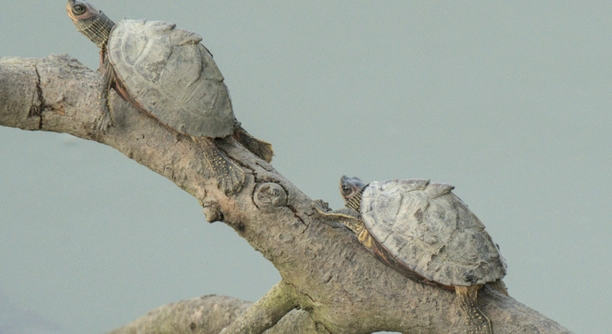
Is your Indian Roofed Tortoise showing unusual behavior or signs of discomfort? Fungal infections can affect their health and need immediate attention. Knowing how to identify these symptoms early can help prevent long-term damage to your pet.
A fungal infection in Indian Roofed Tortoises typically presents as discoloration or growths on their skin and shell. It is important to monitor their behavior, appetite, and physical appearance to spot early signs. Prompt treatment is crucial.
Fungal infections can cause harm to your tortoise’s overall health. Identifying the symptoms early and taking necessary actions will ensure that your pet recovers and thrives. Let’s explore how to spot a fungal infection in your tortoise.
Signs of Fungal Infection in Indian Roofed Tortoises
A fungal infection can show up in a few distinct ways. Common symptoms include discoloration on the shell, soft patches on the skin, and unusual growths. Your tortoise may also become lethargic or stop eating. These signs could indicate that something is wrong and should not be ignored. If you notice any of these changes, it’s essential to act quickly. The infection can spread rapidly if left untreated, leading to more severe health issues for your tortoise. Early detection is key to managing the condition and preventing further complications. Keep a close eye on your pet and regularly check for any changes in behavior or appearance.
These symptoms are often subtle at first, so it’s important to keep a close watch on your tortoise’s behavior. Noticing anything unusual, like a lack of appetite or unusual patches on the shell, can help you take quick action.
Fungal infections are typically caused by an imbalance in the tortoise’s environment, such as high humidity or poor ventilation. Maintaining a clean habitat is critical to preventing the growth of harmful fungi. If your tortoise is housed in a damp environment, this can create the perfect conditions for fungi to thrive. Ensure that your tortoise’s enclosure is dry, and use appropriate bedding to absorb excess moisture. Regularly clean the habitat and remove any uneaten food. Providing a proper diet rich in nutrients and allowing your pet time outside to bask in the sun can also strengthen its immune system, making it less susceptible to infections.
Treatment for Fungal Infections in Indian Roofed Tortoises
Treating a fungal infection in your tortoise involves a combination of medication and environmental adjustments. The first step is to remove your tortoise from any damp or contaminated areas. Then, you’ll need to clean its shell and skin gently using a mild disinfectant that’s safe for reptiles. Antifungal creams or oral medications may be prescribed by a vet, depending on the severity of the infection. Never try to treat the infection on your own without consulting a professional, as improper treatment can worsen the condition.
A vet will guide you in selecting the right antifungal treatment for your tortoise. They may also suggest increasing the amount of UV light exposure, which can help boost your pet’s immune system. If the infection is severe, follow the prescribed treatment plan until the fungus is completely gone. Be patient and give your tortoise the time it needs to heal.
Changing your tortoise’s habitat is another crucial step in treatment. Increasing airflow and ensuring your pet has a dry and clean environment will prevent further infections. You should also monitor its behavior closely throughout the treatment process. If there’s no improvement after following the vet’s instructions, consult them again to adjust the treatment plan. Taking quick action will help your tortoise return to its healthy self in no time.
Preventing Fungal Infections in Indian Roofed Tortoises
Keeping your tortoise’s environment clean and dry is the best way to prevent fungal infections. Make sure the enclosure has proper ventilation and avoid high humidity levels, which can encourage fungal growth. Regular cleaning of the habitat and removing uneaten food will also help reduce the risk.
Bedding material plays an important role in keeping the environment dry. Use absorbent materials like aspen shavings or coconut husk, and change it frequently. Avoid using newspaper or other materials that can retain moisture. You can also place a dehumidifier near the enclosure to help maintain proper humidity levels, making it harder for fungi to thrive.
UVB light is essential for your tortoise’s health, as it helps them produce vitamin D3. This strengthens their immune system and can prevent infections. Ensure your tortoise has access to a well-lit basking spot. You can also allow them some outdoor time when the weather permits, ensuring they receive plenty of natural sunlight.
Diet and Its Role in Prevention
A balanced diet is essential to maintain your tortoise’s overall health and prevent infections. Feeding your tortoise a mix of fresh leafy greens, vegetables, and some fruits will boost their immune system, helping them fight off harmful fungi. Calcium supplements are also important for shell health.
Overfeeding on high-protein foods or unhealthy snacks can weaken your tortoise’s immune system, making them more vulnerable to fungal infections. Avoid feeding them sugary foods or those high in fat, as they do not provide the necessary nutrients for healthy skin or shell growth. A proper diet with essential vitamins and minerals supports their natural defenses and makes it easier for them to recover from illnesses.
Regularly monitor your tortoise’s weight and appetite. If your tortoise is eating less or gaining too much weight, it might be time to adjust their diet.
Monitoring Your Tortoise’s Health
Consistently monitoring your tortoise’s behavior and appearance is important to catch any signs of infection early. Regularly check their shell and skin for any discoloration, lesions, or abnormal growths. If you notice anything unusual, it’s better to consult with a vet as soon as possible.
Watch for changes in your tortoise’s behavior as well. A drop in activity or loss of appetite could signal an infection or other health issue. By staying alert, you can address potential problems before they become severe and ensure your tortoise stays healthy.
Importance of Proper Habitat Lighting
Proper lighting is crucial for your tortoise’s overall health. A UVB light source mimics natural sunlight, which is needed for the production of vitamin D3. This vitamin helps with calcium absorption and supports the immune system, making it vital for fighting infections.
Without the right UVB exposure, your tortoise may become weak and more prone to fungal infections or other diseases. A quality UVB light should be placed in the basking area and used for about 10-12 hours a day to mimic the natural day-night cycle. Make sure to replace the bulb every six months, as UVB light decreases over time.
Shell Care and Hygiene
Maintaining proper shell hygiene is an essential part of preventing fungal infections. Clean the shell regularly using a damp cloth to remove dirt, debris, and any growths that could lead to infection. Avoid scrubbing too hard, as this can damage the shell and lead to more problems.
FAQ
What are the common signs of a fungal infection in an Indian Roofed Tortoise?
Common signs include discoloration, soft or swollen patches on the shell, and unusual growths on the skin. Your tortoise may also appear lethargic or lose its appetite. These signs may appear slowly, so it’s important to check your pet regularly for any changes. If you notice any of these symptoms, seek veterinary care to avoid the infection spreading.
How can I prevent fungal infections in my tortoise’s habitat?
The best way to prevent fungal infections is by maintaining a dry, clean environment. Ensure the enclosure is properly ventilated and avoid high humidity. Using absorbent bedding, like coconut husk or aspen shavings, and changing it regularly can help keep the habitat dry. Additionally, remove uneaten food and clean the habitat often to avoid moisture buildup.
Can poor diet lead to fungal infections in tortoises?
Yes, a poor diet can weaken your tortoise’s immune system, making them more susceptible to infections. Make sure your tortoise is eating a balanced diet rich in leafy greens, vegetables, and some fruits. Supplements like calcium and vitamin D3 are important for shell health and overall immune function. Avoid feeding your tortoise processed or sugary foods, as these don’t provide the necessary nutrients for their health.
How do I treat a fungal infection in my Indian Roofed Tortoise?
Treatment typically involves removing the tortoise from any damp areas and cleaning its shell and skin gently. A veterinarian may prescribe antifungal medications or creams, which are used according to their instructions. You may also need to adjust the habitat conditions by reducing humidity and increasing ventilation. Never attempt to treat a fungal infection on your own without a vet’s guidance.
How long does it take for a fungal infection to heal in a tortoise?
The healing process can vary depending on the severity of the infection and how soon it was treated. It may take a few weeks to several months for a tortoise to fully recover. Consistent treatment, a proper diet, and maintaining a clean habitat are essential for a successful recovery. Regularly check the progress to ensure the infection is clearing up.
Can fungal infections spread to other pets or humans?
Fungal infections in tortoises are usually species-specific and do not typically pose a risk to humans or other pets. However, it’s still a good idea to wash your hands thoroughly after handling your tortoise or cleaning its enclosure to avoid the spread of any contaminants. It’s also important to ensure your other pets’ environments are kept clean to prevent any cross-contamination.
Should I change the bedding when my tortoise has a fungal infection?
Yes, you should change the bedding immediately if your tortoise has a fungal infection. Contaminated bedding can contribute to the growth of fungi and prolong the infection. Use clean, absorbent bedding that helps to keep the environment dry and minimize moisture. Make sure the new bedding is safe and suitable for your tortoise’s habitat.
How can I tell if my tortoise’s shell is infected?
An infected shell may show signs like discoloration, softening, or growths on its surface. You might notice patches of mold, discoloration that doesn’t go away, or spots that look like lesions. If you’re unsure, it’s best to take your tortoise to the vet for an accurate diagnosis and treatment plan.
Can I use antifungal creams on my tortoise at home?
While antifungal creams are commonly used in treating tortoises with fungal infections, it’s crucial to consult a vet before applying any medication. The vet will guide you on the appropriate cream or oral medication, along with the correct dosage and application method. Using the wrong treatment could harm your tortoise or make the infection worse.
Is there a way to prevent fungal infections through sunlight?
Yes, exposing your tortoise to natural sunlight or providing proper UVB lighting is an important part of preventing fungal infections. UVB light helps your tortoise produce vitamin D3, which strengthens their immune system and promotes healthy shell growth. This can help prevent the development of infections, including fungal ones, by boosting their overall health.
What should I do if my tortoise is not eating due to a fungal infection?
Loss of appetite is a common symptom of a fungal infection. If your tortoise is not eating, consult with your veterinarian to ensure proper treatment. In some cases, the vet may recommend appetite stimulants or a change in diet to encourage eating. Ensure your tortoise’s habitat is comfortable and stress-free, as this can help improve their appetite.
How can I tell if my tortoise is feeling better after a fungal infection?
A healthy tortoise will become more active and start eating normally again. Their shell and skin should gradually return to their usual color and texture. If the infection was severe, you might see improvement in stages, so it’s important to continue following the vet’s treatment plan until the infection is completely gone. Regular checkups with the vet can also ensure your tortoise is fully recovered.
Final Thoughts
Fungal infections in Indian Roofed Tortoises can be concerning, but they are treatable with the right care. It’s important to stay vigilant and watch for any signs of infection, like changes in behavior, appetite, or skin and shell discoloration. Early detection can make a significant difference in how quickly and effectively the infection is treated. If you notice anything unusual with your tortoise, it’s best to consult a vet right away to avoid the infection from spreading or worsening. Your tortoise’s overall health is tied to the environment, diet, and regular care you provide, so making sure everything is in order can help prevent issues before they arise.
Preventing fungal infections starts with a clean and dry habitat. Make sure the enclosure has proper ventilation and avoid moisture buildup, which creates a breeding ground for fungi. Use absorbent bedding and remove uneaten food regularly to reduce any risk. A well-balanced diet and the proper amount of UVB light will also help maintain your tortoise’s health, boosting its immune system and making it less susceptible to infections. These simple steps will go a long way in keeping your pet happy and healthy.
Taking care of your tortoise requires ongoing attention, but the effort is well worth it. By keeping an eye on your pet’s health, providing the right environment, and addressing any signs of infection early, you’re giving your tortoise the best chance for a long, healthy life. With the right precautions, fungal infections can be prevented, and if they do occur, they can be treated effectively. Your tortoise will thank you for the care and attention you give it, as it continues to live a comfortable and thriving life.

Hello,
If you enjoy the content that we create, please consider saying a "Thank You!" by leaving a tip.
Every little bit helps us continue crafting quality advice that supports the health, happiness, and well-being of pets around the world, for pets of all shapes, sizes, and species.
We really appreciate the kindness and support that you show us!