
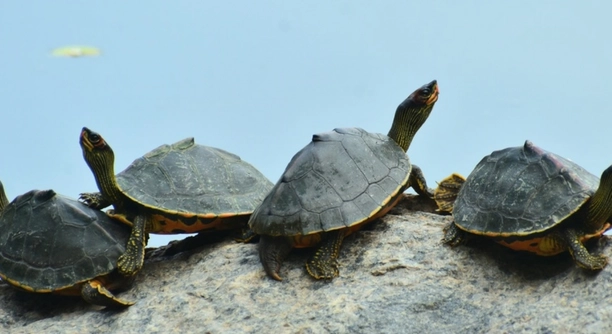
The Indian Roofed Tortoise is a fascinating species, and its unique shell is often a point of admiration. However, discoloration on its shell can raise concerns for pet owners. Understanding the causes behind this can help ensure its health.
Discoloration of an Indian Roofed Tortoise’s shell can occur due to several factors, including poor diet, dehydration, fungal or bacterial infections, shell injuries, and environmental stress. Identifying the exact cause is key to providing the proper care and treatment.
Knowing the reasons behind shell discoloration can guide you in addressing the issue. By recognizing the potential causes, you can take proactive steps to ensure your tortoise stays healthy and comfortable.
Poor Diet and Nutritional Deficiencies
A poor diet is one of the main reasons for shell discoloration in Indian Roofed Tortoises. These tortoises require a balanced diet of fresh vegetables, fruits, and occasional protein to maintain their health. Lack of essential nutrients like calcium, vitamin D, and fiber can cause changes in the color of their shell, as well as other health problems. Without the right nutrition, their shells may become pale, dull, or even develop spots. Overfeeding with fruits or high-protein foods can also lead to an imbalance, affecting the shell’s appearance and the overall well-being of the tortoise.
To prevent dietary issues, provide a mix of leafy greens like dandelion, collard greens, and romaine lettuce. You can also add a calcium supplement to their meals to ensure they get the necessary nutrients. Avoid too much fruit and stick to a more natural diet to help your tortoise maintain a healthy, vibrant shell.
If you’re unsure about the right diet, it’s always a good idea to consult a vet who specializes in reptiles. A proper diet will help keep your tortoise’s shell in top condition.
Dehydration
Dehydration is another common factor that can lead to shell discoloration. Lack of water intake can cause the tortoise’s shell to appear faded or cracked, signaling poor hydration.
A tortoise’s shell is made of keratin, which needs moisture to stay healthy and maintain its natural color. When dehydration sets in, the shell may dry out and lose its vibrancy. Regular access to clean water and misting the shell can help avoid this issue. Ensure your tortoise has a shallow water dish to drink from and bathe in.
Fungal and Bacterial Infections
Fungal and bacterial infections can cause discoloration on an Indian Roofed Tortoise’s shell. These infections often show up as dark patches, which may look like mold or scabs. Left untreated, they can worsen and affect the tortoise’s overall health.
Infections typically develop due to a damp or dirty environment, poor ventilation, or injuries that introduce bacteria or fungus to the shell. It’s important to clean the enclosure regularly and ensure the humidity levels are appropriate. A clean and dry living space will reduce the risk of infections.
If you notice any unusual growths or spots, it’s essential to seek veterinary care as soon as possible. These infections can be treated with antifungal or antibiotic creams, depending on the type of infection. Timely treatment is key to preventing long-term damage.
Shell Injuries
Shell injuries, whether from falls or rough handling, can lead to discoloration. Cracks, chips, or abrasions can cause the shell to heal improperly, often resulting in a change of color.
When the shell is injured, it can become more vulnerable to environmental factors like bacteria and moisture. Over time, this may cause uneven pigmentation or an unhealthy appearance. To avoid this, handle your tortoise gently and ensure its habitat is free of obstacles that could cause harm.
If your tortoise sustains an injury, it’s vital to clean the wound and apply a suitable treatment. Consult a vet for proper guidance on care and recovery to ensure the shell heals without complications.
Environmental Stress
Environmental stress can affect the color of your tortoise’s shell. This stress often comes from temperature fluctuations, poor lighting, or an overcrowded living space. These factors can lead to a change in shell pigmentation.
A well-maintained habitat with consistent temperature, humidity, and proper lighting will reduce the chances of stress-related discoloration. Providing a peaceful and safe environment will help your tortoise thrive and maintain a healthy, vibrant shell.
Sun Exposure
Tortoises need sunlight to maintain their health, but too much direct sun can lead to shell damage. Overexposure to sunlight can cause the shell to dry out, leading to discoloration or cracks.
If your tortoise spends time outdoors, make sure it has access to shaded areas. Too much sun can damage its shell over time, so balancing exposure is crucial for maintaining shell health. Consider using UVB lighting in an indoor habitat if your tortoise does not get natural sunlight.
Poor Handling
Poor handling can contribute to stress and injury, both of which may cause shell discoloration. Tortoises should be handled gently and with care to avoid causing harm to their shells.
Rough handling or dropping your tortoise can lead to shell cracks or other injuries. It’s important to support their body fully when picking them up, and avoid lifting them by their shell. Treating your tortoise with care can help prevent unnecessary damage and maintain the natural color of its shell.
FAQ
What can I do to treat discoloration caused by poor diet?
If your tortoise’s shell is discolored due to a poor diet, you need to adjust its nutrition. Start by offering a variety of dark leafy greens like collard greens and dandelions. Add calcium supplements to ensure strong bones and shell health. Avoid feeding too much fruit or protein, as these can cause imbalance. It’s also important to ensure that the tortoise has access to clean water at all times. With the right diet, your tortoise’s shell color should gradually return to normal. If the discoloration doesn’t improve, consult a vet for further guidance.
How do I prevent dehydration in my tortoise?
To prevent dehydration, always provide your tortoise with fresh water. Make sure the water dish is shallow enough for the tortoise to drink easily but deep enough for it to soak if needed. Additionally, misting the tortoise’s shell with water or using a humidifier in its enclosure can help keep its skin hydrated. Dehydration often leads to dry, discolored shells, so it’s essential to keep hydration levels in check. If you notice your tortoise is avoiding water, it might be a sign of illness, so seek veterinary care.
Can fungal infections affect my tortoise’s shell color?
Yes, fungal infections can cause discoloration. They typically appear as dark, patchy spots or areas that seem to be growing mold. Fungal infections are usually linked to excessive moisture in the tortoise’s habitat, such as when the enclosure isn’t properly ventilated. If you notice signs of fungal growth, you should remove your tortoise from the environment, clean the enclosure, and treat the shell with an antifungal cream. Consult a veterinarian for a proper diagnosis and treatment plan. If left untreated, fungal infections can worsen and damage the shell permanently.
What should I do if my tortoise has shell injuries?
If your tortoise has sustained a shell injury, it’s crucial to clean the wound and monitor the injury carefully. Use a gentle antiseptic to clean the area, and apply a suitable healing ointment. If the injury is deep or extensive, you should immediately take your tortoise to a vet. They may need to treat it with more advanced care, such as antibiotics or surgical intervention. Keeping the tortoise in a clean, dry environment will prevent infection. Avoid handling the tortoise too much to give it time to heal properly.
How does stress affect my tortoise’s shell?
Stress can cause changes in a tortoise’s shell, typically making it look dull or causing it to develop discoloration. Stress can result from a variety of factors, including poor living conditions, improper temperatures, or overcrowding in its enclosure. To minimize stress, ensure your tortoise’s environment is consistent, with appropriate temperature gradients and humidity levels. Avoid sudden changes in its habitat and make sure it has enough space to move around comfortably. A stress-free tortoise is more likely to maintain a healthy, vibrant shell.
Can excessive sun exposure damage my tortoise’s shell?
Yes, excessive sun exposure can dry out a tortoise’s shell, causing it to lose its natural color. While tortoises need sunlight for UVB exposure, too much direct sunlight can lead to dehydration and shell damage. It’s important to balance sun exposure, ensuring your tortoise has access to both shaded areas and direct sunlight. If your tortoise spends a lot of time outdoors, make sure it has shelter where it can retreat from the sun when necessary. If your tortoise is housed indoors, use UVB lighting to mimic natural sunlight safely.
What is the best way to handle my tortoise to prevent injury?
To prevent injuries, always handle your tortoise gently. When picking it up, support both the body and shell to avoid placing stress on the shell or dropping it. Avoid lifting the tortoise by its shell, as this can cause fractures or other injuries. Always hold your tortoise low to the ground in case it tries to escape. Reducing the amount of handling can also help prevent stress and shell damage. The less you handle your tortoise, the less chance there is of causing harm.
How can I tell if my tortoise’s shell discoloration is caused by an infection?
Infections often show up as dark spots or areas on the shell that might feel soft or raised. If the discoloration is due to an infection, the affected areas may also show signs of swelling, pus, or a foul smell. If you notice any of these symptoms, it’s important to seek veterinary care as soon as possible. Early treatment of bacterial or fungal infections can prevent further damage. Always keep the tortoise’s habitat clean to minimize the risk of infection and ensure a healthy environment.
Can stress from handling affect my tortoise’s shell color?
Yes, excessive handling can cause stress, which may lead to discoloration. When a tortoise is stressed, it might show physical symptoms, including changes in shell color or behavior. Handling should be minimized, especially when you notice signs of stress. Ensure the tortoise’s living conditions are stable and comfortable, and avoid touching it too often. Allow your tortoise to adjust to its surroundings and get used to human presence at its own pace. With less handling, your tortoise’s shell will be less likely to show signs of stress-related discoloration.
Is it normal for my tortoise’s shell color to change with age?
As tortoises age, some changes in shell color are normal. Younger tortoises usually have more vibrant, bright shells, which may become duller or more faded as they mature. This gradual change is not usually a cause for concern unless accompanied by other health issues. However, drastic changes in color, especially sudden discoloration, should be investigated as they could indicate an underlying health problem. Always keep an eye on your tortoise’s behavior and shell condition as it ages to ensure it remains healthy.
Final Thoughts
Discoloration of an Indian Roofed Tortoise’s shell can be caused by a variety of factors, ranging from diet and dehydration to infections and stress. It’s important to address the root cause of the problem to ensure your tortoise’s health and well-being. While minor discoloration can sometimes be a natural occurrence, especially with age, it’s always wise to pay close attention to any sudden or severe changes in the appearance of your tortoise’s shell. The earlier you catch these issues, the better the chances of a positive outcome.
Providing a proper diet, maintaining a clean living environment, and making sure your tortoise has access to clean water and sunlight are essential steps in keeping it healthy. Regularly checking for signs of fungal or bacterial infections, as well as avoiding excessive handling, can help prevent further damage. It’s also crucial to understand the balance of sunlight exposure and humidity levels, as these factors can directly impact your tortoise’s shell health. When you take the time to observe and care for these small details, your tortoise will be in a much better position to thrive.
If you’re ever unsure or notice persistent changes in your tortoise’s shell, seeking the help of a veterinarian is always a good idea. A professional will be able to assess the situation and offer the necessary treatment. Remember, your tortoise’s shell is not just a protective barrier, but also an important sign of its overall health. Proper care and attention will ensure your tortoise stays comfortable, happy, and healthy for many years to come.

Hello,
If you enjoy the content that we create, please consider saying a "Thank You!" by leaving a tip.
Every little bit helps us continue crafting quality advice that supports the health, happiness, and well-being of pets around the world, for pets of all shapes, sizes, and species.
We really appreciate the kindness and support that you show us!