
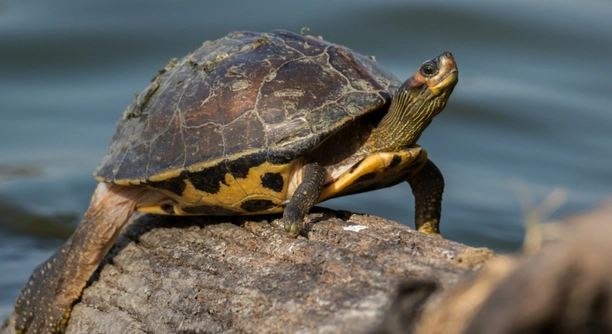
Metabolic Bone Disease (MBD) is a common health issue for Indian Roofed Tortoises, especially in captive environments. Knowing the signs can help ensure their well-being. Proper care and attention are essential for preventing this condition.
MBD occurs when a tortoise’s body lacks the necessary calcium and vitamin D3 for proper bone health. This leads to weakened bones, deformities, and other health issues, often due to improper diet or lighting.
Recognizing the early symptoms of MBD will help you take action quickly. Early treatment can prevent further complications and improve your tortoise’s quality of life.
Understanding Metabolic Bone Disease (MBD)
Metabolic Bone Disease (MBD) is a serious condition that affects the bones and overall health of your Indian Roofed Tortoise. It happens when a tortoise’s body doesn’t get enough calcium, vitamin D3, or proper UVB lighting. These nutrients are essential for strong bones and general well-being. Without them, your tortoise can develop soft, brittle bones that may deform or break easily. It can also lead to other issues such as difficulty moving, lethargy, and even organ failure. This condition is most commonly seen in tortoises that are housed indoors without proper exposure to sunlight or UVB light. Inadequate nutrition is another contributing factor, as a poor diet lacks the vitamins and minerals needed to support bone health. Recognizing early signs of MBD can make a significant difference in your tortoise’s health and help prevent permanent damage.
MBD is preventable and treatable if caught early. Taking the right steps to support your tortoise’s health will help avoid the severity of the disease.
Once you realize that your tortoise might have MBD, the first step is to correct its diet and lighting setup. Proper UVB lighting, combined with calcium and vitamin D3 supplements, is crucial. The lighting should be placed in a way that ensures your tortoise can bask under it. It’s also important to feed your tortoise a balanced diet with leafy greens, vegetables, and calcium-rich foods like cuttlefish bone. Offering these adjustments early on can help reverse mild cases of MBD. However, in more severe cases, it may require veterinary intervention. If you notice signs such as swollen limbs, difficulty moving, or an overall decrease in activity, these are red flags that your tortoise may need professional care.
Causes of MBD in Tortoises
There are several factors that can lead to MBD in your tortoise. One of the most common causes is insufficient UVB light. This type of lighting is essential for the synthesis of vitamin D3 in a tortoise’s skin, which in turn helps with calcium absorption. Without proper UVB exposure, your tortoise can’t metabolize calcium effectively, leading to weakened bones. Another factor is diet. A calcium-deficient diet can also lead to MBD, especially if your tortoise is not eating the right kinds of foods or if the food lacks the necessary nutrients. A lack of variety in your tortoise’s meals can also limit the intake of essential vitamins and minerals. Over-reliance on low-calcium foods or the absence of calcium supplements can worsen the problem.
To prevent MBD, make sure your tortoise has access to proper UVB lighting and a varied diet. Both are key components to preventing this disease.
Providing your tortoise with a balanced diet and the right kind of light is the best way to avoid MBD. Include calcium-rich greens, and ensure your tortoise gets enough exposure to natural sunlight or artificial UVB light. Without these, even the healthiest tortoise can develop this condition. Additionally, regular veterinary checkups are crucial for catching any early signs of MBD before it becomes too severe. Keep in mind that if you suspect MBD, a vet can offer calcium treatments or recommend dietary changes that may reverse the damage. Taking preventive measures will keep your tortoise happy, healthy, and active for many years.
Signs of MBD in Indian Roofed Tortoises
One of the first signs of MBD is weakness or a decrease in activity. If your tortoise is moving slowly or seems unusually tired, it might be struggling with bone issues. Other signs include swollen limbs, difficulty standing or walking, and deformities in the shell.
You may notice your tortoise having trouble lifting its head or legs. This is because MBD affects the bones, making them weaker and less functional. Swollen limbs are another indicator that something is wrong. Your tortoise might appear hunched or even refuse to eat, a common sign of discomfort. These are signs that require immediate attention.
The shell can also become soft, and it may not grow properly. If the shell feels soft or the tortoise’s limbs are misshapen, it’s a warning sign of advanced MBD. These deformities, if left untreated, can lead to permanent damage, making it harder for your tortoise to move and causing severe health problems.
How to Treat MBD in Tortoises
Treatment for MBD involves improving diet, lighting, and calcium intake. Calcium supplements are often used, but proper UVB lighting is equally important. These two factors work together to improve calcium absorption, which is vital for bone health.
Start by providing your tortoise with UVB light, if it hasn’t had access to it already. Calcium supplements can be added to its food or given directly. Along with these changes, you should introduce a variety of calcium-rich vegetables like kale, collard greens, and dandelion greens into its diet. It’s important to balance these nutrients for the best results.
If your tortoise’s MBD is more severe, your vet may suggest more specific treatments, such as injectable calcium or specialized diets. In some cases, they may recommend physical therapy to help your tortoise regain movement. Monitoring progress and making necessary adjustments is key for a full recovery. A veterinary professional will guide you in this process to ensure the best outcome for your tortoise’s health.
Preventing MBD in Indian Roofed Tortoises
To prevent MBD, it’s essential to provide the right balance of diet, lighting, and supplements. Ensure your tortoise has access to UVB light and a well-balanced diet. Regular calcium supplementation is key to keeping bones healthy.
A varied diet rich in leafy greens, vegetables, and fruits will support bone health. Be sure to include calcium-rich foods, such as collard greens, mustard greens, and dandelion. This, along with regular UVB exposure, helps prevent MBD from developing. Proper lighting and nutrition should be the foundation of your tortoise’s daily routine.
Regular vet checkups can help detect early signs of MBD before it becomes a problem. These visits can confirm your tortoise’s health and give you advice on maintaining the right care routine.
UVB Lighting for Tortoises
UVB lighting is essential for your tortoise’s overall health and helps prevent MBD. Tortoises need UVB to produce vitamin D3, which is necessary for calcium absorption. Without it, they can develop metabolic bone disease.
Position the UVB light in a way that allows your tortoise to bask under it for 10-12 hours daily. The UVB light should be replaced every 6 months, as it loses effectiveness over time. Tortoises need access to this light to metabolize calcium and maintain healthy bones.
The Importance of a Balanced Diet
A balanced diet is crucial in preventing MBD. Along with calcium-rich greens, ensure that your tortoise’s meals include a variety of vegetables to meet all nutritional needs. A lack of variety can cause deficiencies that lead to MBD.
FAQ
How can I tell if my tortoise is getting enough calcium?
If your tortoise has strong, hard bones and is active, it’s a good sign that it’s getting enough calcium. Calcium deficiency can lead to softer shells and swollen limbs. If you notice these issues, it’s time to check its diet and lighting setup. You should also observe its movement; a sluggish tortoise might be lacking calcium.
Can my tortoise recover from MBD?
Yes, if MBD is caught early, your tortoise can recover with proper treatment. Correcting its diet, improving UVB lighting, and adding calcium supplements will help. However, if the disease is advanced, some damage may be irreversible. Early intervention is key to a full recovery.
What foods should I feed my tortoise to prevent MBD?
To prevent MBD, feed your tortoise a diet rich in leafy greens like kale, dandelion greens, and collard greens. You can also offer calcium-rich vegetables like broccoli, as well as occasional fruits. Ensure that your tortoise’s food variety supports its calcium needs.
How long should my tortoise be exposed to UVB light each day?
Your tortoise should be exposed to UVB light for 10-12 hours per day. The UVB light should be on for most of the daytime, simulating natural sunlight. Be sure to replace the bulb every 6 months, as its UVB output decreases over time.
What happens if I don’t provide UVB light for my tortoise?
Without UVB light, your tortoise won’t be able to produce vitamin D3, which is essential for calcium absorption. This can lead to MBD, causing soft shells, deformities, and weakened bones. Without proper UVB exposure, your tortoise’s health will deteriorate over time.
Can I use calcium powder for my tortoise?
Yes, you can use calcium powder to supplement your tortoise’s diet. Dust their food with the powder a few times a week. This helps ensure they get the calcium needed for healthy bone development. For best results, you should use calcium powder with added vitamin D3.
How often should I take my tortoise to the vet?
Regular vet checkups are important, especially if your tortoise has a history of diet or lighting issues. A checkup every 6-12 months is a good baseline. If you notice signs of MBD or other health issues, seek veterinary care immediately.
Can I correct MBD without a vet?
Mild cases of MBD can be improved by correcting diet and lighting. However, for more severe cases, a vet’s help is essential. A vet can provide calcium injections or advise on specific treatments to help your tortoise recover. It’s always best to consult a vet if you’re unsure.
Are there any specific signs of severe MBD?
Severe MBD can lead to permanent bone deformities, soft or malformed shells, and difficulty moving. If your tortoise is unable to stand or is showing signs of extreme lethargy, these could be signs of advanced MBD. Immediate veterinary attention is necessary.
What type of UVB bulb should I use for my tortoise?
Use a UVB bulb designed for reptiles, typically a 5.0 or 10.0 UVB bulb, depending on your tortoise’s species and the size of its enclosure. Make sure the bulb is the correct wattage and is placed at the appropriate distance from your tortoise to ensure it gets adequate exposure.
Can I use natural sunlight instead of UVB bulbs?
Yes, natural sunlight is a great source of UVB for tortoises. If possible, take your tortoise outside for a few hours each day. Be sure that the sunlight is direct and not filtered through windows, as glass blocks UVB rays. If outdoor exposure isn’t feasible, UVB bulbs are a reliable alternative.
How can I ensure my tortoise’s bones stay strong?
To keep your tortoise’s bones strong, provide a calcium-rich diet, ensure it has access to proper UVB light, and supplement with calcium as needed. Regular exposure to natural sunlight or high-quality UVB bulbs, combined with the right diet, is the best way to keep your tortoise healthy and prevent MBD.
Is MBD more common in indoor tortoises?
Yes, MBD is more common in tortoises kept indoors because they may not get enough natural sunlight or UVB exposure. Indoor tortoises rely on artificial lighting, which needs to be set up correctly. Without proper lighting and diet, MBD is more likely to occur in captive tortoises.
What should I do if my tortoise has a soft shell?
A soft shell can be a sign of calcium deficiency or MBD. Check the lighting and diet immediately. Increase UVB exposure and add calcium supplements to your tortoise’s meals. If the shell remains soft despite these changes, consult a vet for further diagnosis and treatment.
How do I know if my tortoise’s shell is growing properly?
A healthy shell should feel hard and smooth, with consistent growth. If the shell looks deformed, soft, or has noticeable cracks or soft spots, these could be signs of MBD. Regularly inspect your tortoise’s shell to catch any early signs of trouble. If you’re unsure, visit a vet.
Can a tortoise’s shell harden again after MBD?
In mild cases, proper diet and UVB light exposure can help harden a soft shell. However, severe cases of MBD may cause permanent damage. Early treatment is essential for the best chance of recovery, but in advanced stages, the shell may not fully return to its original state.
Final Thoughts
Taking care of an Indian Roofed Tortoise requires attention to its basic needs, including diet, lighting, and overall health. Metabolic Bone Disease (MBD) can be avoided with the right care, but it’s important to recognize the signs early. A balanced diet, rich in calcium and other nutrients, is crucial for maintaining strong bones and overall health. Tortoises are naturally exposed to sunlight in the wild, so providing proper UVB lighting is essential for them to synthesize vitamin D3, which helps with calcium absorption. Without this, your tortoise’s bones may weaken, leading to serious health problems.
If you notice any signs of MBD, such as lethargy, difficulty moving, or softening of the shell, immediate action is necessary. These symptoms could be a sign of calcium deficiency, which is common in captive tortoises that don’t receive the right kind of lighting or food. Early detection can make a big difference in treatment. By adjusting your tortoise’s diet and ensuring it has access to UVB light, you may be able to reverse mild cases of MBD. However, in more advanced stages, professional help may be needed. Regular vet checkups can also help detect potential health issues before they become more serious.
Prevention is always better than cure when it comes to the health of your tortoise. Ensure your pet has access to the right foods, like leafy greens and calcium-rich vegetables, along with a suitable light source to prevent MBD from developing in the first place. A little extra effort in providing a proper environment and care will go a long way in ensuring your tortoise remains healthy and active for years to come.

Hello,
If you enjoy the content that we create, please consider saying a "Thank You!" by leaving a tip.
Every little bit helps us continue crafting quality advice that supports the health, happiness, and well-being of pets around the world, for pets of all shapes, sizes, and species.
We really appreciate the kindness and support that you show us!