
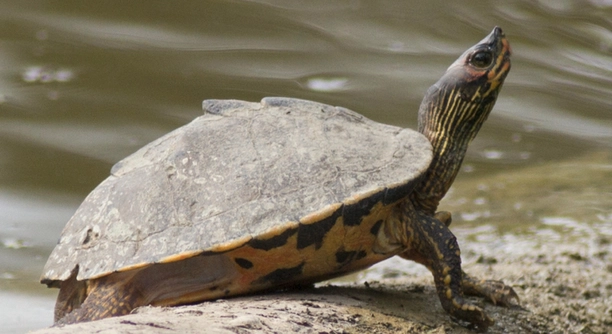
Do you ever find yourself worrying about whether your Indian roofed tortoise is getting the best care possible? These unique reptiles require specific conditions to thrive, and small mistakes in their care can lead to serious health issues over time.
The most common mistakes that shorten an Indian roofed tortoise’s lifespan include improper diet, inadequate UVB lighting, incorrect humidity levels, and poor habitat setup. Neglecting these essential factors can lead to metabolic disorders, respiratory infections, and overall poor health in your tortoise.
From diet mishaps to habitat errors, understanding these key mistakes will help you create a healthier and safer environment for your tortoise. Let’s explore what you might be overlooking and how to fix it.
Feeding an Improper Diet
Indian roofed tortoises need a balanced diet rich in leafy greens, vegetables, and occasional fruits. Many owners unknowingly feed them foods high in phosphorus, low in calcium, or too many protein-rich items. This can lead to shell deformities, kidney issues, and slow growth. Commercial pellets can supplement their diet, but they should not replace fresh food. Safe greens include collard greens, dandelion leaves, and mustard greens. Fruits should only be an occasional treat. Avoid feeding iceberg lettuce, animal protein, or high-oxalate vegetables, as these can negatively affect their health over time.
A poor diet can cause metabolic bone disease, which weakens the shell and bones. Feeding excessive protein may also lead to pyramiding, a condition where the shell develops abnormal, raised growths. Providing a varied, well-balanced diet will help maintain a strong, healthy tortoise.
Ensuring proper nutrition is one of the most important steps in extending your tortoise’s lifespan. A simple adjustment in feeding habits can prevent many health problems. Fresh, natural foods combined with calcium and vitamin supplements will provide the nutrients they need. Observing your tortoise’s eating habits and making gradual improvements will help them stay active and healthy for years to come.
Lack of UVB Lighting
Without proper UVB exposure, Indian roofed tortoises cannot produce vitamin D3, which is necessary for calcium absorption. Over time, this deficiency can lead to weak bones, soft shells, and serious health problems. A UVB light mimics natural sunlight and helps prevent these issues.
Tortoises in captivity do not get the same level of sunlight as those in the wild, making artificial UVB lighting essential. A high-quality UVB bulb should be placed within 12 inches of their basking spot and kept on for 10–12 hours a day. The bulb should be replaced every six months since UVB output decreases over time, even if the light is still working. Using a combination of UVB lighting and occasional supervised outdoor sun exposure can provide the best results.
Some owners rely on natural light from windows, but glass filters out most UVB rays, making it ineffective. Without consistent UVB exposure, tortoises may suffer from soft-shell syndrome, weak limbs, and lethargy. Proper lighting, along with a well-balanced diet, helps maintain a strong shell and healthy bones. Investing in a good UVB setup ensures your tortoise stays active and healthy for years.
Incorrect Humidity Levels
Indian roofed tortoises need a humidity level between 60% and 80% to stay healthy. Too little humidity can cause dehydration and shell issues, while too much can lead to respiratory infections and shell rot. Maintaining the right balance is crucial for their long-term health.
A dry environment can make the shell brittle, leading to cracking and deformities. On the other hand, excessive moisture can create a breeding ground for bacteria and fungi, which can harm your tortoise. Regularly misting their enclosure, providing a humid hide, and using a substrate that retains moisture can help keep humidity at the right level. Investing in a digital hygrometer allows you to monitor conditions accurately.
A shallow water dish is also essential, as tortoises absorb moisture through their skin. Soaking your tortoise once or twice a week can help prevent dehydration. By keeping humidity levels stable, you reduce the risk of health problems and ensure your tortoise stays comfortable and active.
Poor Habitat Setup
A small or improperly arranged enclosure can stress your tortoise and affect its health. They need plenty of space to move around, along with a secure basking area and shaded spots. A well-designed habitat keeps them active, reduces stress, and prevents health issues.
The enclosure should be at least four times the length of your tortoise, allowing enough room to explore. A mix of dry and moist areas helps them regulate their body temperature. A basking spot with a heat lamp set to 90–95°F is necessary, while the cooler side should stay around 75–80°F. Using a high-quality substrate, such as coconut coir or cypress mulch, helps maintain proper humidity.
Hiding spots are also important, as tortoises need a safe place to retreat. Without these, they may become stressed and less active. Adding rocks, logs, and non-toxic plants can create a more natural and enriching environment. A well-planned habitat ensures your tortoise remains healthy, happy, and stress-free.
Infrequent Cleaning
A dirty enclosure can lead to bacterial infections, shell rot, and respiratory issues. Uneaten food, feces, and soiled substrate should be removed daily. Water dishes should be cleaned and refilled regularly to prevent algae growth and bacterial contamination. A clean habitat keeps your tortoise healthy and active.
Deep cleaning should be done weekly by replacing dirty substrate, scrubbing decorations, and disinfecting surfaces with a reptile-safe cleaner. Over time, bacteria and fungi can build up, causing health problems. Keeping the enclosure fresh reduces odors and prevents harmful organisms from affecting your tortoise’s well-being.
Handling Too Often
Tortoises do not enjoy frequent handling and can become stressed when picked up too much. Unlike some pets, they feel safer with all four feet on the ground. Excessive handling can cause anxiety, which weakens their immune system and affects their overall health.
Ignoring Health Issues
Small health problems can quickly become serious if left untreated. Signs of illness include loss of appetite, lethargy, runny nose, swollen eyes, or shell abnormalities. Regularly checking for these symptoms helps catch potential issues early, allowing for faster treatment and a better chance of recovery.
FAQ
How often should I feed my Indian roofed tortoise?
Young tortoises should be fed daily, while adults can be fed every other day. A diet of leafy greens, vegetables, and occasional fruits is ideal. Overfeeding can lead to obesity and health problems, so portion control is important.
What is the best temperature for my tortoise’s enclosure?
The basking area should be between 90–95°F, while the cooler side should stay around 75–80°F. Nighttime temperatures can drop to 70°F but should not go lower. Using a heat lamp and a thermometer ensures a stable and comfortable environment.
Can I keep my tortoise outdoors?
Indian roofed tortoises can be kept outdoors if the climate is warm and humid. The enclosure must be secure to protect against predators and have shaded areas for cooling off. A shallow water source is also necessary to maintain proper hydration.
Do Indian roofed tortoises need a water dish?
Yes, they need constant access to fresh water. A shallow dish allows them to drink and soak as needed. The water should be changed daily to prevent bacteria buildup and keep your tortoise hydrated.
How can I tell if my tortoise is stressed?
Signs of stress include hiding more than usual, loss of appetite, excessive pacing, or trying to escape the enclosure. Stress can be caused by improper habitat conditions, excessive handling, or changes in their environment. Keeping their habitat stable and handling them less can help.
What should I do if my tortoise stops eating?
First, check the temperature and humidity levels, as incorrect conditions can affect appetite. Also, inspect their mouth for signs of infection. If they refuse food for more than a few days, a vet visit is necessary to rule out health issues.
How do I prevent shell rot?
Shell rot is caused by excessive moisture and poor hygiene. Keeping the enclosure clean, maintaining proper humidity, and providing a dry basking area helps prevent infections. If you notice soft spots or discoloration on the shell, consult a vet immediately.
Why is my tortoise’s shell soft?
A soft shell is often a sign of metabolic bone disease caused by calcium deficiency or lack of UVB lighting. Ensure your tortoise gets enough calcium through diet and supplements, and provide a UVB light for proper vitamin D3 synthesis.
Can my tortoise recognize me?
Tortoises may not form bonds like mammals, but they can recognize their owner’s voice, scent, and routine. They often respond to feeding times and may approach when they see you, associating you with food and safety.
What kind of substrate is best for an Indian roofed tortoise?
A mix of coconut coir, cypress mulch, or soil works well. The substrate should retain moisture without becoming too wet. Avoid sand or gravel, as they can cause impaction if accidentally ingested.
How often should I replace the UVB bulb?
UVB bulbs should be replaced every six months, even if they still emit light. Over time, the UVB output weakens, reducing its effectiveness in helping your tortoise synthesize vitamin D3.
Can Indian roofed tortoises live with other tortoises?
They can sometimes coexist, but housing multiple tortoises together can lead to stress or territorial behavior. If keeping more than one, ensure there is plenty of space, multiple hiding spots, and separate basking areas to reduce competition.
Why is my tortoise digging so much?
Digging is normal behavior, especially for females preparing to lay eggs. It can also be a sign they are trying to regulate body temperature or find a more comfortable resting spot. Providing a deep, soft substrate allows for natural burrowing instincts.
What happens if my tortoise flips over?
Tortoises can struggle to right themselves, especially on flat surfaces. If left upside down for too long, they can suffocate or experience organ pressure. Ensuring their habitat has textured surfaces and avoiding steep climbs can help prevent flipping accidents.
Is it normal for my tortoise to sleep a lot?
Tortoises rest frequently, but excessive sleeping may signal an issue. Low temperatures, illness, or dehydration can cause lethargy. Checking their habitat conditions and monitoring their behavior helps determine if something is wrong.
How long do Indian roofed tortoises live?
With proper care, they can live 30–40 years or more. A well-maintained diet, proper lighting, a clean habitat, and regular health checkups contribute to a long and healthy life.
Taking care of an Indian roofed tortoise requires attention to detail and consistency. By providing a proper diet, ensuring adequate UVB lighting, and maintaining the right humidity levels, you create an environment that promotes health and longevity. Small mistakes, such as improper feeding or neglecting habitat conditions, can quickly lead to bigger health issues that may shorten your tortoise’s lifespan. However, with a little effort and proper knowledge, you can avoid these common pitfalls and give your tortoise the best chance at a long, happy life.
Regular monitoring and adjustments to your tortoise’s habitat are key. It’s essential to stay on top of temperature and humidity, as well as keeping their enclosure clean. Small changes in their routine or habitat can often make a significant difference in their well-being. Similarly, frequent handling or ignoring early signs of illness can cause stress or exacerbate existing health problems. By observing their behavior and taking action when needed, you can ensure your tortoise lives a comfortable life. Prevention is always better than cure, and it’s much easier to manage health issues when caught early.
Overall, the goal is to provide a safe, natural environment that mimics their native habitat as closely as possible. While it can be easy to overlook small details, paying attention to their needs and maintaining a stable, clean living space makes a world of difference. By avoiding common mistakes and being proactive in your tortoise’s care, you help ensure they can thrive in your home for many years to come. Remember, a little effort now goes a long way in helping your tortoise live a full and healthy life.

Hello,
If you enjoy the content that we create, please consider saying a "Thank You!" by leaving a tip.
Every little bit helps us continue crafting quality advice that supports the health, happiness, and well-being of pets around the world, for pets of all shapes, sizes, and species.
We really appreciate the kindness and support that you show us!