
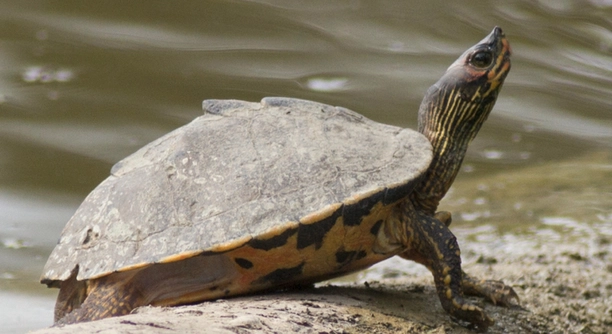
Many pet owners are concerned about the well-being of their Indian Roofed Tortoise, especially when it gets stuck on its back. Understanding how to prevent this issue can make a big difference in their health and safety.
To prevent an Indian Roofed Tortoise from getting stuck on its back, provide a safe and spacious enclosure with proper hiding spots. Ensure the substrate is not too slippery, and avoid overcrowding. Regularly check their habitat for hazards.
Taking simple precautions can help prevent a distressing situation for your tortoise. By following these tips, you’ll create a safer environment for your pet.
Why Do Indian Roofed Tortoises End Up on Their Backs?
Indian Roofed Tortoises, like many other species, have a hard time flipping themselves over when they end up on their backs. Their domed shells and stiff limbs make it difficult for them to regain balance. When placed on their backs, they often struggle to turn back over due to their shape and weight distribution. The harder the surface they are on, the more difficult it is for them to move. This can be especially problematic if they are in an enclosure with smooth flooring or slippery surfaces. Over time, if left in such a position, they may suffer from stress, dehydration, or even physical injury.
Understanding the reasons behind their inability to flip back over is crucial to ensuring they stay safe. The tortoise’s environment and the surfaces they interact with are significant factors. If the surface is too smooth or doesn’t allow for traction, the tortoise will struggle more. Additionally, a lack of places to hide or climb may prevent them from moving easily.
Their environment plays a big role in keeping them safe and comfortable. When creating a habitat, try to include natural materials like rocks, logs, and varied surfaces that allow the tortoise to navigate with ease. The goal is to make the enclosure as natural as possible, where the tortoise can safely move without the risk of being stuck.
How to Set Up a Safe Environment
Make sure the enclosure offers various surfaces and hiding places.
Incorporating both rough and smooth surfaces can provide stability for your tortoise and prevent accidents. Adding rocks, logs, or even a gentle slope can help them flip back over if they get stuck. These natural obstacles also give them the opportunity to climb and move freely. Avoid smooth plastic or slippery tiles, as they can make movement more difficult. Additionally, the size of the enclosure matters. If it’s too small or cramped, the tortoise may not have the space to move around comfortably, increasing the chances of them getting stuck. The more varied the habitat, the better.
Importance of Proper Substrate
Choosing the right substrate for your tortoise’s enclosure is essential for their safety and comfort. Soft, loose substrate like sand or soil allows for better traction and prevents slipping, while also providing a natural feel. Avoid using materials like gravel or smooth tiles, as they can cause more harm than good. A firm yet comfortable base helps prevent your tortoise from ending up on its back in the first place.
The right substrate also keeps your tortoise comfortable and healthy. Loose soil or a mix of coconut husk and sand can mimic natural conditions, allowing your tortoise to dig and move freely. It’s important to regularly change the substrate, as it can become soiled and unsuitable over time. By providing an ideal substrate, you ensure your tortoise’s habitat remains safe and clean, preventing them from becoming stuck.
Always monitor the substrate and its condition regularly. If it becomes too compacted or too slippery, replace it immediately. Over time, this practice will reduce the risk of your tortoise encountering hazards that might leave them in a vulnerable position.
Keeping the Habitat Spacious
A spacious enclosure is critical for your tortoise’s well-being.
When a tortoise has enough space to roam and explore, it’s less likely to encounter problems like getting stuck on its back. A cramped environment makes movement more difficult, increasing the chances of accidents. Ideally, the enclosure should be large enough for your tortoise to turn around, stretch out, and find multiple hiding spots. More space provides freedom and comfort.
Having more space also means you can create different levels or sections in the habitat. Tortoises are naturally curious and enjoy exploring various parts of their enclosure. A larger space allows for the inclusion of rocks, logs, or even ramps to encourage activity. A spacious setup reduces the likelihood of stress, which can also lead to physical accidents. The more room you give your tortoise, the less likely it is for them to be stuck in an uncomfortable position.
Avoiding Overcrowding
Overcrowding a tortoise’s habitat can lead to stress and limited movement. If multiple animals share the space, it may not leave enough room for each one to move freely. When space is tight, the risk of accidents increases, including a tortoise being flipped onto its back.
Ensure that each tortoise has enough space to roam comfortably. If you have more than one tortoise, make sure each one has its own area where it can move around without feeling trapped. Keeping the environment calm and spacious helps prevent physical mishaps.
Adding Hiding Spots
Providing hiding spots can help your tortoise feel secure.
Tortoises love having areas to retreat and rest. Hiding spots reduce stress and give your pet a place to relax. These spots can also provide obstacles that help prevent them from rolling onto their back. Create areas using rocks, logs, or even overturned boxes.
FAQ
Why do Indian Roofed Tortoises get stuck on their backs?
Indian Roofed Tortoises have a high, domed shell and short limbs, which makes it difficult for them to flip back over when they end up on their backs. Their body structure limits mobility, and they lack the strength to right themselves. In an environment with slippery surfaces or too much clutter, this problem becomes even more likely. Additionally, some tortoises may become disoriented or stressed, which can contribute to them getting stuck. Keeping the environment stable and providing enough room for movement helps reduce these occurrences.
What should I do if my tortoise gets stuck on its back?
If you find your tortoise on its back, gently and carefully flip it over. Avoid using excessive force, as this can cause injury. Once it’s upright, observe its condition closely. If it seems disoriented or weak, let it rest in a safe, quiet spot. Always check the habitat to ensure there are no immediate dangers like sharp objects or hazards that could cause further problems.
How often should I check on my tortoise to prevent it from getting stuck?
It’s a good idea to check on your tortoise daily. Frequent checks help ensure the enclosure remains safe and clear of any obstacles that might cause harm. While a tortoise is relatively low-maintenance, daily observation allows you to spot potential issues before they become serious problems, such as an unsafe environment or lack of space.
Can the temperature of the enclosure affect my tortoise getting stuck?
Yes, temperature can play a role. If the enclosure is too hot or too cold, your tortoise might become sluggish, which can make it harder for them to move or right themselves if they fall. The ideal temperature for an Indian Roofed Tortoise is between 75°F and 85°F. Make sure there are warm and cooler areas in the habitat so your tortoise can regulate its body temperature.
What are the signs that my tortoise is stressed?
Stressed tortoises may hide more than usual, exhibit erratic movements, or refuse to eat. If your tortoise is consistently in one position and not exploring or responding to food, it could be a sign of stress. Physical signs like excessive breathing or pacing could also indicate discomfort. Stress can make your tortoise more prone to accidents. Ensure that your habitat is spacious, clean, and provides plenty of hiding spots to reduce anxiety.
Is it safe for my tortoise to have other animals in the same enclosure?
It’s generally not recommended to house multiple animals together, especially if they are not the same species. Larger animals could inadvertently harm your tortoise, or the tortoise may feel threatened, leading to stress. If you do choose to house multiple animals, ensure that each has enough space and separate hiding areas. Tortoises are solitary creatures and can become easily stressed when forced into close quarters with other species.
What type of substrate is best for preventing my tortoise from getting stuck?
A soft, loose substrate such as coconut coir or a mix of soil and sand works well for providing traction and comfort. Avoid materials like smooth tiles, gravel, or synthetic materials, as they can increase the risk of slipping. The substrate should be deep enough to allow your tortoise to dig and burrow without getting stuck. Regularly clean the substrate to avoid mold or bacteria build-up, which can also harm your tortoise.
Can I use a ramp or ledge to help my tortoise?
Yes, adding a ramp or small ledge can encourage your tortoise to move around more naturally. Just make sure the ramp is not too steep or difficult to climb, as that could create more problems. Gradual slopes made from smooth, non-slip materials like cork bark or rocks can be useful. These will help the tortoise move around more safely and prevent accidents that might lead to getting stuck.
How do I know if the enclosure is big enough for my tortoise?
The enclosure should provide ample space for your tortoise to roam, turn around, and rest comfortably. A general rule of thumb is that the enclosure should be at least four times the length of your tortoise’s shell. More space is always better, especially if you want to include various obstacles and hiding spots. Overcrowding a small space can increase stress and limit your tortoise’s ability to move freely. Regularly assess if the habitat is still suitable as your tortoise grows.
Can I leave my tortoise outside?
While Indian Roofed Tortoises can be left outside in warm, safe environments, they should never be left unsupervised. The outdoors can present unexpected hazards such as predators, extreme temperatures, or dangerous plants. If you decide to let your tortoise explore outside, ensure the area is securely enclosed and free of potential dangers. Always supervise outdoor time and bring your tortoise back inside after a few hours to avoid exposure to extreme conditions.
How can I encourage my tortoise to stay active?
Tortoises naturally enjoy exploring and moving around. Providing a variety of textures, like rocks, logs, and plants, encourages exploration. You can also add objects like ramps or small climbing structures that are safe for them to navigate. Changing the layout of their enclosure occasionally will also help keep them mentally stimulated and physically active. A healthy level of activity reduces the chances of them becoming stuck or stressed.
Final Thoughts
Caring for an Indian Roofed Tortoise requires attention to detail, especially when it comes to preventing accidents like getting stuck on their back. Their unique body shape, combined with their natural curiosity, makes it important to provide a safe and comfortable habitat. By creating a spacious enclosure with plenty of varied surfaces, hiding spots, and the right substrate, you can significantly reduce the risk of your tortoise getting into a difficult situation. A habitat that mimics their natural environment not only keeps them safe but also ensures their well-being and happiness. It’s important to regularly check the enclosure and make sure the space remains free of hazards that could cause harm.
In addition to providing a safe environment, it’s crucial to be aware of your tortoise’s behavior and needs. Stress, improper diet, or incorrect temperatures can make your tortoise more vulnerable to accidents. It’s essential to create a routine that includes monitoring their health, ensuring they have the right temperature and humidity, and giving them plenty of space to roam. These small but significant steps will help avoid stress and encourage a more active, healthy tortoise. Consistent care, regular observation, and appropriate habitat adjustments are all part of the process to keep your tortoise safe and content.
By understanding the challenges that come with owning a tortoise and making simple adjustments to their living space, you can prevent many common issues. Keeping the habitat spacious, avoiding overcrowding, and adding elements like ramps or natural obstacles will make a big difference in the safety of your tortoise. If an accident does occur, don’t panic—carefully help them back onto their feet and assess whether they need any extra care. With the right precautions and regular attention, your tortoise will have a happy, safe life in its home.

Hello,
If you enjoy the content that we create, please consider saying a "Thank You!" by leaving a tip.
Every little bit helps us continue crafting quality advice that supports the health, happiness, and well-being of pets around the world, for pets of all shapes, sizes, and species.
We really appreciate the kindness and support that you show us!