
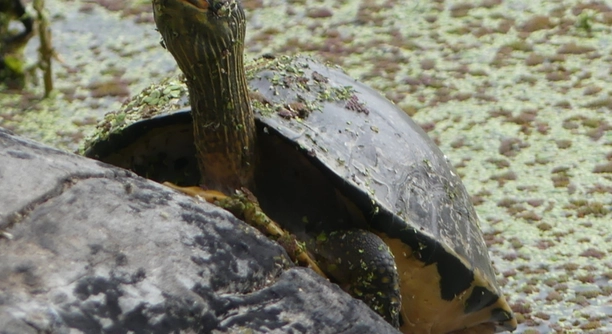
Is your Indian Roofed Tortoise sneezing more often than usual? Sneezing in tortoises can be concerning, especially when it happens frequently. Understanding the possible reasons behind this behavior is essential to ensure your pet stays healthy and comfortable.
The most common reason your Indian Roofed Tortoise keeps sneezing is a respiratory infection caused by poor husbandry. Inadequate humidity, low temperatures, and dirty enclosures can weaken their immune system, making them more susceptible to bacterial and fungal infections.
Environmental factors play a significant role in your tortoise’s well-being. Proper humidity levels, a clean habitat, and a balanced diet help prevent respiratory issues and promote a healthy lifestyle for your pet.
Common Causes of Sneezing in Indian Roofed Tortoises
Sneezing in Indian Roofed Tortoises is often caused by environmental factors. If their enclosure is too dry or dusty, it can irritate their respiratory system. Poor ventilation and unclean bedding may also contribute to frequent sneezing. Additionally, exposure to strong odors from cleaning products or scented items can cause discomfort. In some cases, a sudden change in temperature can weaken their immune system, making them more susceptible to respiratory issues. A lack of proper UVB lighting can also impact their overall health, leading to complications that include sneezing. Ensuring the right conditions in their habitat is essential for preventing respiratory problems.
Respiratory infections are another common reason for sneezing. These infections often develop when humidity and temperature levels are not properly maintained. Tortoises with infections may also show signs like nasal discharge, wheezing, or lack of appetite. Addressing these issues early can prevent serious health problems.
If sneezing is persistent, consider making changes to their environment. Increasing humidity, keeping their enclosure clean, and providing fresh air circulation can help. It is also important to monitor their behavior for any additional signs of illness. Simple adjustments can make a big difference in keeping your tortoise comfortable and healthy.
How to Prevent and Treat Sneezing
Maintaining a clean and well-regulated enclosure is the best way to prevent sneezing. Regularly removing waste, using dust-free substrate, and avoiding strong chemicals will reduce irritation. Providing fresh water and a proper diet also supports their immune system and overall well-being.
If your tortoise is already sneezing frequently, start by checking their living conditions. Ensure the temperature and humidity levels are within the recommended range. A warm and slightly humid environment helps prevent respiratory issues. UVB lighting is also essential for their health, so make sure they have adequate exposure. If the sneezing is accompanied by other symptoms like lethargy or nasal discharge, a visit to a reptile veterinarian may be necessary. They can assess the situation and provide the right treatment if an infection is present.
Making small changes in their care routine can significantly improve their health. Providing a stress-free, clean, and properly maintained habitat helps prevent common respiratory problems. With the right attention and care, your Indian Roofed Tortoise can live a happy and healthy life.
Signs That Your Tortoise May Be Sick
Frequent sneezing, nasal discharge, and wheezing are signs that your tortoise may be unwell. Lethargy, loss of appetite, and swollen eyes can also indicate a health problem. Monitoring their behavior and physical condition can help you detect issues early.
A tortoise that sneezes occasionally without other symptoms is likely reacting to environmental irritants. However, if sneezing is accompanied by mucus, labored breathing, or excessive yawning, a respiratory infection may be developing. Other warning signs include gaping mouth movements and decreased activity levels. Addressing these symptoms quickly can prevent the illness from worsening.
If your tortoise is not eating, appears weak, or has unusual stool, they may have an underlying health issue. Shell discoloration or softening can signal metabolic bone disease, while excessive scratching may indicate parasites. Any persistent or worsening symptoms should be checked by a reptile veterinarian to ensure proper treatment.
When to Seek Veterinary Care
If your tortoise continues sneezing despite environmental adjustments, a vet visit may be necessary. Respiratory infections require medical attention, especially if nasal discharge or difficulty breathing is present. Ignoring symptoms can lead to more severe complications, making early intervention essential for your pet’s well-being.
A veterinarian will conduct a thorough examination to determine the cause of sneezing. They may check for bacterial or fungal infections, perform X-rays, or assess your tortoise’s overall health. Treatment may include antibiotics, antifungal medication, or supportive care like hydration and temperature regulation. Providing your vet with details about your tortoise’s environment and recent behavior can help with diagnosis.
Consistent care and observation can prevent serious health issues. Keeping a record of your tortoise’s habits, diet, and any changes in behavior can assist in early detection. If symptoms persist or worsen, professional veterinary care is the best way to ensure your tortoise remains healthy and comfortable.
Proper Habitat Conditions to Prevent Sneezing
Humidity levels should be kept between 60-80% to prevent respiratory issues. Using a hygrometer helps maintain proper moisture levels. Misting the enclosure and providing a shallow water dish can help keep humidity stable without making the environment too damp.
A clean enclosure reduces dust and bacteria that can irritate your tortoise’s respiratory system. Replace bedding regularly, use a dust-free substrate, and remove waste daily. Proper ventilation also prevents stale air buildup, which can contribute to breathing difficulties.
Importance of a Balanced Diet
A healthy diet strengthens the immune system, reducing the risk of infections. Fresh leafy greens, vegetables, and calcium supplements are essential. Avoid feeding excessive fruits or processed foods, as they can cause digestive problems and weaken overall health. Providing clean, fresh water daily is also necessary to keep your tortoise hydrated and healthy.
Final Thoughts
Proper care and attention help prevent common health problems like sneezing. Maintaining a clean habitat, stable humidity levels, and a nutritious diet ensures your tortoise stays healthy. Regular monitoring and quick action when symptoms appear can prevent minor issues from becoming serious health concerns.
FAQ
Why is my Indian Roofed Tortoise sneezing without other symptoms?
Occasional sneezing without other signs of illness is usually caused by environmental factors. Dusty substrate, low humidity, or strong odors from cleaning products can irritate their respiratory system. Keeping their habitat clean, well-ventilated, and maintaining proper humidity levels can help reduce sneezing.
Can dry air make my tortoise sneeze?
Yes, dry air can cause sneezing by irritating the nasal passages. Indian Roofed Tortoises need a humidity level of 60-80% to stay healthy. If the air is too dry, consider misting the enclosure, adding a humidity hide, or placing a shallow water dish to maintain moisture levels.
What type of bedding is best for preventing respiratory irritation?
A dust-free, natural substrate like coconut coir, cypress mulch, or a mix of soil and sand is ideal. Avoid dusty materials like sawdust or wood shavings, as they can cause respiratory irritation. Regularly replacing bedding and keeping it slightly moist can help prevent sneezing.
Should I be worried if my tortoise sneezes after eating?
If your tortoise sneezes occasionally after eating, it may be due to small food particles irritating its nose. However, if sneezing is frequent or accompanied by nasal discharge, wheezing, or loss of appetite, it could indicate a respiratory infection that needs veterinary attention.
How can I tell if my tortoise has a respiratory infection?
Common signs of a respiratory infection include frequent sneezing, nasal discharge, wheezing, open-mouth breathing, and lethargy. Some tortoises may also lose their appetite or become less active. If you notice these symptoms, consult a reptile veterinarian for diagnosis and treatment.
Can poor diet contribute to respiratory issues?
Yes, a lack of essential nutrients can weaken the immune system, making your tortoise more susceptible to infections. A diet rich in leafy greens, vegetables, and calcium supplements helps maintain overall health. Providing fresh water daily is also important to prevent dehydration and support respiratory function.
How do I clean my tortoise’s enclosure properly?
Spot-clean daily by removing waste and leftover food. Replace bedding regularly and deep-clean the enclosure with reptile-safe disinfectants once a month. Avoid strong-smelling cleaners, as they can irritate your tortoise’s respiratory system. Good ventilation also helps keep the habitat fresh and healthy.
Can stress cause sneezing in tortoises?
Yes, stress weakens the immune system and makes tortoises more vulnerable to respiratory issues. Frequent handling, sudden temperature changes, loud noises, or an improper habitat setup can cause stress. Providing a stable, quiet environment with hiding spots can help reduce stress-related health problems.
When should I take my tortoise to the vet for sneezing?
If sneezing persists despite improving habitat conditions, or if other symptoms like nasal discharge, breathing difficulties, or lethargy appear, a vet visit is necessary. Respiratory infections can become serious if left untreated, so early medical intervention is important for recovery.
Does temperature affect respiratory health in tortoises?
Yes, incorrect temperatures can lead to respiratory problems. If the habitat is too cold, the immune system weakens, increasing the risk of infections. Maintain a basking spot of 85-90°F (29-32°C) and an ambient temperature of 75-80°F (24-27°C) to keep your tortoise healthy.
How can I boost my tortoise’s immune system?
Providing a proper diet, clean environment, and correct temperatures will support immune health. Regular exposure to UVB lighting helps with calcium absorption and overall well-being. Avoiding stress, maintaining proper humidity, and offering fresh water daily also contribute to a stronger immune system.
Can my tortoise catch a cold from humans?
No, tortoises cannot catch colds from humans. However, they can develop respiratory infections caused by bacteria or fungi. Ensuring their habitat remains clean, warm, and properly humidified will help prevent illness. If they show signs of infection, veterinary care is needed.
Is sneezing normal for tortoises?
Occasional sneezing can be normal, especially if caused by dust or food particles. However, frequent sneezing or sneezing with other symptoms may indicate a health problem. Monitoring their behavior and adjusting their habitat as needed can help keep them healthy.
Final Thoughts
Keeping your Indian Roofed Tortoise healthy requires attention to its environment, diet, and overall well-being. Sneezing can be a minor issue caused by dust or dry air, but it can also be a sign of something more serious, like a respiratory infection. Maintaining proper humidity, a clean enclosure, and a balanced diet helps reduce the risk of respiratory issues. Monitoring your tortoise for additional symptoms, such as nasal discharge, wheezing, or lethargy, is important. If sneezing continues despite making improvements, seeking veterinary care is the best way to ensure your tortoise gets the help it needs. Small changes in care can make a big difference in preventing health problems.
A well-maintained habitat plays a key role in keeping your tortoise comfortable and healthy. Keeping humidity levels between 60-80%, using a dust-free substrate, and ensuring proper ventilation can help prevent respiratory irritation. A clean habitat reduces the buildup of bacteria and mold, which can contribute to sneezing and infections. Providing fresh water daily and feeding a variety of leafy greens and vegetables also supports their immune system. UVB lighting is another essential factor in keeping your tortoise strong and healthy. Proper lighting ensures they absorb enough calcium, preventing metabolic issues that could weaken their immune system.
Caring for a tortoise requires consistency and patience. Regularly checking their behavior, adjusting their habitat as needed, and responding to any changes in their health can prevent minor issues from turning into serious problems. While occasional sneezing is not always a cause for concern, frequent sneezing combined with other symptoms should not be ignored. By staying observant and providing the right care, you can ensure your tortoise remains happy and healthy for years to come.

Hello,
If you enjoy the content that we create, please consider saying a "Thank You!" by leaving a tip.
Every little bit helps us continue crafting quality advice that supports the health, happiness, and well-being of pets around the world, for pets of all shapes, sizes, and species.
We really appreciate the kindness and support that you show us!