
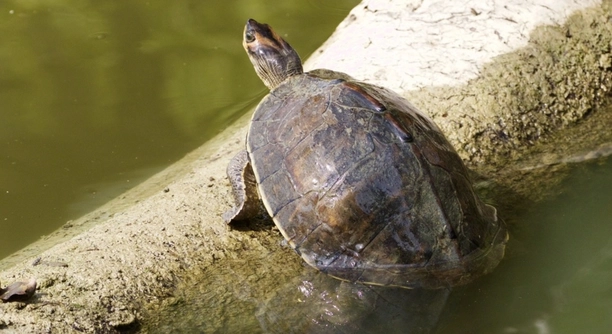
Introducing live plants to your Indian roofed tortoise’s tank can be a rewarding experience, enhancing both their habitat and health. Knowing how to safely introduce plants will ensure your pet thrives in a vibrant, natural environment.
To safely add live plants to your tortoise’s tank, choose species that are non-toxic, suitable for tortoises, and can withstand their behavior. Ensure plants are securely anchored and that the water and substrate are compatible with plant growth.
This guide will help you navigate the steps and considerations necessary for a successful plant introduction, ensuring your tortoise’s tank flourishes without harm.
Choosing the Right Plants for Your Indian Roofed Tortoise Tank
When selecting plants for your Indian roofed tortoise’s tank, it’s important to choose species that won’t harm your pet. Some plants can be toxic to tortoises if they nibble on them. Look for plants that are safe and provide a natural, enriching environment. Aquatic plants, such as Anubias, Java fern, and duckweed, are great options because they thrive in the humidity and moisture of the tank. Some non-toxic terrestrial plants, like clover, dandelions, and hibiscus, can also work well. These plants are not only safe but can also serve as a source of food and enrichment for your tortoise.
When choosing plants, consider their size and maintenance needs. Larger plants can offer hiding spaces and basking spots for your tortoise, while smaller ones can add variety and texture. Ensure the plants are easy to care for, as keeping the tank healthy requires regular maintenance. Healthy plants will support a clean and natural environment for your tortoise to explore and enjoy.
It’s best to use plants that are easy to maintain and can handle the humidity and temperature of your tortoise’s tank. Non-toxic plants are a must to avoid any health risks.
While selecting plants, consider whether your tortoise might try to eat them. Some tortoises are more curious about plants than others, and certain species may be more prone to nibbling. If this happens, choose plants that can regrow or recover from occasional bites. It’s also important to ensure the plants you select won’t outgrow the tank, taking up too much space or blocking the tortoise’s movement. Keep the plant selection simple and manageable for both you and your pet.
Preparing the Tank for Plant Addition
Before adding live plants, the tank environment needs to be prepared. Start by cleaning the substrate, removing any debris or old plant matter that might harm the new plants. It’s essential to use a substrate that is suitable for plant growth. Coconut coir, organic soil, or a mixture of sand and topsoil can provide a good foundation. Some plants may also benefit from a layer of nutrient-rich soil beneath the surface. Make sure the substrate is deep enough for plant roots to anchor securely.
After preparing the substrate, you’ll need to adjust the lighting and water conditions. Plants need proper light to thrive, so ensure the tank has an appropriate light source, whether it’s a UVB light or a low-maintenance LED light. Too much light can promote algae growth, so moderate it accordingly. If you are using aquatic plants, ensure the water is clean and filtered. A proper water filtration system is vital for maintaining a healthy tank environment. The temperature of the water should also be within a comfortable range for your tortoise and the plants.
Finally, make sure the tank’s temperature is stable. Plants and tortoises both benefit from a consistent, warm environment. This will support healthy plant growth and create a thriving tank habitat.
Planting Techniques for a Secure Fit
To ensure your plants are secure in the tank, gently press them into the substrate. Use a mix of rocks or pebbles to help anchor the roots if necessary. Make sure the plants are not too crowded, as they need space to grow and thrive. This also helps maintain airflow for both the plants and your tortoise.
For aquatic plants, place them in areas where the water is calm but not stagnant. You can use small baskets or mesh pots to hold the plants in place. Ensure the plants’ roots are submerged properly, but avoid overplanting, as it could lead to poor water circulation. Monitor the placement closely, especially during the first few days, to check that everything is stable. With terrestrial plants, try not to bury the roots too deeply, as this could restrict their growth. Once positioned correctly, the plants should stay in place without shifting.
Maintenance and Monitoring Plant Health
Keeping the plants healthy is an ongoing task. Regularly trim dead or decaying leaves to prevent them from affecting the water quality or creating excess debris in the tank. Inspect the plants for signs of pests or disease, and remove any affected parts promptly to avoid spreading problems. Some plants may also need to be pruned to keep them from overtaking the tank. Monitor plant growth regularly and adjust their positioning or remove any overgrown sections.
If your aquatic plants seem to be growing too quickly or not fast enough, adjust the lighting or water temperature. Similarly, for terrestrial plants, ensure they get enough natural light or artificial light if necessary. Over time, you may need to replace plants that are no longer thriving, so always have a backup plan. Using plant fertilizers specifically designed for your tank’s environment can also help encourage healthy growth without harming the tortoise.
Avoiding Toxic Plants
When adding plants, make sure they are safe for your tortoise. Many common houseplants can be toxic, so avoid species like ivy, lilies, and daffodils. These plants may seem harmless but could cause serious harm if your tortoise eats them. Always research plant safety before adding anything new.
There are many safe options available, such as hibiscus, dandelions, and clover, which are not only harmless but beneficial to your tortoise’s diet. Choose plants that are commonly found in their natural habitat, as they’re more likely to thrive in the tank’s conditions and be healthy for your pet.
Creating a Balanced Environment
Maintaining a balance between plants and your tortoise’s space is important. Too many plants can crowd the tank, making it difficult for your tortoise to roam. Ensure there is enough space for them to move around and bask under the light. This way, they can interact with the plants without feeling confined.
Make sure to regularly check that plants aren’t blocking any key pathways or hiding spots for your tortoise. Giving your tortoise freedom to explore while providing a safe, enriched environment is key to both their well-being and the health of the plants. Balance is essential.
Plant Growth in Different Seasons
Plants grow differently depending on the season, so be prepared for changes in growth patterns. In warmer months, plants tend to grow more quickly, while in colder months, growth slows down. This can affect the overall look of the tank, but it’s completely natural.
FAQ
What types of plants are safe for my Indian Roofed Tortoise?
Non-toxic plants are the safest for your tortoise. Some good options include dandelions, clover, hibiscus, and nasturtiums. Aquatic plants like Anubias, Java fern, and duckweed are also safe choices. Always check that the plant you’re adding isn’t harmful to reptiles before placing it in the tank. Make sure the plants you select are also sturdy enough to withstand any nibbling from your tortoise.
Can I use any soil for the plants in my tortoise’s tank?
Not all soil is ideal for your tortoise’s tank. Avoid using regular potting soil that contains chemicals or fertilizers, as they can be harmful to your tortoise. Opt for organic soil, coconut coir, or a mix of sand and topsoil. These substrates are more natural and safer for both the plants and your pet. Also, make sure the soil is deep enough for the roots to anchor properly. Healthy soil encourages healthy plant growth, which improves the overall environment for your tortoise.
How often should I water the plants?
Watering needs depend on the type of plants you choose. For aquatic plants, ensure the water remains consistently moist and clean. They thrive in well-maintained water, and regular water changes will help keep them healthy. For terrestrial plants, water them when the soil feels dry, but don’t overwater. Aquatic plants may also need to be trimmed regularly to avoid overcrowding. Keep an eye on the moisture levels and adjust as necessary to prevent over-watering, which can lead to mold or rot.
Can I use artificial plants instead of live ones?
While artificial plants won’t offer the same environmental benefits as live ones, they can still create a pleasant and stimulating environment for your tortoise. Artificial plants won’t require as much care, but they don’t contribute to a natural ecosystem. If you choose to use artificial plants, be sure they are made of non-toxic materials. Be mindful of sharp edges that could harm your tortoise if it tries to nibble on them. Live plants, however, provide a more enriching environment, improve air quality, and may even serve as a food source for your tortoise.
How do I prevent plants from floating in the water?
Floating aquatic plants can be annoying, but they can be managed. Use plant weights, mesh pots, or baskets to anchor them. Placing the roots in the substrate can also help keep them in place. If the plants are too light, they might float to the surface, disrupting the tank’s appearance. You can also try adding heavier rocks or pebbles around the plant base to ensure stability. If needed, you can trim the plants to reduce their buoyancy.
What should I do if my tortoise starts eating the plants?
If your tortoise eats your plants, there’s a chance they may be attracted to them for food. Some plants are safe for tortoises to nibble on, such as dandelions or clover, but others may not be. Make sure to remove any toxic plants from the tank immediately. If the plants you’ve selected are safe, your tortoise may be just exploring or seeking additional nutrients. You can provide more edible options by adding more tortoise-safe plants to their diet. If the nibbling becomes excessive, you can try placing some plants in areas less accessible to your tortoise.
Should I fertilize the plants in my tortoise’s tank?
Fertilizing the plants is generally not necessary if you have a healthy tank environment. However, if you want to promote faster plant growth, you can use organic or non-toxic plant fertilizers. Avoid chemical fertilizers, as they can harm your tortoise. A slow-release, natural fertilizer can be used sparingly. Be cautious with the amount to prevent any buildup that could harm the water quality. You may also find that the plants naturally thrive without extra fertilization if they’re in a stable, balanced tank environment.
How do I prevent algae growth in the tank?
Algae growth is a common issue in tanks with live plants, but it can be managed. Reduce the amount of direct light to prevent algae from thriving. Too much light can cause excessive algae growth, especially in aquatic plants. Regular water changes, proper filtration, and removing any visible algae manually will help keep the tank clean. You can also consider using snails or algae-eating fish, but be cautious when adding new species, as they might not always be compatible with your tortoise. Keep the tank’s overall balance in check to minimize algae problems.
Can I add plants in a tank with a filter?
Yes, you can add plants to a tank with a filter. In fact, a filter is beneficial for keeping the water clean and promoting plant growth. However, ensure the filter’s current isn’t too strong, as it may uproot or damage delicate plants. Position plants in areas where the water flow is gentle to avoid disturbing them. Keep an eye on the water quality, as a filter can sometimes remove too many nutrients, which might affect plant health. Adjust the filter settings if needed to ensure the plants thrive.
How do I trim plants without damaging them?
Trimming plants carefully is key to keeping them healthy and preventing overgrowth. Use clean, sharp scissors or pruning shears to cut away dead or yellowing leaves. When trimming aquatic plants, be sure to cut them just above the root or base to allow for regrowth. For terrestrial plants, avoid cutting too much at once. Trim sparingly, focusing on dead or damaged parts. Be gentle and avoid damaging healthy stems or leaves, as this can stunt plant growth. Regular maintenance will ensure the plants continue to thrive in your tortoise’s tank.
Final Thoughts
Introducing live plants into your Indian roofed tortoise tank can be a rewarding experience for both you and your pet. Not only do plants improve the tank’s aesthetic, but they also provide numerous benefits for your tortoise. They offer natural hiding spots, enrich the environment, and can even serve as a source of food. The right plants can create a more stimulating habitat, allowing your tortoise to express natural behaviors, such as foraging and exploring. Choosing the right plants is essential, so it’s important to do some research to ensure they are safe and appropriate for your tortoise’s needs.
Caring for live plants in your tortoise’s tank isn’t overly complicated, but it does require some attention and maintenance. Regular pruning, proper watering, and ensuring plants are securely placed will help them thrive. Be mindful of your tortoise’s behavior around plants, as some might enjoy nibbling on them. It’s crucial to use non-toxic plants and monitor the tank environment closely, adjusting as needed for plant growth and tortoise comfort. The balance between providing a comfortable space for your tortoise and maintaining healthy plants is key to ensuring a thriving ecosystem in the tank.
While it may take some time for the plants to grow and establish themselves in the tank, the end result will be a more natural, enriched environment for your tortoise. With a bit of patience and the right care, your tortoise will benefit from the plants, and you’ll have a more vibrant and enjoyable tank. Keep in mind that plant growth can vary based on the seasons and environmental factors, so be prepared for changes in the tank’s appearance. By consistently monitoring the plants and making small adjustments, you can ensure a happy, healthy space for your tortoise to live in.

Hello,
If you enjoy the content that we create, please consider saying a "Thank You!" by leaving a tip.
Every little bit helps us continue crafting quality advice that supports the health, happiness, and well-being of pets around the world, for pets of all shapes, sizes, and species.
We really appreciate the kindness and support that you show us!