
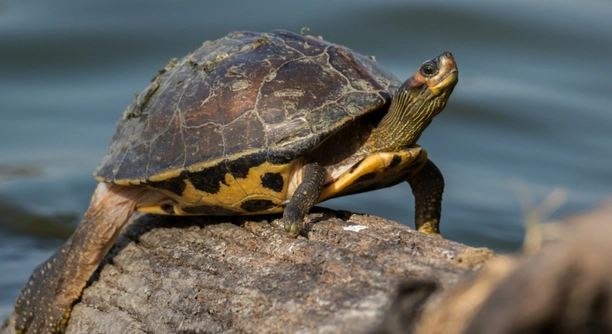
Is your Indian roofed tortoise shedding, and you’re unsure if it’s normal? Shedding is a natural process, but sometimes it can be a sign of underlying issues. Understanding the difference is essential for keeping your tortoise healthy and happy.
Indian roofed tortoises shed naturally in thin, translucent layers from their shell and skin. Normal shedding occurs gradually without redness, swelling, or foul odor. If shedding appears excessive, uneven, or is accompanied by wounds, it may indicate a health concern.
Shedding is a fascinating part of your tortoise’s growth and maintenance. Knowing the signs of healthy shedding will help you provide the best care and ensure your pet stays in great condition.
Signs of Normal Shedding
Indian roofed tortoises shed their scutes and skin in small, thin layers. The process is slow and does not cause discomfort. Healthy shedding happens naturally as the tortoise grows, and old layers flake off over time. Shell scutes may appear slightly loose before shedding, revealing a fresh layer underneath. Skin shedding is typically light and occurs in small patches. There should be no bleeding, swelling, or unusual softness. Proper humidity and a well-balanced diet help ensure the shedding process remains smooth. If the tortoise is active, eating well, and showing no signs of irritation, the shedding is likely normal.
If the shell appears glossy or the skin peels off evenly without raw spots, there is no need to worry. Normal shedding is a sign that your tortoise is growing and maintaining its health. Regular observation will help you distinguish between healthy shedding and potential problems.
To support normal shedding, ensure your tortoise has access to a proper basking area, clean water, and a calcium-rich diet. Good lighting and a stable environment help maintain healthy shell and skin conditions. If shedding becomes excessive or appears unusual, making small adjustments to diet and habitat may help regulate the process.
Warning Signs of Problematic Shedding
If shedding appears uneven, exposes raw skin, or has a bad smell, there may be an issue. White patches, deep cracks, or excessive flaking can indicate infection or nutritional deficiencies.
Infections often occur when the habitat is too damp, leading to shell rot. If shedding is irregular or leaves behind rough, dry patches, the tortoise might need more humidity. Nutrient imbalances, especially a lack of calcium or vitamin D3, can weaken the shell and cause abnormal peeling. Stress, poor lighting, and incorrect temperatures can also contribute to problematic shedding. Tortoises need UVB lighting to process calcium properly, so a lack of exposure can lead to health issues. In severe cases, shell deformities or skin infections may develop. Regularly checking for signs of swelling, foul odors, or unusual changes in texture can help prevent these problems.
If your tortoise’s shedding seems abnormal, assess its living conditions. Make sure it has proper humidity, a balanced diet, and enough UVB light. If symptoms persist or worsen, a reptile veterinarian can provide further guidance and treatment.
How to Support Healthy Shedding
Providing the right humidity is essential. Indian roofed tortoises need a moderate humidity level to shed properly. If the environment is too dry, shedding may become difficult, leading to retained scutes or flaky skin. Regular misting and a shallow water dish help maintain proper moisture levels.
A well-balanced diet promotes healthy skin and shell growth. Calcium and vitamin D3 are crucial for preventing abnormal shedding. Leafy greens, cuttlebone, and calcium supplements support shell strength. Avoid excessive protein, as it can lead to rapid growth and improper shedding. Hydration is also important, so fresh water should always be available.
A proper basking setup is necessary. UVB lighting helps process calcium and maintain a strong shell. A basking area around 90°F ensures the tortoise can regulate its body temperature. Without these essentials, shedding problems may occur, leading to long-term health issues that require veterinary attention.
Common Mistakes to Avoid
Overhandling during shedding can cause stress. Tortoises need time to shed naturally, and picking at loose scutes or peeling skin can lead to irritation or infection. Let the process happen on its own without interference.
Improper habitat conditions can lead to excessive shedding. Low humidity, poor lighting, or a lack of nutrients can make shedding more difficult. Keeping the enclosure clean and maintaining a stable environment will help prevent issues. A varied diet with fresh vegetables and calcium ensures proper shell and skin maintenance.
Ignoring early signs of trouble can result in bigger health problems. If shedding looks abnormal, it is best to assess the tortoise’s habitat and diet. Making small adjustments can often fix minor issues, but if shedding worsens or signs of infection appear, a reptile veterinarian should be consulted.
When to Seek Veterinary Help
Shedding that exposes raw skin, emits a foul odor, or results in bleeding requires medical attention. These signs may indicate an infection or underlying health issue. Delaying treatment can make the condition worse and lead to long-term damage. A veterinarian can diagnose the problem and provide appropriate care.
If shedding is excessive, irregular, or accompanied by lethargy and appetite loss, it may be a sign of illness. Shell rot, fungal infections, and metabolic bone disease are common concerns. A vet can assess the tortoise’s overall health and recommend changes in diet, habitat, or medication if needed.
Safe Ways to Help with Shedding
A shallow soak in lukewarm water for 10–15 minutes can help loosen stuck scutes and dry skin. This should only be done occasionally and under supervision. A damp hide in the enclosure can also provide extra moisture without disrupting the tortoise’s routine.
Final Thoughts
Observing shedding patterns helps detect early signs of health issues. Keeping the habitat well-maintained and providing proper nutrition will ensure smooth shedding. If anything seems unusual, small adjustments can often fix the problem, but professional advice is always best when concerns arise.
FAQ
Is it normal for my Indian roofed tortoise to shed in pieces?
Yes, it is normal for Indian roofed tortoises to shed their scutes and skin in pieces. The shedding process occurs gradually, with layers coming off in thin, translucent sections. This natural process helps them grow and maintain a healthy shell. If the shedding is consistent and there are no signs of infection or irritation, it’s nothing to worry about.
How often do Indian roofed tortoises shed?
Indian roofed tortoises typically shed once or twice a year, but the frequency can vary depending on their age, diet, and overall health. Younger tortoises tend to shed more frequently as they grow. Adult tortoises may shed less often. The shedding is often more noticeable during warmer months, when they are more active.
Can I help my tortoise shed?
It’s best to let your tortoise shed naturally. However, you can create an environment that supports the process. Ensure proper humidity levels, hydration, and a balanced diet with sufficient calcium. You can also soak your tortoise occasionally in lukewarm water to help loosen stuck scutes or skin. Never forcefully remove scutes or peel skin, as this can cause injury.
How can I tell if shedding is abnormal?
Abnormal shedding may include symptoms like excessive shedding, raw or bleeding skin, foul odors, or uneven peeling. If you notice these signs, it could indicate an infection, nutritional deficiency, or other health issues. Unusual shedding may also involve large sections of the shell flaking off or patches of soft or discolored shell. If you’re unsure, it’s best to consult a veterinarian.
Is shedding painful for my tortoise?
Shedding itself is not painful for a tortoise. It’s a natural process where the outer layer of skin and scutes loosens as the tortoise grows. While the shedding may seem uncomfortable, especially when skin or scutes are attached loosely, it doesn’t cause pain. However, if your tortoise appears stressed, lethargic, or exhibits signs of infection, it’s a good idea to get a professional opinion.
Can stress cause abnormal shedding?
Yes, stress can affect shedding. Stress in tortoises can arise from changes in their habitat, diet, or routine. This can lead to abnormal shedding, like excessive or uneven peeling. Common stressors include improper temperature, humidity, overhandling, or sudden changes in their environment. Ensuring a stable habitat will reduce stress and promote normal shedding.
How does diet affect shedding?
A balanced diet plays a significant role in maintaining healthy shedding. Tortoises need adequate calcium and vitamin D3 for proper shell growth and shedding. A diet lacking these nutrients can result in soft shells or abnormal shedding. Leafy greens, cuttlebone, and high-quality tortoise food are important for shell health. Avoid overfeeding high-protein foods, as this can lead to excessive growth and shedding issues.
What can I do if my tortoise isn’t shedding properly?
If your tortoise isn’t shedding properly, first check its environment. Make sure the humidity, temperature, and lighting are suitable. Offer a balanced diet with the right nutrients, particularly calcium and vitamin D3. You may also want to soak your tortoise to help with stuck scutes. If the problem persists or if there are signs of infection, seek veterinary advice.
Can an Indian roofed tortoise shed too much?
While shedding is a normal process, excessive shedding can be a sign of a problem. If your tortoise sheds large amounts of skin or scutes at once, or if the shedding is accompanied by other symptoms like lethargy or skin infections, it may indicate a health issue. This could be related to improper habitat conditions, stress, or a nutritional deficiency. Regular observation and care can help prevent excessive shedding.
Can I apply anything to my tortoise’s shell to help with shedding?
It is generally not recommended to apply anything to your tortoise’s shell to help with shedding. The shedding process should happen naturally. Adding oils or creams can interfere with the tortoise’s ability to shed its scutes properly. Instead, focus on maintaining the right humidity and offering a healthy diet to support the process. If you notice any issues, a veterinarian can provide advice on safe treatments.
How do I know if my tortoise has a shell infection?
Shell infections may show as soft, discolored, or swollen patches on the shell. There may also be a foul odor, visible pus, or cracks. If you notice any of these signs, it’s crucial to consult a veterinarian right away. Shell infections can become serious if not treated promptly and may affect the tortoise’s overall health.
Do I need to take my tortoise to the vet for normal shedding?
No, normal shedding does not require a visit to the vet. However, if you notice any signs of infection, irritation, or abnormal shedding patterns, it’s best to consult a reptile veterinarian. Regular health checks are a good idea, especially if your tortoise is young, elderly, or has a history of health issues.
How can I prevent shell rot during shedding?
Proper humidity and a clean environment are key to preventing shell rot. Ensure the tortoise’s enclosure is free of excess moisture and dirt that could harbor bacteria. Regularly clean the shell, but avoid over-washing or scraping off scutes, as this can cause injury. A balanced diet and proper lighting will also help support the health of the shell.
Shedding is a natural and essential process for your Indian roofed tortoise. It’s important to understand what healthy shedding looks like to ensure your tortoise is growing properly and staying healthy. Normally, your tortoise will shed small layers of skin and scutes, usually without any issues. As long as the shedding happens gradually and doesn’t cause discomfort, it is likely a sign that everything is on track. In most cases, shedding occurs a couple of times a year, with young tortoises shedding more frequently as they grow.
Keeping your tortoise’s habitat in the right condition is essential for healthy shedding. Providing a balanced diet rich in calcium and vitamin D3 is vital for strong shells and proper skin shedding. A humid environment, proper basking light, and adequate hydration will help create the right conditions for shedding to occur naturally. Avoid overhandling your tortoise during this time, as it can stress them out and interfere with the shedding process. Regular observation can help you catch any early signs of issues that might arise, such as shell rot or nutritional deficiencies.
If shedding seems abnormal or your tortoise shows signs of discomfort, it’s important to act quickly. Whether it’s excessive shedding, skin infections, or irregular patterns, a quick check of the tortoise’s habitat and diet may help. If the issue persists or you notice symptoms like swelling, redness, or a foul smell, consulting with a veterinarian is always a good choice. They can help diagnose any underlying health problems and provide solutions to ensure your tortoise stays healthy. Regular care and attention will ensure that your tortoise continues to shed properly and stays in great condition.

Hello,
If you enjoy the content that we create, please consider saying a "Thank You!" by leaving a tip.
Every little bit helps us continue crafting quality advice that supports the health, happiness, and well-being of pets around the world, for pets of all shapes, sizes, and species.
We really appreciate the kindness and support that you show us!