
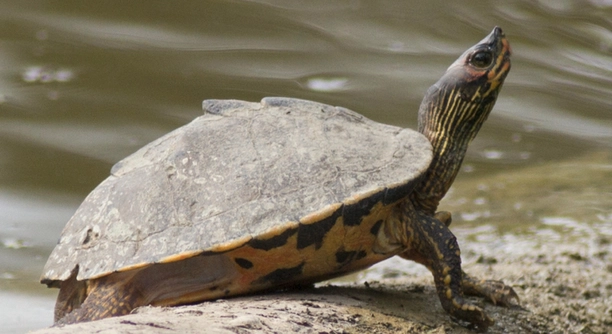
If your Indian Roofed Tortoise is refusing to eat pellets, it can be concerning. Understanding the reasons behind this behavior is key to ensuring their health and well-being. Several factors could be at play.
The primary reasons your tortoise may refuse pellets include environmental stress, improper temperature, or a lack of variety in their diet. Additionally, some tortoises may simply prefer live food over processed pellets, impacting their eating habits.
Addressing these issues will help improve your tortoise’s diet and overall health.
Environmental Factors Affecting Appetite
Your tortoise’s environment plays a significant role in its eating habits. If the enclosure is too hot, too cold, or has improper humidity levels, your tortoise may not feel comfortable enough to eat. A comfortable temperature range is crucial for digestion, and without it, your pet may refuse food. Tortoises also need a spacious habitat that allows them to move around freely. A small, cramped area can make them stressed, reducing their appetite. Additionally, lighting is important for maintaining a proper day-night cycle. Without the correct UVB lighting, your tortoise might not feel inclined to eat pellets. These environmental stressors can lead to health issues if not addressed promptly.
Temperature regulation is key in managing your tortoise’s eating habits. Ensure your tortoise has a temperature gradient within its enclosure, allowing it to choose where it feels most comfortable.
Improper environmental conditions can result in your tortoise refusing to eat. Consistent care, including temperature and space, is essential to encourage proper eating habits and overall health.
Pellet Quality and Freshness
Pellets may not appeal to your tortoise if they have been stored improperly or are outdated. Over time, pellets can lose their nutritional value and taste, making them less enticing to your pet.
Ensure pellets are kept in a dry, cool place to maintain their freshness. Fresh, high-quality pellets will be more likely to entice your tortoise to eat.
Tortoises have preferences when it comes to food, and if they find the pellets unappealing, they may refuse to eat them. Keep an eye on the condition of the pellets and try offering different brands or flavors to see if your tortoise shows more interest.
Diet Variety
Feeding your tortoise the same food every day can lead to a lack of interest in pellets. Tortoises are more likely to eat when they have variety in their diet. Try offering fresh vegetables, fruits, or even live food. Mixing up the diet helps keep your tortoise engaged and encourages healthy eating habits.
Offering a variety of foods can help address your tortoise’s refusal to eat pellets. Fresh leafy greens, like dandelion greens, collard greens, and kale, are all great choices. Fruits, such as strawberries or melon, can also add some excitement to their meals. This can be a great way to gradually introduce pellets back into their diet.
It’s important to remember that variety should be balanced. While your tortoise might enjoy fruit, it should not be the main food source. Vegetables, grass, and other high-fiber foods should still make up most of their diet. By diversifying the food options, you make feeding time more enjoyable for your tortoise.
Health Issues
Sometimes, your tortoise might refuse to eat because of an underlying health issue. Illnesses such as respiratory infections, parasites, or shell problems can cause a lack of appetite. When your tortoise refuses food for more than a couple of days, it’s a sign that a health issue might be at play.
If you suspect health problems, it’s important to take your tortoise to a veterinarian as soon as possible. A vet can assess your tortoise’s overall condition, check for signs of illness, and suggest a treatment plan. Addressing health concerns quickly will prevent your tortoise from becoming more ill and help restore its appetite.
Ignoring the signs of sickness in your tortoise can lead to long-term health complications. If your tortoise’s behavior changes suddenly, such as refusing to eat, it’s best to get professional help. Regular health check-ups are essential for preventing major issues and ensuring your tortoise’s overall well-being.
Stress Factors
Tortoises can become stressed due to changes in their environment, such as loud noises, new animals, or even rearranged enclosures. Stress often leads to a loss of appetite. Reducing stressors can help encourage your tortoise to eat more regularly.
It’s important to keep their environment calm and stable. Avoid sudden changes that could cause anxiety. This includes loud household activities, unexpected temperature shifts, or unfamiliar smells. Stress can also arise from excessive handling, so ensure that your tortoise has its own quiet space.
Improper Feeding Techniques
Tortoises may refuse pellets if they aren’t offered in a way that suits their natural eating habits. If the pellets are too large, too dry, or offered in an unfamiliar manner, they might not be interested.
Make sure the pellets are easy for your tortoise to access. You can try moistening them with water to soften their texture. Offering them in a shallow dish can make it easier for your tortoise to feed, mimicking their natural foraging behavior.
Temperature Control
Temperature plays a significant role in your tortoise’s eating habits. If the enclosure is too hot or too cold, your tortoise may not feel hungry. A consistent temperature range is crucial for digestion.
Make sure your tortoise has access to both warm and cool areas within the enclosure. Use a thermometer to monitor the temperature and adjust lighting as necessary. A stable, optimal temperature helps your tortoise regulate its metabolism and encourages healthy eating habits.
FAQ
Why is my tortoise refusing to eat pellets?
There are several reasons why your tortoise might refuse pellets. Environmental stress, such as improper temperature or humidity levels, can discourage eating. Additionally, a lack of diet variety or pellets that have become stale may make them unappealing. Health problems like digestive issues or respiratory infections may also lead to a loss of appetite. Stress from handling or changes in their environment can also affect eating habits. Ensuring your tortoise’s living conditions are optimal and offering fresh, varied foods can help resolve this.
How can I tell if my tortoise is sick?
Sick tortoises often show signs like lethargy, lack of appetite, and difficulty moving. If your tortoise isn’t eating for more than a couple of days, it could be a sign of illness. Other symptoms to watch for include nasal discharge, wheezing, or swelling around the eyes or mouth. Shell deformities or soft spots can also indicate health problems. If you notice any of these signs, it’s important to consult with a vet for a proper diagnosis.
Can I feed my tortoise fruits and vegetables instead of pellets?
While fruits and vegetables can be an important part of your tortoise’s diet, they should not replace pellets entirely. Pellets are formulated to provide essential nutrients that may not be present in fruits and vegetables alone. However, offering a variety of fresh greens, fruits, and other foods alongside pellets can help maintain a balanced diet. Stick to low-sugar fruits like strawberries or melon and leafy greens like kale, collard greens, and dandelion leaves.
How often should I feed my tortoise pellets?
The frequency of pellet feeding depends on the age and species of your tortoise. Generally, adult tortoises should be fed pellets once every two to three days, supplemented with fresh vegetables. Young tortoises need more frequent feedings—daily or every other day. Always adjust the amount based on your tortoise’s appetite and size. Overfeeding pellets can lead to obesity, so be mindful of portions.
Can I use live food to entice my tortoise to eat?
Yes, offering live food can sometimes encourage a tortoise to eat, especially if it’s refusing pellets. Live food like worms, crickets, or insects is a natural part of a tortoise’s diet. However, live food should not replace pellets or vegetables. It can be used sparingly as a treat to encourage eating when necessary.
How can I prevent my tortoise from getting too stressed?
To reduce stress in your tortoise, create a calm and stable environment. Avoid sudden changes in their enclosure, such as rearranging furniture or introducing new animals. Minimize loud noises and handling, as these can cause anxiety. Ensure that your tortoise has both a warm and cool area within its enclosure, so it can regulate its body temperature. Regularly check that their living conditions remain optimal to prevent unnecessary stress.
Is it normal for my tortoise to go without eating for a few days?
Occasionally, tortoises may refuse food for a short period, especially if they are adjusting to a new environment or during shedding periods. However, if your tortoise goes without food for more than three days, it’s important to investigate further. This could indicate stress, health issues, or an improper diet. If the refusal to eat persists, it’s best to consult a veterinarian to rule out any health problems.
Should I mix water with my tortoise’s pellets?
Moistening pellets with water can make them easier for your tortoise to eat, especially if they are too dry or large. This can be particularly useful for young tortoises or those that have trouble chewing. However, make sure not to overdo it—wet pellets should not sit in the dish for too long, as they can spoil quickly. If your tortoise isn’t eating wet pellets, try offering them dry again or try a different pellet brand.
What temperature should my tortoise’s enclosure be?
The ideal temperature for most tortoises ranges from 75°F to 95°F, with a basking area reaching up to 100°F. The temperature should vary within the enclosure to allow your tortoise to regulate its body heat. Use a thermometer to monitor the temperature and ensure that it is within the proper range. Too hot or too cold temperatures can affect your tortoise’s digestion and appetite, leading to a refusal of food.
Can I feed my tortoise the same pellets every day?
While it’s possible to feed your tortoise the same pellets every day, it’s not ideal. A monotonous diet can lead to boredom and reduce your tortoise’s appetite. It’s important to offer a variety of foods, including fresh vegetables and fruits, along with pellets. Rotating different types of pellets or changing up the offerings will help keep your tortoise interested in eating and provide a more balanced diet.
How do I know if my tortoise is dehydrated?
Dehydration in tortoises can be difficult to spot, but common signs include lethargy, sunken eyes, and dry or flaky skin. If your tortoise isn’t drinking water regularly or refuses to eat, dehydration may be the cause. Make sure fresh water is always available and offer foods with high water content, like cucumbers or watermelon. Soaking your tortoise in shallow, lukewarm water for about 20 minutes a few times a week can help maintain hydration levels.
Can I offer my tortoise commercial food products other than pellets?
While pellets are a good staple food, there are other commercial foods designed for tortoises, such as dried grasses or calcium-rich supplements. These can be offered in moderation, but they should not replace the main diet of fresh vegetables and pellets. Always check the ingredients to ensure the food is appropriate for your tortoise species.
Final Thoughts
When your Indian Roofed Tortoise refuses to eat pellets, it’s important to consider a range of potential factors. Stress, environmental changes, and health issues can all affect their appetite. Ensuring the enclosure is stable and free of stressors is crucial for maintaining a healthy tortoise. You should also check the temperature, humidity, and overall living conditions. If your tortoise is constantly refusing food, it might be a sign that something is wrong. This can include health issues such as digestive problems, respiratory infections, or other underlying conditions. Consulting a veterinarian is always a good idea if the problem persists.
Feeding your tortoise a balanced diet is essential for its well-being. Pellets can provide necessary nutrients, but variety is just as important. Fresh vegetables and occasional fruits should be included to encourage healthy eating habits. Avoid relying solely on pellets or other processed foods. It’s also helpful to pay attention to how your tortoise eats and whether it’s struggling with specific foods, such as large or dry pellets. You can try softening the pellets or offering different food textures to see what works best for them. The key is offering fresh, high-quality foods that align with their dietary needs.
Remember, patience and observation are essential when caring for a tortoise. If your tortoise refuses pellets, it might just be a phase. However, long-term refusal should not be ignored. Addressing potential causes such as stress, diet, or health problems early can prevent more serious issues. A healthy tortoise requires proper care, a varied diet, and a stress-free environment. Being attentive to these aspects will not only help solve the eating issue but also improve the overall well-being of your tortoise.

Hello,
If you enjoy the content that we create, please consider saying a "Thank You!" by leaving a tip.
Every little bit helps us continue crafting quality advice that supports the health, happiness, and well-being of pets around the world, for pets of all shapes, sizes, and species.
We really appreciate the kindness and support that you show us!