
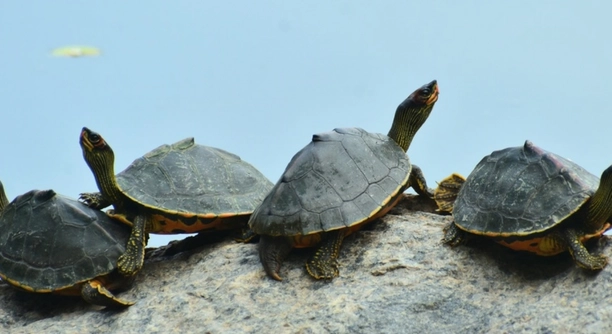
Do you want to give your Indian roofed tortoise the best home but are unsure which tank material is the safest and most durable? Choosing the right enclosure ensures their well-being and helps maintain an optimal habitat.
The best tank materials for Indian roofed tortoises include glass, PVC, wood, and acrylic. These options provide durability, proper humidity retention, and ease of cleaning. However, materials like metal, untreated wood, and flimsy plastic should be avoided due to potential health risks.
Understanding which materials work best will help you create a secure and comfortable space for your tortoise. Making the right choice can improve their quality of life and simplify maintenance.
Best Tank Materials for Indian Roofed Tortoises
Glass tanks are a reliable option because they are sturdy and easy to clean. They retain heat and humidity well, which is important for maintaining a stable environment. However, they can be heavy and require a secure lid to prevent escapes. PVC enclosures are another great choice since they are lightweight, durable, and resistant to moisture. These tanks provide insulation, keeping temperatures stable. Wooden enclosures, when properly sealed, offer a natural look and hold heat effectively. Acrylic tanks are lightweight and shatter-resistant, making them a safer alternative to glass. Fiberglass enclosures are strong and resistant to temperature changes, but they require proper ventilation. Plastic storage tubs can work as temporary enclosures if they are large enough and well-ventilated. Each of these materials has advantages, so choosing the right one depends on your space, budget, and maintenance preferences.
Selecting a sturdy, well-ventilated tank ensures your tortoise stays comfortable and healthy. A proper enclosure makes daily care easier and reduces stress for your pet.
Each material has unique benefits, so understanding their differences can help you choose the best option. Some tanks retain heat better, while others are easier to move and clean. Knowing what works best will help create an ideal habitat.
Materials to Avoid
Metal enclosures are unsuitable because they can overheat quickly, creating dangerous conditions for your tortoise. These tanks also rust over time, which can be harmful. Thin plastic containers may seem like a budget-friendly choice, but they are not durable and can crack under pressure.
Untreated wood absorbs moisture, leading to mold growth and potential health issues. If using wood, it must be sealed properly. Wire cages are unsafe because they do not retain humidity and can injure your tortoise. Cardboard is also unsuitable since it absorbs water, breaks down easily, and cannot maintain stable conditions. Avoiding these materials ensures a safer and more comfortable space for your pet.
Factors to Consider When Choosing a Tank
A proper tank should provide enough space for your tortoise to move freely. A small enclosure can lead to stress and restricted growth. Ventilation is also important to prevent humidity buildup and maintain fresh airflow. Sturdy construction ensures safety and prevents escape attempts.
Temperature and humidity control are essential for a tortoise’s health. Glass and PVC tanks help retain heat, while wooden enclosures require insulation to maintain proper temperatures. Consistent humidity prevents dehydration and shell problems. Proper lighting setup is also necessary, with UVB lamps providing essential nutrients for shell and bone development. Choosing a material that supports heat and light fixtures makes care easier.
Easy maintenance keeps the enclosure clean and safe. Smooth surfaces like glass and acrylic are simple to wipe down, while porous materials can trap bacteria. Removable lids and side openings allow easy access for cleaning and feeding. A well-designed tank reduces daily upkeep and provides a healthier environment.
Setting Up the Perfect Tank
A spacious tank with a secure lid prevents escapes and gives your tortoise room to explore. A well-fitted substrate, such as coconut coir or cypress mulch, maintains moisture and mimics their natural habitat. Providing hiding spots creates a sense of security and reduces stress.
Heating elements like ceramic heat emitters or under-tank heaters regulate temperature. A basking area should be set at around 90°F, while the rest of the enclosure stays slightly cooler. UVB lighting is necessary to support shell and bone health. These factors help replicate natural conditions and keep your tortoise active and healthy.
A shallow water dish allows for hydration and soaking without the risk of drowning. Regularly changing the water prevents bacteria buildup. Adding safe plants and decorations enhances the habitat and provides enrichment. A well-planned setup ensures your tortoise stays comfortable and thrives in its enclosure.
Common Mistakes to Avoid
Using an enclosure that is too small can cause stress and limit movement. Tortoises need space to explore, so a cramped tank leads to poor health and discomfort. Choosing a tank that is at least four times their shell length provides enough room for natural behaviors.
Neglecting proper humidity levels can lead to dehydration and shell issues. Indian roofed tortoises need a humidity level of around 60–80%. Without it, their shells may become dry and brittle. Using a hygrometer and misting the enclosure regularly helps maintain proper moisture levels.
Best Substrates for Tortoise Tanks
Coconut coir, cypress mulch, and organic topsoil are ideal substrate choices. These materials retain moisture well, helping to maintain proper humidity levels. They also provide a natural surface that supports digging and burrowing behaviors. Avoid using sand, gravel, or artificial turf, as they can cause health problems if ingested.
Final Thoughts
Choosing the right tank materials and setup helps create a safe, comfortable space for your tortoise. A well-maintained habitat improves their quality of life and makes care easier. Paying attention to size, humidity, and substrate ensures a healthier and happier pet.
FAQ
What size tank is best for an Indian roofed tortoise?
A tank should be at least four times the length of your tortoise’s shell. For adult Indian roofed tortoises, this means an enclosure of about 4 feet by 2 feet. Juveniles can live in smaller tanks, but as they grow, their space requirements will increase. More space allows your tortoise to roam and stay active, which is essential for their health. A cramped space can lead to stress and hinder natural behaviors like walking, foraging, and exploring.
Can I use a glass tank for my tortoise?
Yes, glass tanks are a good option for Indian roofed tortoises. They are easy to clean, durable, and help retain humidity and heat. However, they can be heavy, and they may require secure lids to prevent escapes. Glass tanks are also prone to scratching, which can make them harder to maintain in the long run. But overall, they provide a clear view of your tortoise and are a popular choice for many pet owners.
How do I maintain proper humidity in the tank?
Maintaining humidity is key for your tortoise’s well-being. To keep the humidity levels around 60-80%, consider using a substrate like coconut coir or cypress mulch, which holds moisture well. You can also mist the tank daily to help increase humidity. A humidity gauge (hygrometer) will allow you to monitor the levels and adjust as needed. Additionally, placing a water dish in the enclosure encourages soaking, which helps maintain hydration. Be careful not to let the tank become too damp, as mold can grow, which is harmful to your tortoise.
Is UVB lighting necessary for my tortoise?
Yes, UVB lighting is essential for the health of Indian roofed tortoises. UVB light helps them produce Vitamin D3, which is crucial for calcium absorption and shell health. Without adequate UVB exposure, tortoises can develop metabolic bone disease or other serious health issues. Make sure to install a proper UVB lamp over the basking area, and replace the bulb regularly as UVB light weakens over time, even if the bulb still emits light.
Can I use untreated wood in the tank?
Untreated wood is not a safe material for tortoise tanks. Wood that is not sealed can absorb moisture, promoting mold and bacteria growth, which can harm your tortoise. If you want to use wood, ensure it is sealed with a non-toxic, tortoise-safe product. Always keep an eye on the condition of the wood and make sure it remains dry to avoid any issues.
How often should I clean my tortoise’s tank?
You should clean your tortoise’s tank regularly to keep it hygienic and safe. Spot cleaning every few days is important to remove waste and leftover food. A full cleaning, including disinfecting the tank and changing the substrate, should be done about once a month. Always make sure the tank is dry before adding fresh substrate, and avoid using harsh chemicals that could harm your tortoise.
Can I use sand as a substrate?
It is generally not recommended to use sand as a substrate for Indian roofed tortoises. Sand can be ingested while your tortoise is foraging, leading to impaction, which can be harmful or even fatal. If you choose to use sand, it should be mixed with other substrates to reduce the risk of ingestion. Opting for safer alternatives like coconut coir or cypress mulch will help prevent digestive issues and maintain a healthier environment.
What temperature should my tortoise’s tank be?
The temperature in your tortoise’s tank should range between 75-85°F for the cooler side and 90-95°F for the basking area. This allows your tortoise to thermoregulate, moving between warmer and cooler areas of the tank as needed. Use a heat lamp or ceramic heat emitter to create a basking spot. A thermostat can help ensure the temperature remains consistent throughout the day. Be sure to monitor the tank’s temperature regularly to avoid any sudden changes.
Is it okay to keep multiple tortoises in the same tank?
While it’s possible to keep multiple tortoises in the same tank, it’s not always recommended. Indian roofed tortoises are solitary animals and can become territorial, especially in smaller enclosures. If you decide to house more than one tortoise, ensure the tank is large enough to give each one its own space to avoid stress and fighting. Always monitor their behavior and separate them if aggression occurs.
What should I feed my Indian roofed tortoise?
Indian roofed tortoises are primarily herbivores and should be fed a diet rich in leafy greens, such as dandelion greens, collard greens, and romaine lettuce. You can also offer flowers, grasses, and occasional fruits like papaya or melon. Avoid feeding them high-oxalate foods like spinach, as this can interfere with calcium absorption. Ensure their diet is high in fiber and low in protein to prevent health issues like shell deformities. Fresh water should always be available for drinking and soaking.
Can I use plastic storage bins for my tortoise tank?
Plastic storage bins can work as temporary enclosures for tortoises, especially for juveniles. They are affordable, lightweight, and easy to modify. However, they lack proper ventilation and may not retain heat as well as other materials. If you use a plastic tub, make sure to add ventilation holes, and keep the temperature and humidity levels monitored closely. Larger, permanent enclosures are preferable for long-term use.
Final Thoughts
Choosing the right tank materials and setup for your Indian roofed tortoise is crucial to ensuring their health and comfort. Whether you opt for glass, PVC, or wooden enclosures, each material comes with its own advantages and challenges. Glass tanks are easy to clean and provide clear visibility, but they can be heavy and require a secure lid. PVC tanks are durable and lightweight, making them easy to move, but they may lack the aesthetic appeal of wood or glass. Wooden enclosures offer a natural look and help retain heat but must be properly sealed to avoid moisture issues. Acrylic tanks are shatter-resistant and clear, providing a good view of your tortoise, but they can be expensive compared to other options. Each material offers something different, so consider your space, budget, and maintenance preferences when making your decision.
Beyond the tank itself, creating the right environment for your tortoise is just as important. Proper temperature and humidity control, along with UVB lighting, are essential for their overall health. A spacious enclosure will allow your tortoise to move freely, which is crucial for their well-being. Make sure to provide areas for basking, as well as a cooler space for them to retreat when they need to regulate their body temperature. Keeping the tank clean and offering a suitable substrate will prevent bacterial growth and help maintain the ideal conditions for your tortoise. A shallow water dish should be present for hydration and soaking, while safe plants and decorations can enhance the habitat and provide mental stimulation.
Setting up and maintaining a proper tank for your Indian roofed tortoise requires attention to detail and regular care. By selecting the right materials and ensuring that the tank environment mimics their natural habitat, you can support your tortoise’s health and happiness. Regular cleaning, monitoring humidity and temperature, and providing a balanced diet are key to creating a long-lasting, stress-free home for your pet. Keeping these factors in mind will help you enjoy a fulfilling and rewarding experience as a tortoise owner while ensuring your tortoise thrives in its new home.

Hello,
If you enjoy the content that we create, please consider saying a "Thank You!" by leaving a tip.
Every little bit helps us continue crafting quality advice that supports the health, happiness, and well-being of pets around the world, for pets of all shapes, sizes, and species.
We really appreciate the kindness and support that you show us!