
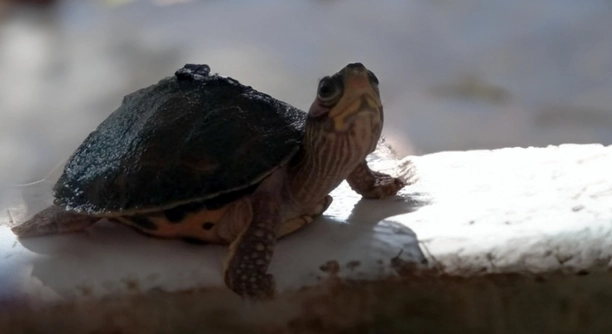
Indian Roofed Tortoises are known for their calm nature, but at times, their appetite may not be as lively as expected. If your tortoise is refusing to eat, it might be due to several factors that can be adjusted.
To improve an Indian Roofed Tortoise’s appetite, ensure that its diet is varied and nutritious. Offering fresh vegetables, fruits, and protein-rich foods, along with the right environmental conditions, can stimulate a healthy appetite and prevent malnutrition.
Small changes in their diet and environment can make a big difference. Keep reading to discover practical tips that will help encourage your tortoise to eat.
1. Create a Balanced Diet for Your Tortoise
Feeding your Indian Roofed Tortoise a balanced diet is one of the easiest ways to improve its appetite. Tortoises need a mix of leafy greens, vegetables, fruits, and occasional protein. It’s important to offer a variety of food to make sure they are getting all the essential nutrients. Foods like dandelion greens, collard greens, and mustard greens are great options for leafy greens. You can also include a variety of fruits such as papaya, mango, and berries. For protein, offer small amounts of cooked eggs or lean meat.
Introducing different textures and tastes to their meals can also help spark interest. Keep the portions small to avoid overwhelming them and ensure they are eating regularly.
Keeping the diet varied will encourage your tortoise to explore new foods and stay healthy. The right food mix promotes good digestion, a healthier immune system, and an improved appetite.
2. Make Sure the Temperature Is Just Right
Temperature plays a huge role in your tortoise’s appetite. If their environment is too cold, they might not feel like eating at all. The ideal temperature range for an Indian Roofed Tortoise is between 80°F and 90°F during the day, with a slight drop at night. If the enclosure is too chilly, they may become sluggish and eat less.
Heat helps their metabolism stay active and encourages proper digestion. A basking spot with a temperature of around 95°F will also help your tortoise feel more comfortable and open to eating. Always ensure there are both warmer and cooler areas in their enclosure so they can regulate their body temperature.
Maintaining proper lighting is also important. UVB lighting, along with the right heat source, will mimic natural sunlight and help improve their overall health. This will make them more likely to eat and stay active.
3. Offer Fresh, Clean Water Daily
Water is crucial for your tortoise’s health and appetite. Always provide fresh, clean water in a shallow dish that’s easy for them to access. Dehydration can cause a lack of appetite, so make sure the water is changed daily.
Indian Roofed Tortoises drink water regularly, especially after meals, and dehydration can make them feel lethargic. It’s also important to check that the water bowl is shallow enough to prevent accidental drowning. Consider adding a small, gentle water fountain to encourage your tortoise to drink more.
In addition to hydration, soaking your tortoise in lukewarm water for 15-20 minutes a couple of times a week can help with digestion and improve their overall health. This not only stimulates their appetite but also ensures they stay hydrated, leading to better feeding habits.
4. Avoid Overfeeding or Underfeeding
Both overfeeding and underfeeding can affect your tortoise’s appetite. Offering too much food at once can overwhelm them, causing them to eat less. On the other hand, underfeeding can leave them feeling unsatisfied, making them uninterested in food.
A good rule of thumb is to feed your tortoise small, measured portions that can be consumed in 10-15 minutes. Monitor how much they are eating and adjust the portions as needed. If they aren’t eating everything, try offering slightly smaller portions or different food to entice them. Keep their diet balanced, but be mindful not to overfeed them, as it can lead to weight gain or digestive issues.
Establishing a regular feeding schedule helps them feel more comfortable. A consistent routine also keeps their metabolism in check and encourages them to eat when food is provided. Being mindful of portion sizes and frequency can make a big difference in improving their appetite.
5. Limit Stressful Situations
Stress can significantly reduce your tortoise’s appetite. Make sure their environment is calm and free of disturbances. Loud noises or constant handling can make them feel unsafe, leading to a lack of interest in food.
Ensure their enclosure is placed in a quiet, peaceful area where they won’t be frequently disturbed. Reducing handling and providing a private space will help them feel secure. A stressed tortoise may refuse food, and it’s essential to create a comfortable and safe environment for them.
6. Check for Health Issues
A sudden loss of appetite can often signal health problems. If your tortoise isn’t eating regularly, it’s important to check for signs of illness such as lethargy, swelling, or abnormal behavior. Sometimes, digestive issues or parasites can affect their appetite.
Make sure their habitat conditions are optimal. If the problem persists, visit a vet experienced with reptiles to rule out any underlying health concerns. Early detection of health issues is crucial for a successful recovery and can improve their chances of eating normally again.
7. Keep Their Enclosure Clean
A dirty enclosure can affect your tortoise’s health and appetite. Ensure that their living space is cleaned regularly to prevent the buildup of waste or mold. Keeping their habitat clean not only helps avoid illness but also promotes a comfortable eating environment.
Clean the water dish daily, remove uneaten food promptly, and wipe down surfaces to remove any bacteria or debris. A clean space encourages good hygiene and a more relaxed atmosphere, which can boost your tortoise’s appetite.
FAQ
1. Why is my Indian Roofed Tortoise not eating?
There could be several reasons why your tortoise is refusing food. It might be due to improper temperature or lighting in their enclosure, stress, or a health issue. If the environment isn’t warm enough, your tortoise may become sluggish and uninterested in food. Make sure their basking spot is around 95°F and the overall temperature stays between 80°F and 90°F. Additionally, stress from handling or environmental changes could reduce their appetite. If the problem persists for more than a few days, consider taking them to the vet for a checkup.
2. How can I improve my tortoise’s appetite?
Improving your tortoise’s appetite starts with making sure their diet is varied, nutritious, and appealing. Include a variety of leafy greens like dandelion greens, kale, and mustard greens, as well as fruits and protein-rich foods. Avoid feeding them the same things all the time to keep their interest. Also, make sure their habitat is set up with proper heating and lighting conditions, as both factors directly influence their appetite.
3. What foods should I avoid feeding my Indian Roofed Tortoise?
Certain foods can be harmful or unsuitable for your tortoise. Avoid high-oxalate foods like spinach and beet greens, which can interfere with calcium absorption. Also, do not feed them high-fat or high-protein foods like dairy, meat, or processed foods. Some fruits like citrus should be offered sparingly, as they can upset their digestive system. Stick to fresh vegetables, fruits, and appropriate protein sources to maintain a balanced diet.
4. How often should I feed my Indian Roofed Tortoise?
Indian Roofed Tortoises should be fed every day, especially when they are young. As they grow, their feeding schedule can become less frequent. Adults typically eat every other day, but this depends on their activity level and health. Offer a variety of food during each feeding session, and make sure not to overfeed them. They should finish their meal within 10-15 minutes.
5. Can I feed my tortoise fruit every day?
While fruits can be a part of your tortoise’s diet, they should not be offered every day. Fruits are high in sugar and should be fed in moderation. You can offer fruit once or twice a week as a treat. Stick to safe options like papaya, berries, and mango. Too much fruit can cause digestive issues or lead to obesity, so balance it out with leafy greens and vegetables.
6. How do I know if my tortoise is overweight?
Overweight tortoises may show signs of lethargy, difficulty moving, or an unusually large shell. Check if your tortoise has a round, bulging belly or appears slow to move around. It’s important to provide the right amount of food, not too much. Overfeeding, especially with high-calcium foods or treats, can cause your tortoise to become overweight. A veterinarian can also assess their body condition to determine if they are at a healthy weight.
7. Is it okay to feed my tortoise once a week?
Feeding your tortoise only once a week is not recommended. Regular feeding is important to maintain their energy levels and overall health. Younger tortoises need food every day, while adults typically eat every other day. Offering food once a week could cause malnutrition, weight loss, and reduced appetite. Stick to a more frequent feeding schedule for optimal health.
8. Can stress cause a loss of appetite in tortoises?
Yes, stress can definitely affect your tortoise’s appetite. Tortoises are sensitive to their environment, and changes such as moving to a new enclosure, noisy surroundings, or being handled too often can cause them to stop eating. Creating a calm, quiet, and stable environment for your tortoise will reduce stress and help improve their appetite. Be sure to provide them with a private and secure space in their enclosure, where they can feel safe.
9. How long can my Indian Roofed Tortoise go without eating?
Indian Roofed Tortoises can typically go without food for a few days to a week, depending on their age, size, and health. However, if they refuse food for more than 3-4 days, it’s a sign of an underlying issue, and you should consult a veterinarian. Prolonged refusal to eat can lead to malnutrition or dehydration, which can be dangerous for your tortoise.
10. Should I soak my tortoise in water to stimulate appetite?
Soaking your tortoise in lukewarm water for 15-20 minutes a couple of times a week is a good practice for stimulating appetite. Soaking helps with hydration and digestion, both of which can encourage your tortoise to eat. Always ensure the water is not too hot or cold, and monitor your tortoise during the soak. If they are not eating and appear dehydrated, soaking can provide additional benefits and help them feel more comfortable.
11. Can I feed my tortoise while it’s hibernating?
No, tortoises should not be fed while hibernating or in a state of brumation. During this period, their metabolism slows down, and they do not require food. Trying to feed them during this time can cause digestive issues and stress. It’s important to ensure they are in a proper environment for brumation, with appropriate temperature and humidity levels. Once they wake up from their hibernation, you can resume feeding them a normal diet.
12. How do I know if my tortoise is dehydrated?
Signs of dehydration in a tortoise include sunken eyes, dry or flaky skin, and a lack of interest in food. If your tortoise’s shell feels unusually dry or their urates are hard and white, these are also signs of dehydration. Make sure they have access to clean water at all times, and consider soaking them if you suspect dehydration. If the problem persists, visit a vet for further advice.
Final Thoughts
Improving your Indian Roofed Tortoise’s appetite is a combination of providing the right diet, creating a comfortable environment, and being mindful of their health. By offering a variety of fresh vegetables, fruits, and the occasional protein, you can keep their meals interesting and nutritious. It’s important to ensure that the food you provide is suitable for their specific needs, as feeding them the wrong foods can affect their health and appetite. A balanced diet is the key to maintaining their overall well-being and encouraging a healthy appetite.
Temperature and lighting are also crucial factors to consider. Indian Roofed Tortoises need a warm environment to stay active and healthy. A basking spot with a temperature of around 95°F and an overall temperature of 80°F to 90°F is essential for stimulating their appetite. If the enclosure is too cold, your tortoise may become lethargic and uninterested in food. Proper UVB lighting is equally important to mimic natural sunlight, helping your tortoise absorb necessary vitamins and stay active. Keeping their habitat stable and comfortable will encourage them to eat and thrive.
Lastly, it’s essential to be observant of your tortoise’s behavior. If you notice a sudden change in their eating habits, it could be a sign of stress, illness, or other underlying issues. Check their environment regularly to ensure it’s free from stressors, and make sure they have access to clean water and a clean habitat. Regularly monitor their health and consider visiting a veterinarian if appetite issues persist. With the right care and attention, your tortoise should have a healthy appetite and live a long, happy life.

Hello,
If you enjoy the content that we create, please consider saying a "Thank You!" by leaving a tip.
Every little bit helps us continue crafting quality advice that supports the health, happiness, and well-being of pets around the world, for pets of all shapes, sizes, and species.
We really appreciate the kindness and support that you show us!