
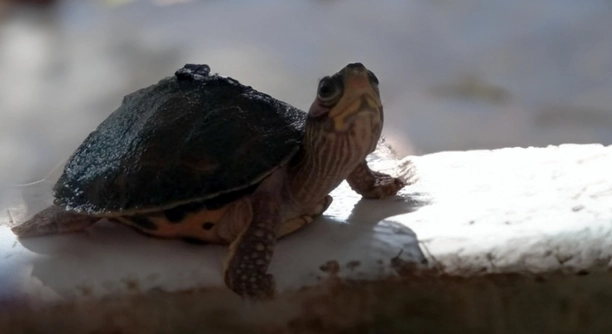
Indian Roofed Tortoises are fascinating creatures, often displaying unique behaviors. One such behavior is sticking their tongue out frequently, leaving many tortoise owners curious about the reason behind this action. Understanding this behavior can help ensure their well-being.
The most common reason for an Indian Roofed Tortoise sticking its tongue out is related to scent-marking and exploring its environment. Tortoises use their tongue to detect scents, which helps them identify food sources and other elements in their surroundings.
This behavior plays a role in their natural instincts. Understanding why they do this can guide you in creating a comfortable environment for your tortoise and maintaining its health.
Why Does My Tortoise Stick Its Tongue Out?
When an Indian Roofed Tortoise sticks its tongue out, it’s often related to its natural behavior of exploring its surroundings. This species is known to use their tongue to sense the environment, including detecting scents and tasting the air. The tongue flicking may seem unusual, but it is a form of communication and environmental interaction. Tortoises have a highly developed sense of smell, and using their tongue to gather information helps them identify food, mates, or potential threats. This behavior is instinctive and plays an important role in their survival and well-being.
If your tortoise is frequently sticking its tongue out, it may be a sign that they are actively exploring their environment or simply trying to taste the air. It’s essential to observe whether this behavior is accompanied by other signs of distress, as it could indicate an underlying health issue. However, in most cases, tongue flicking is a normal and harmless behavior that showcases their natural curiosity.
An Indian Roofed Tortoise uses its tongue to detect scents and better understand its environment. This method of exploring helps them find food, stay safe, and interact with their habitat. Therefore, frequent tongue movement is completely normal.
Is Tongue Flicking a Sign of Illness?
Sometimes, excessive tongue flicking in tortoises can indicate health problems. If your tortoise seems to be sticking its tongue out more often than usual or appears to be having difficulty retracting it, this could signal an issue. Respiratory infections or mouth problems can lead to unusual tongue behaviors, so it’s important to watch for other symptoms, such as lethargy, loss of appetite, or nasal discharge. These signs may require a visit to the vet for diagnosis.
On the other hand, in most cases, occasional tongue flicking is part of your tortoise’s natural exploration process. They use their tongue to taste the air, helping them identify scents that are crucial for finding food and navigating their surroundings. This behavior is common and should not be a cause for concern. However, if your tortoise seems to be sticking its tongue out in excess or in an odd manner, it’s worth considering the possibility of an underlying health problem. Always check for other symptoms and consult a vet if necessary.
Environmental Factors Affecting Tongue Flicking
Environmental factors such as humidity, temperature, and habitat cleanliness play a role in the frequency of tongue flicking. If your tortoise’s environment is too dry or uncomfortable, it may start flicking its tongue more often in search of moisture or better conditions.
Tortoises, like the Indian Roofed species, need a stable and well-maintained habitat to thrive. Dry conditions can lead to dehydration, which might make them use their tongue more frequently to find moisture or cooler areas. Likewise, if the habitat is too hot or lacks proper ventilation, your tortoise might be trying to find a more suitable place to regulate its body temperature. Regularly monitoring humidity levels and providing proper hiding spots can help reduce excessive tongue flicking. Ensuring your tortoise’s habitat is optimal will make it feel more comfortable, thus minimizing any behavioral stress related to its environment.
Make sure to provide a moist area or shallow water dish to help maintain the right humidity. This not only encourages natural behavior but also helps prevent stress, which could lead to health issues down the line.
Stress and Anxiety in Tortoises
Stress is another factor that can cause an Indian Roofed Tortoise to stick its tongue out. If your tortoise feels threatened or anxious, it may engage in more tongue flicking as a coping mechanism. This behavior can be a result of sudden changes in its environment or the presence of other animals.
Tortoises, especially those kept in captivity, may feel stressed due to unfamiliar sounds, movements, or disruptions in their routine. If your tortoise has recently been introduced to a new space, or if there are constant changes happening around it, you might notice more frequent tongue flicking. This behavior is not only a sign of curiosity but also a response to stress. Reducing these environmental changes and allowing your tortoise time to acclimate can help minimize anxiety. Additionally, offering your tortoise a quiet, safe place to retreat can ease their stress levels and reduce excessive tongue flicking.
Natural Behavior and Instincts
Tongue flicking is a natural part of your tortoise’s behavior. It’s not always related to stress or illness. Tortoises use their tongue to explore, taste, and smell their environment. This helps them gather important information about food, surroundings, and other animals.
In the wild, this instinctive behavior helps them find food and stay safe. They use their tongue to detect scent molecules in the air, which is why you might see your tortoise flick its tongue when it’s out of its shell or exploring. It’s a normal action, and in most cases, it’s completely harmless. As long as there are no other concerning symptoms, tongue flicking is just part of your tortoise’s routine.
This behavior is a good sign that your tortoise is healthy and engaging with its environment in a natural way.
Health Issues to Watch For
While tongue flicking is typically harmless, excessive behavior could indicate a health issue. If your tortoise seems to be having difficulty with this movement or shows signs of mouth or respiratory problems, it might be worth looking into. Respiratory infections can cause difficulty with normal tongue movement.
If your tortoise is sick, you may notice additional symptoms such as nasal discharge, wheezing, or labored breathing. These signs, along with excessive tongue flicking, could indicate that it’s struggling with a respiratory infection or oral discomfort. A visit to the vet for a proper diagnosis is recommended in these cases. Ensure your tortoise has access to clean, fresh water and a proper diet to prevent mouth and respiratory infections.
When to Seek Professional Help
If tongue flicking seems abnormal or is accompanied by other concerning signs, it’s best to consult a veterinarian. It’s especially important if your tortoise shows difficulty eating or seems to be in pain.
FAQ
Why does my Indian Roofed Tortoise keep sticking its tongue out?
Tongue flicking is a normal behavior for tortoises. They use their tongue to smell and taste their environment. It helps them detect food and navigate their surroundings. If your tortoise is simply sticking its tongue out occasionally, it is likely just engaging in this natural behavior. However, if it is excessive, it could be a sign of stress or illness.
Is tongue flicking always a sign of something wrong?
No, tongue flicking is generally a normal action. Tortoises flick their tongues to gather information about their environment. They are smelling and tasting the air, which helps them interact with their surroundings. As long as there are no other concerning symptoms, it’s usually nothing to worry about.
How do I know if my tortoise is sick or just being normal?
If your tortoise is eating well, moving normally, and acting as it usually does, then tongue flicking is likely just part of its routine. However, if your tortoise is sticking its tongue out more frequently than usual, has nasal discharge, or seems lethargic, it might be a sign of illness. Keep an eye on its overall behavior and consult a vet if needed.
Can stress cause my tortoise to stick its tongue out more often?
Yes, stress can increase tongue flicking. If there are sudden changes in your tortoise’s environment, such as a move to a new tank, new sounds, or even changes in routine, your tortoise may use its tongue to explore and cope. Other signs of stress may include hiding, lack of appetite, or excessive movement. Reducing stress and providing a stable environment can help reduce this behavior.
How can I help my tortoise feel more comfortable?
To make your tortoise feel comfortable, ensure its habitat is suitable. Maintain proper temperature and humidity levels. Provide hiding spots and clean water. Avoid sudden changes in its environment, and ensure there are no loud noises or disturbances. A well-maintained habitat will help keep your tortoise calm and reduce stress-related behaviors like excessive tongue flicking.
What are some common health issues that cause tongue flicking in tortoises?
Respiratory infections, mouth infections, or dehydration can cause unusual tongue flicking. If your tortoise has trouble retracting its tongue, has mucus around the mouth, or shows other signs of illness such as lethargy or poor appetite, it might have a health issue. It’s important to take your tortoise to the vet for a check-up in these cases.
Is there a way to prevent tongue flicking?
Tongue flicking itself is a natural behavior and cannot be completely prevented. However, you can help your tortoise avoid excessive flicking caused by stress or health issues by providing a stable, clean, and comfortable environment. Regular vet check-ups and proper care will help ensure that it remains healthy.
What should I do if my tortoise is sticking its tongue out constantly?
If the behavior seems excessive or out of the ordinary, check your tortoise for signs of illness. Look for discharge, difficulty eating, or changes in behavior. If none of these issues are present and your tortoise is acting normally, it’s likely just part of its natural behavior. Otherwise, consult a vet for further evaluation.
Can poor diet lead to excessive tongue flicking?
Yes, a poor diet can affect your tortoise’s health and lead to abnormal behaviors, including excessive tongue flicking. Tortoises require a balanced diet rich in fiber and nutrients. A lack of proper nutrition can cause digestive problems, dehydration, or even respiratory issues, which may lead to excessive tongue flicking. Make sure your tortoise is getting the right food for its species, and always provide fresh water.
How often should I clean my tortoise’s habitat?
Regular cleaning is important for your tortoise’s health and well-being. Clean its habitat at least once a week, removing any waste, old food, and debris. Spot cleaning daily helps maintain a healthier environment and reduces the chances of your tortoise developing health problems, which could contribute to increased tongue flicking.
Final Thoughts
Understanding why your Indian Roofed Tortoise keeps sticking its tongue out can help you ensure it remains healthy and comfortable. In most cases, this behavior is entirely normal. Tortoises use their tongues to explore their surroundings and gather sensory information about food, other animals, and their environment. It’s a way for them to interact with the world around them. If your tortoise’s tongue flicking is occasional and not accompanied by other concerning symptoms, there’s usually no cause for worry. This is just a part of their daily routine.
However, if you notice excessive tongue flicking or other signs of distress, such as difficulty eating, lethargy, or nasal discharge, it’s important to take action. These could be signs of a health issue, such as a respiratory infection or mouth problems. In such cases, visiting a vet is essential for proper diagnosis and treatment. Paying attention to your tortoise’s behavior and overall health can help you catch potential problems early.
The key to ensuring your tortoise remains healthy is to maintain a stable and stress-free environment. Regularly cleaning its habitat, providing the right diet, and ensuring it has the proper temperature and humidity levels will help your tortoise thrive. While tongue flicking is a natural and common behavior, keeping an eye on any changes in its pattern or accompanying symptoms will ensure that your tortoise stays happy and healthy for years to come.

Hello,
If you enjoy the content that we create, please consider saying a "Thank You!" by leaving a tip.
Every little bit helps us continue crafting quality advice that supports the health, happiness, and well-being of pets around the world, for pets of all shapes, sizes, and species.
We really appreciate the kindness and support that you show us!