
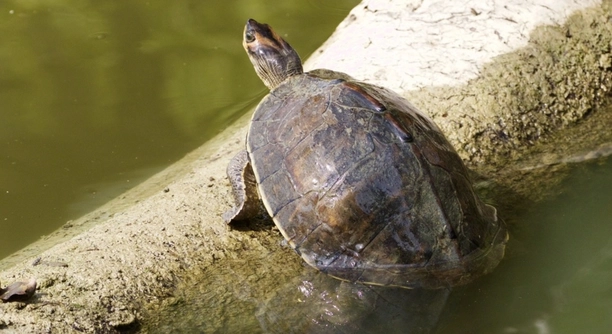
Your Indian Roofed Tortoise’s growth can sometimes stall, leaving you puzzled about the possible reasons behind it. Several factors might influence its development, from diet to environmental conditions. Understanding these factors is essential for fostering proper growth.
The primary reasons for slow growth in Indian Roofed Tortoises often include inadequate diet, improper lighting, incorrect temperature, insufficient space, stress, illness, or genetics. Ensuring proper care in these areas promotes healthy development and faster growth.
Addressing these factors can make a noticeable difference in your tortoise’s growth. Keeping track of the conditions it needs will help ensure it thrives in a healthy environment.
Diet and Nutrition
The diet of your Indian Roofed Tortoise plays a major role in its growth. These tortoises need a balanced diet rich in fiber and low in protein. Too much protein can lead to health issues, while insufficient nutrients can stunt growth. Providing a variety of vegetables, grasses, and some fruits is key. Avoid overfeeding fruits, as they are high in sugar. Additionally, calcium is essential for their shell growth and overall health. Offering calcium supplements or cuttlefish bone can help in meeting this nutritional need. Also, make sure the food is fresh and free of pesticides, as these can harm your tortoise’s health.
To help them grow better, you should aim for a consistent feeding schedule. This helps in regulating their metabolism and supports steady development.
Pay close attention to your tortoise’s diet and avoid overfeeding. Proper nutrition is vital for their growth and well-being.
Proper Lighting and Temperature
Temperature and lighting are crucial factors in the growth of your Indian Roofed Tortoise. Without proper heat and UVB lighting, your tortoise may struggle to grow. UVB light helps them absorb calcium, which is necessary for their bones and shell. Make sure they have access to natural sunlight or artificial UVB lighting for about 10-12 hours daily.
Temperature is also important. The basking area should be kept between 90-95°F, while the cooler side of the enclosure should be around 75-80°F. These temperature gradients allow your tortoise to regulate its body temperature and stay healthy. A thermostat is a good tool to ensure the temperature stays consistent.
Inadequate lighting or temperature can affect digestion, metabolism, and even behavior, which will ultimately hinder growth. The combination of appropriate lighting and a balanced temperature will help in encouraging proper development.
Space and Enclosure
A cramped enclosure can stunt your tortoise’s growth. It needs plenty of space to roam, exercise, and explore. The more room you provide, the healthier and more active your tortoise will be. This activity is necessary for its muscle development and overall growth. Ensure your tortoise’s enclosure is large enough to accommodate its size as it grows, with areas for basking, hiding, and eating.
Consider using a larger enclosure as your tortoise matures. The minimum size should be at least 4×8 feet, depending on the tortoise’s size. Proper ventilation is also important, as it helps regulate temperature and humidity.
It’s essential that the enclosure is safe and secure. Make sure the walls are high enough to prevent escape and that the environment inside mimics its natural habitat. A well-designed enclosure provides a stress-free environment, which encourages growth.
Stress and Handling
Stress can significantly hinder your tortoise’s growth. Too much handling or an environment that is constantly changing can make your tortoise anxious. Stress weakens the immune system and affects digestion, slowing down growth. It is important to provide a stable environment with minimal disturbances.
Ensure the enclosure is quiet and free from loud noises or constant movement around it. Avoid picking up your tortoise too often, especially if it’s not used to being handled. Let your tortoise come out of its shell and explore its space on its own terms.
Anxiety from excessive interaction, or a lack of security in its environment, can make your tortoise retreat into its shell and slow down its growth process. Understanding your tortoise’s needs will help create an atmosphere where it can thrive.
Health Issues
Health problems can drastically affect the growth of your Indian Roofed Tortoise. Issues like respiratory infections, parasites, or metabolic bone disease can slow its development. If you notice lethargy, lack of appetite, or abnormal behavior, it’s time to consult a vet. Prompt treatment can prevent further complications.
Regular checkups with a vet familiar with reptiles are important for early detection of health problems. A healthy tortoise grows well and enjoys a long life. Maintaining a clean environment, providing proper nutrition, and monitoring its behavior can help prevent many common issues.
Genetics
Genetics can play a role in the growth rate of your tortoise. Some tortoises may grow slower due to their genetic makeup. However, this doesn’t mean they can’t reach a healthy size with proper care. Growth rates can vary from one tortoise to another.
While genetics may limit some aspects of growth, it’s still important to give your tortoise the best care possible. If other factors like diet, temperature, and stress are addressed, it can help maximize growth potential.
Environment
The environment plays a major role in your tortoise’s growth. Too much humidity, lack of proper lighting, or inadequate space can all stunt its development. Ensure the humidity level in its enclosure is around 50-60%. Too much moisture can cause respiratory problems and shell rot.
Additionally, providing natural elements like plants and rocks can give your tortoise the stimulation it needs. A well-balanced environment helps create a healthy, stress-free habitat where growth is more likely to flourish. Consistent monitoring of these conditions will ensure your tortoise remains in optimal health.
FAQ
Why is my Indian Roofed Tortoise not growing?
Slow growth in your tortoise can be caused by a variety of factors. The most common reasons include improper diet, incorrect lighting, temperature issues, lack of space, stress, or health problems. Ensure that your tortoise is getting a balanced diet, the right environmental conditions, and minimal stress. Regular check-ups with a vet can help rule out underlying health issues that might be affecting growth.
How do I make my tortoise grow faster?
While growth rates vary between tortoises, proper care can help maximize your tortoise’s growth. Provide a balanced diet with the right amount of fiber, calcium, and nutrients. Ensure proper UVB lighting and correct temperature gradients in the enclosure. Offering a large, secure space to explore will encourage physical activity and muscle development.
What temperature is best for my tortoise?
Indian Roofed Tortoises need a temperature gradient in their enclosure. The basking area should be between 90-95°F, while the cooler side should stay around 75-80°F. This gradient allows your tortoise to regulate its body temperature, helping it digest food properly and grow.
Can my tortoise grow without UVB lighting?
No, UVB lighting is essential for the health of your tortoise. Without UVB, your tortoise cannot properly absorb calcium, which is crucial for bone and shell growth. It can lead to metabolic bone disease, which negatively impacts growth and overall health. Ensure your tortoise gets 10-12 hours of UVB exposure daily.
How often should I feed my Indian Roofed Tortoise?
Feed your tortoise every other day to ensure it receives the right amount of nutrients without overeating. A varied diet that includes dark leafy greens, grasses, and occasional fruits is ideal. Be sure to avoid feeding them too many fruits, as they are high in sugar, which can cause health issues.
What can I do if my tortoise is not eating?
If your tortoise isn’t eating, it could be due to stress, temperature issues, or health problems. Check the environmental conditions—ensure the enclosure is at the right temperature and has proper lighting. Also, try offering different foods to see if your tortoise prefers something new. If the lack of appetite persists, consult a veterinarian.
Is it normal for a tortoise to be inactive?
Tortoises are naturally slow-moving creatures, but excessive inactivity can signal a problem. If your tortoise is unusually lethargic, it might be due to improper temperature, illness, or stress. Ensure it has the right environmental conditions and check for signs of illness, such as a lack of appetite or abnormal behavior.
Can stress affect my tortoise’s growth?
Yes, stress can significantly affect your tortoise’s growth. Factors like constant handling, loud noises, or an unstable environment can cause anxiety, which weakens the immune system and slows growth. Keeping your tortoise’s environment calm and stable, with minimal disturbances, helps avoid stress and promotes healthy growth.
Should I use supplements for my tortoise?
Supplements can be beneficial, especially if your tortoise is not getting enough calcium or other essential nutrients. Calcium is vital for proper shell development and overall health. You can provide calcium supplements in the form of cuttlefish bone or a powder to sprinkle on its food. Always consult a vet before adding any supplements.
What size enclosure does my tortoise need?
The size of the enclosure should be large enough to allow your tortoise to move around freely. For an adult Indian Roofed Tortoise, a minimum enclosure size of 4×8 feet is recommended. The more space you provide, the more active and healthy your tortoise will be, contributing to proper growth.
How do I keep my tortoise’s shell healthy?
A healthy shell requires proper calcium intake, UVB lighting, and a clean environment. Ensure your tortoise gets enough calcium through its diet and supplements if needed. Keep the enclosure dry and clean to prevent shell rot and fungal infections. Regularly check your tortoise’s shell for signs of damage or illness.
Is it necessary to handle my tortoise?
It’s best to limit handling, especially if your tortoise seems stressed. Tortoises do not need frequent handling for their growth and development. Overhandling can cause anxiety and disrupt their sense of security. Allow your tortoise to explore and roam freely within its enclosure instead of frequently picking it up.
Final Thoughts
Taking care of an Indian Roofed Tortoise requires patience and attention to detail. Proper diet, lighting, temperature, and space are all key to ensuring that your tortoise grows healthy and strong. By providing the right environment and monitoring its well-being, you can avoid many common issues that slow growth. Regular checkups with a vet also play an important role in maintaining your tortoise’s health and addressing potential problems early on.
Understanding the factors that impact growth will help you make informed decisions about the care of your tortoise. While genetics can play a role in growth rate, proper care can ensure that your tortoise reaches its full potential. It’s important to focus on the basics—such as proper lighting, temperature, and a balanced diet—while keeping stress levels low. With the right care, your tortoise will thrive in a stable and supportive environment.
In conclusion, the health and growth of your Indian Roofed Tortoise depend largely on the care and environment you provide. A consistent routine, with the proper conditions, will support its growth and ensure it lives a long, healthy life. By following the advice in this article and paying attention to your tortoise’s needs, you’ll be able to offer the best care possible. Taking the time to understand and meet your tortoise’s needs will make all the difference in its growth and happiness.

Hello,
If you enjoy the content that we create, please consider saying a "Thank You!" by leaving a tip.
Every little bit helps us continue crafting quality advice that supports the health, happiness, and well-being of pets around the world, for pets of all shapes, sizes, and species.
We really appreciate the kindness and support that you show us!