
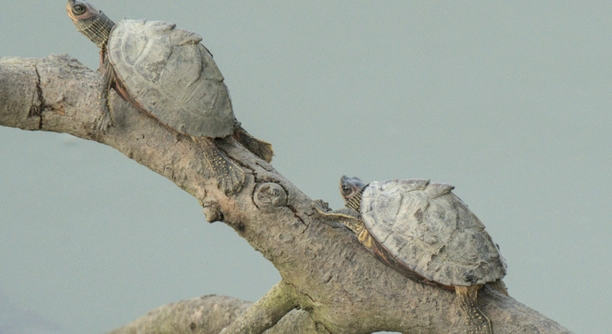
Shedding is a natural part of an Indian Roofed Tortoise’s growth, but sometimes it can go wrong. Knowing when something’s off can help keep your pet healthy and comfortable. These signs can guide you through the process.
Incorrect shedding in your Indian Roofed Tortoise can result from stress, improper humidity levels, or insufficient basking. Signs include retained skin, difficulty shedding, or excessive shedding. Identifying the problem early helps prevent long-term health issues.
Understanding these signs allows you to make adjustments that will ensure your tortoise’s well-being and keep shedding processes running smoothly.
The Importance of Proper Humidity
The humidity level in your tortoise’s habitat plays a major role in its ability to shed correctly. If the humidity is too low, your tortoise might struggle to shed properly, leading to retained skin and discomfort. A humidity level between 70-80% is ideal for an Indian Roofed Tortoise. This ensures that their skin remains soft and easy to shed. Make sure to monitor the humidity regularly with a reliable hygrometer.
If the humidity level is consistently too low, consider using a humidity box or misting the enclosure with water. Additionally, providing a shallow water dish can help with hydration. A simple change in the environment can make a big difference in the shedding process.
Creating the right humidity balance requires attention and regular adjustments. Small changes can significantly impact the tortoise’s overall health. Remember, the proper humidity will help ensure smooth, stress-free shedding and keep your tortoise comfortable and healthy.
Stress and Shedding Issues
Stress can contribute to improper shedding. If your tortoise feels threatened or uneasy, it might result in delayed or incomplete shedding.
Stress comes in many forms, from sudden changes in the environment to handling it too often. It’s crucial to create a peaceful and consistent environment for your tortoise. Stress can impact its overall well-being, leading to health issues like incorrect shedding. Minimizing stress is key to preventing these problems.
Your tortoise’s habitat should provide comfort, security, and a proper routine. Avoid sudden changes, and offer a calm environment. By reducing stress, your tortoise will experience fewer shedding problems and thrive in its space.
Incorrect Temperature Settings
Temperature is another factor that can impact shedding. An Indian Roofed Tortoise requires a basking area with temperatures between 90-95°F, while the cooler end of the habitat should stay around 75°F. Too much heat or too little heat can cause improper shedding, leaving your tortoise with uncomfortable skin problems.
Make sure your tortoise has access to a thermal gradient, allowing it to move between warmer and cooler areas. If your enclosure is too cold, the shedding process can slow down, causing the skin to harden and become difficult to shed. On the other hand, if it’s too hot, it may cause excessive or uneven shedding.
By monitoring the temperature closely, you ensure your tortoise remains comfortable and avoids unnecessary shedding problems. Using a reliable thermometer and adjusting the heating system based on your tortoise’s needs will support healthy shedding behavior.
Lack of Proper Basking
Basking is an essential part of your tortoise’s daily routine. Without adequate basking, your tortoise can struggle to shed properly. The warmth from basking allows the skin to loosen, making the shedding process easier and more efficient. If your tortoise isn’t basking enough, it might face difficulties in shedding.
Provide a basking spot with direct light and a warm surface to allow your tortoise to regulate its body temperature. If the basking area isn’t set up properly, the tortoise may have trouble shedding its skin in a timely manner. It’s crucial to make sure the basking spot is consistently available and properly heated.
Ensure your tortoise has access to the proper basking spot every day to maintain its health. Regular basking helps the tortoise stay active and promotes proper skin shedding.
Poor Diet and Shedding
A poor diet can affect the shedding process. If your tortoise isn’t getting the right nutrients, its skin may not shed properly. A balanced diet with a variety of leafy greens, vegetables, and occasional fruits helps maintain healthy skin and encourages proper shedding.
Ensure your tortoise receives calcium and vitamin D3, which are crucial for skin health. These nutrients support the growth of strong, healthy skin, making it easier for your tortoise to shed. A lack of proper nutrition can lead to dryness and difficulty during shedding, causing discomfort and potential health issues.
Regularly providing a variety of nutritious foods will ensure your tortoise gets the necessary vitamins and minerals to shed effectively. It’s important to stick to a well-rounded diet for its overall health, promoting easier shedding and smoother skin renewal.
Dehydration and Shedding Problems
Dehydration can worsen shedding problems. Without enough water, your tortoise’s skin may become dry and difficult to shed. Ensure fresh water is available at all times to avoid dehydration and its effects on shedding.
Hydration also supports overall health, allowing the tortoise to process food and nutrients better. Always check the water level to make sure your tortoise stays hydrated. This simple step can make a significant difference in the shedding process, preventing dryness and skin issues.
FAQ
How do I know if my tortoise is shedding correctly?
Signs that your tortoise is shedding correctly include smooth, even skin sloughing off in patches. Healthy shedding should occur without any retained skin. If your tortoise is shedding in a way that leaves chunks of skin behind, it may be struggling. Keep an eye on its behavior and check the skin regularly to ensure it’s shedding without trouble.
What are the most common causes of improper shedding?
Improper shedding can result from factors like incorrect temperature, humidity levels, dehydration, stress, or poor diet. If any of these conditions are off, your tortoise’s shedding may not happen as it should. Addressing the environmental or health issue can help correct the problem and ease the shedding process.
Can I help my tortoise shed its skin?
Yes, you can help your tortoise shed by ensuring it has the right environmental conditions. Proper humidity, temperature, and hydration will allow the skin to loosen naturally. If you notice retained skin, you can gently help remove it with a soft, wet cloth after soaking your tortoise in warm water. However, be cautious not to force the skin off, as this can cause harm.
What should I do if my tortoise has retained skin?
If your tortoise has retained skin, it’s essential to increase the humidity and soak it in warm water for around 15-20 minutes. The moisture helps soften the skin, making it easier to shed. Gently rub the retained skin off with your fingers or a soft cloth if it doesn’t come off on its own. If the skin still doesn’t come off, or if your tortoise seems distressed, it’s best to consult a vet for advice.
Is it normal for my tortoise to shed in patches?
Yes, shedding in patches is normal for tortoises. Their skin does not come off in one piece, like it might for other reptiles. Instead, the skin loosens and comes off in various sections, which is completely natural. However, if the patches seem excessive or uneven, it could be a sign of an issue with the shedding process, and adjustments in care might be needed.
How often should my tortoise shed its skin?
Shedding frequency depends on your tortoise’s age, health, and environment. Young tortoises shed more frequently than adults due to rapid growth. As they age, the shedding process slows down. You may notice your tortoise shedding every few weeks or months, but this can vary.
Can I change my tortoise’s diet to help with shedding?
Yes, a balanced diet rich in calcium and vitamins can improve shedding. Offering a variety of leafy greens, vegetables, and occasional fruits ensures your tortoise gets the necessary nutrients for healthy skin. Lack of calcium or vitamin D3 can affect the skin’s health, causing it to become dry and difficult to shed. Make sure to provide the proper foods to promote easier shedding.
What are the signs that my tortoise is stressed during shedding?
Signs of stress during shedding may include excessive hiding, lethargy, or refusing to eat. Your tortoise might also show physical signs, such as difficulty shedding or retained skin. Stress can cause your tortoise’s shedding process to become irregular, so it’s crucial to minimize stressful factors in its environment, such as loud noises, changes in routine, or frequent handling.
Can improper shedding affect my tortoise’s health?
Yes, improper shedding can lead to various health issues. Retained skin can cause infections, irritation, and even difficulty moving. Additionally, if your tortoise is not shedding correctly, it may indicate underlying health problems like nutritional deficiencies, dehydration, or improper environmental conditions. Addressing the cause of improper shedding early on can prevent more serious health complications.
What is the best way to maintain the right environment for shedding?
To maintain the right environment for your tortoise’s shedding, keep the humidity level between 70-80% and ensure a temperature gradient between 75°F and 95°F. Provide a basking spot where the tortoise can regulate its body temperature. Regularly mist the enclosure or use a humidity box to create the ideal conditions for skin health. Make sure the tortoise has access to fresh water and the correct diet to prevent dehydration and nutritional issues.
Should I handle my tortoise during shedding?
It’s best to avoid excessive handling during shedding, as this can stress your tortoise and disrupt the shedding process. While gentle handling is fine, frequent handling or forcing your tortoise to interact can cause unnecessary stress, leading to incomplete shedding or health problems. Let your tortoise shed in peace, and only handle it when necessary.
How can I tell if my tortoise is dehydrated?
Dehydration in tortoises can cause signs such as sunken eyes, dry skin, and a lack of energy. If your tortoise seems lethargic, or if its skin appears dry or flaky, dehydration could be the issue. Make sure your tortoise always has access to clean water, and increase humidity in the enclosure if needed. Regular soaking in warm water can also help with hydration.
How do I prevent shedding issues in the future?
Preventing shedding issues involves maintaining a stable and healthy environment for your tortoise. Ensure proper humidity and temperature, provide a balanced diet with adequate hydration, and minimize stress. Regularly monitor your tortoise’s health and adjust its habitat as needed. By staying proactive, you can avoid shedding issues and support your tortoise’s overall well-being.
Final Thoughts
Shedding is a natural process for your Indian Roofed Tortoise, but when it occurs incorrectly, it can cause discomfort and potential health issues. Monitoring your tortoise’s shedding closely can help you spot any problems early. A combination of factors, such as proper diet, humidity, hydration, and temperature, play a significant role in ensuring the shedding process goes smoothly. If you notice any unusual shedding patterns or retained skin, it’s important to take action quickly, as untreated issues can lead to infections or other health concerns.
In most cases, simple changes to the environment, such as adjusting humidity levels or offering more water, can make a significant difference. Soaking your tortoise in warm water for a short time can help with skin loosening and promote easier shedding. A balanced diet rich in calcium, vitamin D3, and other essential nutrients is equally important for maintaining healthy skin. If your tortoise struggles with shedding despite these efforts, seeking advice from a veterinarian is a good idea to rule out any underlying health problems.
Taking good care of your tortoise and providing the right conditions will not only make shedding easier but also contribute to its overall health and well-being. It’s essential to regularly monitor your tortoise’s behavior, diet, and environment to ensure everything is in order. By staying proactive and attentive, you can help your tortoise shed correctly and enjoy a long, healthy life.

Hello,
If you enjoy the content that we create, please consider saying a "Thank You!" by leaving a tip.
Every little bit helps us continue crafting quality advice that supports the health, happiness, and well-being of pets around the world, for pets of all shapes, sizes, and species.
We really appreciate the kindness and support that you show us!