
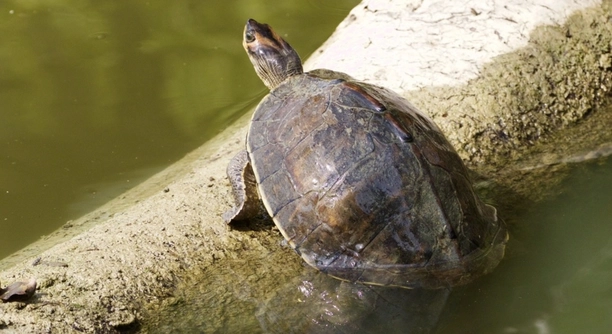
If you’ve noticed that your Indian Roofed Tortoise hasn’t been pooping, you might be concerned. This behavior can be frustrating and concerning for any pet owner. Understanding why it happens is important for their health.
The primary reason your Indian Roofed Tortoise may not be pooping is due to improper diet, dehydration, or stress. These factors can cause constipation or delay digestion, which can lead to discomfort and potential health problems for the tortoise.
Addressing the causes of this issue can improve your tortoise’s health and help restore regular bowel movements. It’s important to act quickly to ensure their well-being.
Common Causes of Tortoise Constipation
Dehydration, diet, and stress are the main causes of constipation in Indian Roofed Tortoises. They need access to fresh water and the right kind of food to stay healthy. Tortoises can easily become dehydrated, especially if they’re not getting enough moisture from their diet or water source. Dehydration leads to hard stool that’s difficult to pass.
Inadequate fiber in their food can also cause problems. Tortoises require a high-fiber diet consisting mainly of leafy greens and grasses. A lack of these foods can slow down digestion and lead to constipation. It’s essential to provide a varied diet rich in these nutrients to keep your tortoise regular.
Another reason for constipation can be stress, often caused by changes in their environment or handling. Tortoises are sensitive creatures, and disruptions in their routine can cause them to stop eating, leading to digestive issues. Managing their environment, providing a consistent routine, and ensuring they feel safe can alleviate stress and improve digestion.
How to Correct These Issues
The first step in addressing constipation is ensuring your tortoise is well-hydrated. Providing fresh water daily and misting their enclosure can help maintain moisture levels. Additionally, include foods that are high in fiber, such as dandelion greens, clover, and leafy vegetables. Avoid feeding them too many fruits, as these can be too rich and may lead to digestive imbalance.
If stress is a factor, consider adjusting your tortoise’s habitat to reduce potential stressors. A calm, quiet environment with adequate space is important for their well-being. If you’ve recently moved them to a new home, give them time to acclimate to their surroundings. Lastly, if your tortoise remains constipated for more than a few days, a visit to the vet may be necessary. The vet can provide a professional diagnosis and ensure there are no underlying medical issues contributing to the problem. Regular check-ups help prevent long-term health complications.
Identifying Dehydration in Your Tortoise
If your tortoise is not drinking water or eating foods that provide moisture, dehydration may be the cause. Signs include dry, sunken eyes, a lack of appetite, and hard, dry stools. A dehydrated tortoise may also become lethargic and less active than usual.
To prevent dehydration, provide fresh water daily and ensure the humidity in their enclosure is appropriate. If your tortoise isn’t drinking water on its own, try gently soaking them in lukewarm water for 15 to 20 minutes. This method helps rehydrate them and encourages drinking. You can also mist their environment to maintain proper humidity levels. This will aid in digestion and prevent dehydration-related constipation.
Adding water-rich foods like cucumber, watermelon, and leafy greens to their diet is another effective way to help with hydration. Make sure the food is cut into small, manageable pieces. Monitoring their hydration levels will help you keep your tortoise in good health and avoid further digestive issues.
Improving Your Tortoise’s Diet
A balanced diet is crucial for a healthy tortoise. Indian Roofed Tortoises thrive on high-fiber, low-protein foods such as dandelion greens, clover, and hay. This diet promotes proper digestion and helps prevent constipation. Avoid feeding them fruits and high-protein foods too often, as these can lead to digestive issues.
To improve their diet, provide a variety of greens and grasses daily. This will not only give them the right nutrients but also encourage natural foraging behavior. You can also supplement their diet with occasional flowers, such as hibiscus or nasturtium, which are safe and enjoyable for them to eat. Avoid processed or commercial tortoise food, as it often lacks the necessary nutrients and fiber.
Providing access to fresh, clean food daily is essential for their well-being. Regularly monitor their food intake and adjust based on their health and digestive needs.
Managing Stress in Your Tortoise
Stress can easily cause a tortoise to stop eating, which may lead to constipation. Changes in their environment, temperature fluctuations, or excessive handling can all stress them out. Make sure their living space is quiet and secure, with minimal disruptions.
A consistent routine can help reduce stress levels. If possible, avoid handling your tortoise too much, especially if they are still adjusting to their environment. Keep their enclosure temperature steady, as fluctuations can be stressful. Also, ensure their enclosure is large enough for them to move freely.
By making their environment stable and calm, you can greatly reduce stress and help your tortoise stay healthy.
Soaking Your Tortoise
Soaking your tortoise in lukewarm water for 15-20 minutes can help encourage bowel movements and rehydrate them. This method is useful when your tortoise seems constipated or dehydrated. Place your tortoise in a shallow dish of water, ensuring the water covers their legs but not their shell.
During this time, monitor them closely, ensuring they do not get too cold. You can also gently massage their abdomen to help stimulate digestion. Regular soaking can prevent constipation and promote better hydration. However, avoid over-soaking as this can lead to stress or discomfort.
Environmental Conditions and Lighting
The right temperature and lighting are essential for digestion. Tortoises require access to both UVB light and heat to help process food and maintain healthy metabolism. If the basking area is too cool, it can slow down their digestive system.
Keep their enclosure at a proper temperature gradient, ensuring they have a warm basking spot. UVB lighting is also crucial, as it helps them synthesize vitamin D3 and process calcium. Without these essential factors, your tortoise’s health and digestion may suffer. Make sure their environment mimics their natural habitat to support overall well-being.
FAQ
Why is my Indian Roofed Tortoise not pooping?
There are several reasons your tortoise might not be pooping. The most common causes are dehydration, improper diet, stress, or an unsuitable environment. If your tortoise isn’t eating or drinking enough, it can lead to constipation. An imbalanced diet with too many fruits or not enough fiber can also contribute. Stress from changes in their environment or excessive handling may cause them to stop eating, further leading to digestive issues.
How often should my tortoise be pooping?
A healthy tortoise typically poops every few days. The frequency can depend on their diet and overall health. If you’re providing a proper high-fiber diet, they should be pooping regularly. Tortoises that eat a lot of fresh greens tend to poop more often. If it’s been a week or longer without any bowel movements, it could be a sign of a health problem, and you may want to seek veterinary advice.
What can I do if my tortoise is not eating?
If your tortoise isn’t eating, check the temperature and lighting in their enclosure. Tortoises require a specific temperature gradient, with a basking area that is warm enough. Without proper warmth, they won’t feel like eating. Stress or changes in their environment can also lead to a loss of appetite. Make sure your tortoise has a consistent, calm environment and a varied diet of leafy greens and grasses. If the problem persists, a vet visit might be necessary.
Can stress really cause constipation in a tortoise?
Yes, stress can lead to constipation in tortoises. Tortoises are sensitive to changes in their environment, temperature fluctuations, or excessive handling. If your tortoise feels threatened or uncomfortable, it might stop eating, which can lead to digestive issues like constipation. To reduce stress, provide a quiet and secure living space with minimal disruptions and a consistent routine.
How do I know if my tortoise is dehydrated?
Signs of dehydration in a tortoise include dry, sunken eyes, hard or dry stools, lethargy, and a lack of appetite. A dehydrated tortoise may also seem less active than usual. To prevent dehydration, make sure your tortoise has access to fresh water every day. Soaking them in lukewarm water for 15-20 minutes can also help with hydration.
What should I feed my Indian Roofed Tortoise to prevent constipation?
A healthy diet for an Indian Roofed Tortoise consists of high-fiber foods like leafy greens, grasses, and dandelion greens. These foods help with digestion and prevent constipation. Avoid feeding them high-protein foods or fruits too often, as they can upset their digestion. You can also provide occasional flowers like hibiscus, which are safe for tortoises.
How long can a tortoise go without pooping?
Most tortoises can go without pooping for a few days to a week without issue. However, if it’s been longer than that, especially if they are showing other signs of discomfort or lethargy, it’s important to look for signs of dehydration or other digestive problems. If they don’t poop for a prolonged period, consult a veterinarian for advice.
Is it okay to soak my tortoise every day?
It’s generally safe to soak your tortoise every day, but it should be done in moderation. Soaking helps keep them hydrated and can stimulate digestion, especially if they are constipated. However, do not over-soak them, as prolonged exposure to water can cause stress or discomfort. Limit soaks to 15-20 minutes per session.
What is the best temperature for my tortoise’s habitat?
Your tortoise’s habitat should have a temperature gradient, meaning it should be cooler at one end and warmer at the other. The basking area should be between 85-95°F (29-35°C). The cooler side of the enclosure should be around 70-75°F (21-24°C). This allows your tortoise to regulate its body temperature and digest food properly. Make sure the enclosure is large enough for your tortoise to move freely and find a comfortable spot.
Can I feed my tortoise fruit?
Tortoises can eat fruit in moderation, but it shouldn’t be a regular part of their diet. Fruits are high in sugar and can lead to digestive issues like diarrhea or an upset stomach if fed too often. Stick to leafy greens and grasses as the primary food sources. Occasional fruit, like berries or watermelon, can be offered as a treat but shouldn’t make up more than 10% of their diet.
What kind of water should I give my tortoise?
Provide fresh, clean water daily for your tortoise. Avoid using chlorinated tap water, as it can harm them. If your local water is heavily chlorinated, consider using filtered or dechlorinated water. You can also mist their environment to increase humidity, which helps with hydration.
How can I prevent my tortoise from becoming overweight?
Overfeeding your tortoise can lead to obesity, which can cause health problems. Make sure to provide the proper balance of foods, focusing on high-fiber greens and grasses while limiting high-protein foods. Offering variety in their diet helps ensure they get the right nutrients. Also, monitor their activity level to make sure they are moving around and not becoming sedentary.
Is it okay for my tortoise to have a companion?
Tortoises are generally solitary animals and don’t always enjoy the company of other tortoises. Adding another tortoise to their enclosure could cause stress or territorial behavior. If you do decide to keep more than one, make sure they have plenty of space and separate hiding spots. Watch for any signs of aggression or stress.
What should I do if my tortoise’s eyes are swollen?
Swollen eyes in a tortoise could be a sign of infection or a health issue. It can also indicate that your tortoise has not been getting enough UVB light, which is necessary for vitamin D3 synthesis. If you notice swelling or discharge from the eyes, consult a vet immediately to determine the cause and get proper treatment.
Can I handle my tortoise often?
While tortoises can tolerate some handling, excessive handling can cause stress. It’s best to minimize handling to avoid disrupting their routine. Only handle your tortoise when necessary, and always make sure it’s done gently and with respect for their comfort. Let them spend most of their time in their environment, where they feel secure.
How do I clean my tortoise’s enclosure?
Cleaning your tortoise’s enclosure regularly is important to prevent the buildup of waste and bacteria. Clean out any uneaten food, feces, and soiled bedding every few days. Thoroughly clean the enclosure with mild soap and water once a week, and disinfect it with a reptile-safe cleaner. Always ensure the habitat is dry before putting your tortoise back inside to avoid mold growth.
When should I take my tortoise to the vet?
If your tortoise shows signs of prolonged constipation, refuses to eat, or has swollen eyes, it’s time for a vet visit. Also, if they appear lethargic or are losing weight, don’t delay in seeking professional help. Early diagnosis can prevent serious health issues. Regular check-ups are also important to ensure your tortoise’s overall well-being.
Final Thoughts
Taking care of an Indian Roofed Tortoise requires attention to detail, consistency, and patience. By maintaining a proper diet, providing an appropriate environment, and staying aware of health signs, you can ensure a long, healthy life for your pet. It is important to remember that these tortoises, like all animals, have specific needs that must be met for their well-being. By offering them the right care, they will thrive in their habitat.
Creating the right environment is crucial for your tortoise’s health. This includes the right temperature, humidity, and lighting, as well as the space for them to roam. Make sure your tortoise has access to fresh water every day and is eating a balanced diet full of fiber-rich greens. Regularly checking the enclosure and making any necessary changes will help prevent potential problems down the line. When the habitat is set up correctly, your tortoise will feel more comfortable and secure.
Lastly, always monitor your tortoise for any changes in behavior, eating habits, or physical condition. Early detection of health issues can make a big difference in treatment outcomes. If you’re unsure about any aspect of care, consulting a vet with experience in reptiles is a good step. With the right care and attention, your Indian Roofed Tortoise will live a happy and healthy life for many years.

Hello,
If you enjoy the content that we create, please consider saying a "Thank You!" by leaving a tip.
Every little bit helps us continue crafting quality advice that supports the health, happiness, and well-being of pets around the world, for pets of all shapes, sizes, and species.
We really appreciate the kindness and support that you show us!