
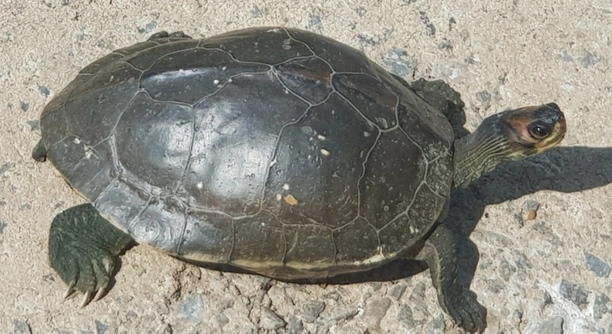
Decorating a tank for your Indian Roofed Tortoise can enhance its habitat while ensuring it’s safe and comfortable. Choosing the right decorations is essential for their well-being. Safe, suitable elements can also make the tank visually appealing.
It is crucial to select tank decorations that are safe for Indian Roofed Tortoises. Items like smooth rocks, live plants, and hideouts provide both enrichment and safety. Avoid sharp or small items that could cause injury or digestive issues.
Creating a beautiful yet safe environment for your tortoise is simpler than it seems. The following safe tank decoration ideas will help provide comfort while keeping your pet happy and secure.
Choosing Smooth Rocks for Your Tortoise Tank
Smooth rocks are a great choice for Indian Roofed Tortoise tanks. They can serve as climbing surfaces, basking spots, and visual interest in the environment. When selecting rocks, choose ones that are smooth to the touch, as sharp edges could injure your tortoise. The rocks should also be large enough to prevent your pet from accidentally swallowing them. These rocks can be placed in various spots around the tank to create different levels, encouraging movement and exercise for your tortoise. Additionally, ensure that the rocks are easy to clean, as dirt and waste can accumulate quickly.
Using natural, untreated rocks in the tank will create a more organic look. It’s important to avoid painted or coated rocks that could potentially leach harmful chemicals into the habitat. By selecting the right types of rocks, you can help promote your tortoise’s physical and mental well-being.
Smooth rocks also provide a beneficial surface for tortoises to grind down their beaks, which is important for their overall health. Always ensure that the rocks you use are safe and properly maintained to keep your tortoise healthy.
Live Plants to Enhance the Environment
Live plants can be a wonderful addition to a tortoise tank. They offer natural hiding spots and contribute to a more vibrant, naturalistic look.
Plants like spider plants, dandelions, and clover are excellent choices. However, be mindful of toxic plants that can harm your tortoise.
Hideouts for Privacy and Comfort
Hideouts give your tortoise a space to retreat when they need to rest or feel secure. These can be simple shelters or more elaborate caves, depending on the space available. It’s important to choose hideouts that are large enough for your tortoise to fit comfortably but not so large that it feels too exposed.
A good hideout provides shelter from the light and gives your tortoise a sense of security. Materials such as natural wood or ceramic work well, as they can maintain a stable temperature. Avoid plastic options that may retain too much heat, making the hideout uncomfortable.
Position the hideout in a cooler area of the tank to provide a contrast to the warmer basking spots. This will give your tortoise the ability to regulate their body temperature by choosing where to spend their time. Over time, the hideout can become a place where your tortoise feels truly at ease, helping reduce stress.
Water Dish for Hydration and Bathing
A shallow water dish is essential for hydration and soaking. Tortoises use water not only to drink but also to soak in for hydration and skin health. Make sure the dish is wide enough for them to climb in and out of easily without risking injury.
The water should be changed regularly to prevent bacteria buildup, as tortoises are known to defecate in their water. A shallow, sturdy dish made of ceramic or heavy-duty plastic is best. Avoid plastic dishes that can tip over or those that are too deep for your tortoise to safely climb out of.
It’s also important to place the water dish in a spot that’s easily accessible to your tortoise, but not too close to their food. This helps keep the tank cleaner and ensures your tortoise has the space to drink and soak without stress. Regular maintenance of the water dish is key for keeping the habitat clean.
Soft Substrate for Comfort and Health
A soft, natural substrate is important for your tortoise’s comfort and health. Materials like coconut fiber or organic soil allow your tortoise to dig, burrow, and rest easily. Ensure the substrate is not too deep, as it could cause respiratory issues or get ingested.
The substrate also helps maintain humidity levels and temperature. A thicker layer provides insulation, preventing the tank from getting too hot or cold. Make sure the substrate is kept clean to avoid the growth of harmful bacteria. It should be spot-cleaned regularly, and the entire layer replaced as needed.
Basking Spot with Proper Heat Source
Tortoises need a basking spot with a proper heat source to regulate their body temperature. This spot should be under a heat lamp that provides warmth and UVB light. The basking area should be warm, but not too hot.
Proper lighting and temperature are crucial for your tortoise’s overall health. Use a reliable thermometer to maintain the correct temperature gradient, with a warmer basking area and a cooler spot for resting. Keeping the basking spot clean ensures your tortoise can benefit from it every day.
Safe Decorations
Decorations can make your tortoise’s tank more interesting without compromising safety. Avoid anything small enough to be swallowed or sharp that could cause injury.
Sturdy, natural decorations like wooden logs or large, smooth rocks are best. Keep the decoration’s size and weight in mind to prevent it from tipping over or becoming a hazard.
FAQ
How often should I clean my tortoise’s tank?
Cleaning your tortoise’s tank regularly is essential for maintaining a healthy environment. Spot-clean the tank daily by removing any waste or uneaten food. The substrate should be replaced every 2 to 3 months, depending on how dirty it gets. A full tank cleaning, including washing the decorations, water dish, and substrate, should be done monthly to ensure the habitat stays sanitary. Always use non-toxic cleaners to avoid harming your tortoise.
Can I use artificial plants in my tortoise’s tank?
While artificial plants can add aesthetic appeal to the tank, they should be used with caution. Ensure they are free from sharp edges that could injure your tortoise. Some artificial plants are made with chemicals or dyes that can be harmful, so it’s safer to opt for plastic plants made with non-toxic materials. If you choose artificial plants, ensure they are sturdy and won’t tip over easily.
What temperature should my tortoise’s tank be?
The tank should have a temperature gradient, with a basking spot between 90°F and 95°F and a cooler area ranging from 75°F to 85°F. You can achieve this by using a heat lamp for the basking area and a ceramic heat emitter for the cooler parts. Using a thermometer is crucial to monitor the temperature and adjust accordingly. This gradient allows your tortoise to regulate its body temperature by moving between the warm and cooler areas.
Is UVB lighting necessary for my tortoise?
Yes, UVB lighting is necessary for your tortoise’s health. It helps them synthesize vitamin D3, which is essential for calcium absorption and overall well-being. Without adequate UVB light, your tortoise could develop metabolic bone disease. Make sure the UVB bulb is positioned over the basking spot and replace it every 6 to 12 months, as its effectiveness decreases over time.
Can I put other animals in the same tank as my tortoise?
It’s generally not recommended to house other animals with your Indian Roofed Tortoise. Tortoises are solitary creatures and may become stressed or territorial if other animals are introduced. If you choose to house another pet in the same tank, make sure they are compatible with your tortoise’s needs and temperament. Always supervise interactions to ensure the safety of both animals.
What kind of food should I provide for my tortoise?
Indian Roofed Tortoises are primarily herbivores, and their diet should consist mainly of leafy greens, grasses, and occasional fruits. Offer a variety of vegetables like dandelion greens, collard greens, and hibiscus flowers. Avoid feeding them high-oxalate foods, such as spinach, in large amounts, as it can interfere with calcium absorption. You can occasionally provide fruits like berries or melon as a treat. Fresh water should always be available.
How much space does my tortoise need?
Tortoises need plenty of space to move around and explore. A minimum of 40 to 50 gallons of space is recommended for a single tortoise, though larger tanks are always better. The tank should allow your tortoise to walk freely, have areas to climb, bask, and hide. If you’re housing multiple tortoises, ensure the tank is large enough for each to have their own space.
Is it necessary to add humidity to my tortoise’s tank?
Indian Roofed Tortoises are accustomed to moderately humid environments. Maintaining some humidity in the tank is important, but it doesn’t need to be excessively high. A humidity level between 50% and 60% is ideal. You can increase humidity by misting the tank lightly or using a shallow water dish. Make sure there’s a dry area for your tortoise to retreat to when needed.
Can I use sand as a substrate for my tortoise?
Sand is not the best substrate for your tortoise. It can cause digestive issues if ingested, leading to impaction. Additionally, sand does not help with humidity regulation or temperature control. It’s better to choose a softer, more natural substrate like coconut fiber, organic soil, or a mixture of both. These substrates are safer and provide a more comfortable environment for your tortoise.
What should I do if my tortoise isn’t eating?
If your tortoise isn’t eating, it could be a sign of stress, illness, or improper environmental conditions. Check the tank’s temperature and humidity to ensure they are within the recommended ranges. If the conditions are right and your tortoise still refuses food, consider offering a variety of different greens or fruits. If the problem persists for more than a few days, it’s best to consult a veterinarian experienced with reptiles to rule out any health issues.
Final Thoughts
Creating a safe and comfortable habitat for your Indian Roofed Tortoise is essential for its health and well-being. By providing the right decorations, substrate, and lighting, you can ensure your tortoise has a suitable environment to thrive in. The right tank setup encourages natural behaviors, like digging, basking, and exploring, which are all important for your tortoise’s mental and physical health. Regular cleaning and maintaining proper temperatures and humidity levels will help keep the environment stable and prevent health issues. When you provide these basic essentials, your tortoise will have the best chance to live a long, happy life.
It’s important to remember that every tortoise is unique, and their needs may vary depending on their age, size, and health. While setting up the tank is an important part of care, ongoing monitoring and adjusting the environment is key. Be sure to check the lighting, temperature, and humidity regularly. Keeping the tank clean, avoiding overcrowding, and offering a balanced diet will also ensure your tortoise stays healthy. If you’re ever uncertain about your tortoise’s needs or behavior, don’t hesitate to consult a reptile veterinarian.
Ultimately, the goal is to create a comfortable, safe space where your tortoise can live naturally and stress-free. Providing the right environment is just one aspect of caring for a tortoise, but it’s a critical one. As long as you stay attentive to their needs, your tortoise will likely thrive and continue to be an enjoyable companion for years to come.

Hello,
If you enjoy the content that we create, please consider saying a "Thank You!" by leaving a tip.
Every little bit helps us continue crafting quality advice that supports the health, happiness, and well-being of pets around the world, for pets of all shapes, sizes, and species.
We really appreciate the kindness and support that you show us!