
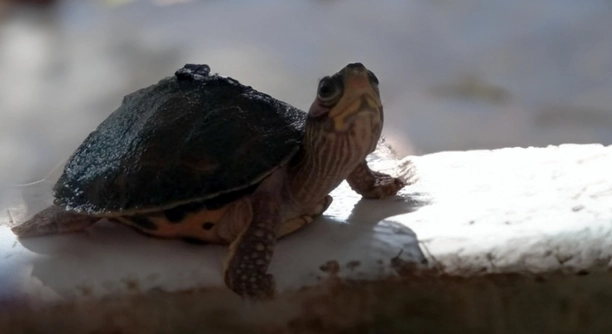
Indian Roofed Tortoises are beloved for their unique appearance and gentle nature. However, keeping them safe in a household environment requires careful attention to potential hazards. Knowing what to avoid is key to their well-being.
To protect an Indian Roofed Tortoise from household dangers, ensure their environment is free from chemicals, sharp objects, and extreme temperatures. Provide a safe, spacious enclosure with proper substrate, lighting, and humidity. Regular health checks are essential.
Understanding how to protect these creatures from everyday risks will help ensure they live long, healthy lives in your home. Let’s explore the essential steps to safeguard your tortoise.
Creating a Safe Enclosure
A secure enclosure is essential for your Indian Roofed Tortoise’s safety. It should be spacious enough for them to roam comfortably, with a secure lid or walls to prevent escape. The floor should be covered with a substrate like coconut fiber or organic topsoil to maintain proper humidity. This also helps your tortoise feel more at home, as it mimics their natural environment.
Ensure the enclosure is placed in an area that is free from direct drafts or extreme temperatures. Excessive heat can cause stress, while sudden cold temperatures can lead to health problems. Proper lighting is equally important; invest in a UVB light to promote shell and bone health.
With the right setup, your tortoise will have a safe space to thrive. Be sure to monitor the temperature and humidity regularly to maintain the ideal environment for your pet.
Avoiding Household Chemicals
Household chemicals can pose a significant risk to your tortoise. Common products like cleaners, pesticides, and air fresheners contain substances harmful to reptiles. Even small amounts of exposure can cause severe health issues, including respiratory problems and skin irritation.
To protect your tortoise, store all chemicals in a secure, out-of-reach location. Never use any cleaning product inside their enclosure, and ensure any room with your tortoise is free of strong fumes or chemicals. Natural cleaning alternatives are a safer option for maintaining the environment without endangering your pet.
Having a chemical-free home helps ensure your tortoise stays healthy and avoids unnecessary stress.
Protecting From Sharp Objects
Sharp objects can easily injure your Indian Roofed Tortoise, especially since they often explore by moving slowly around their environment. Ensure that there are no exposed edges or hazardous items in their enclosure.
Keep their habitat free of anything that could cause cuts or scrapes. This includes sharp decorations, broken terracotta pots, or hard plastic items. Regularly check the enclosure for any hazards that may have appeared. Also, ensure any items they come into contact with, like food containers or toys, are smooth and safe.
By keeping the environment free of sharp edges, you’re reducing the risk of injury and making your tortoise’s life safer.
Avoiding Overexposure to Heat
Indian Roofed Tortoises need warmth, but overexposure to direct heat can be dangerous. Their basking area should be set up carefully to avoid overheating.
The ideal temperature range for basking is between 85°F and 90°F (29°C to 32°C). A heat lamp is recommended for this, but avoid placing it too close to the tortoise. If the enclosure becomes too hot, it can lead to dehydration or even heat stroke. Use a thermometer to monitor the temperature regularly and adjust the heat source as needed.
Proper heat management is key to ensuring your tortoise stays comfortable and safe in its home.
Keeping Them Away From Small Spaces
Small spaces are a serious risk for Indian Roofed Tortoises. They may try to wedge themselves into tight areas, which can lead to injury or difficulty escaping.
Ensure their enclosure doesn’t have gaps that are too narrow for them to crawl through. Check for small cracks or holes that could trap them. Tight, confined spaces can cause stress, so keep their environment open and spacious.
This will give them the freedom to roam without the worry of getting stuck or injured.
Managing Lighting and UVB Exposure
Lighting is crucial for your tortoise’s health. UVB light helps them synthesize vitamin D3, essential for their shell and bone development. A UVB light should be provided for 10-12 hours a day.
Ensure the light is placed at the correct distance from your tortoise to avoid burning or inadequate exposure. Regularly replace the bulb, as the UVB output diminishes over time, even if the light still works.
Proper lighting is vital to maintaining your tortoise’s overall health and helping them thrive in captivity.
Protecting From Pets
Household pets, especially dogs and cats, can pose a significant threat to your Indian Roofed Tortoise. Even friendly pets may unintentionally harm them due to curiosity or rough behavior.
Ensure that your tortoise’s enclosure is secure and out of reach of other pets. Pets should not be allowed in the area where the tortoise resides. Even if your pets are well-behaved, they may still injure the tortoise through unintentional actions like jumping or scratching at the enclosure.
By keeping your tortoise and other pets separate, you can minimize the risk of harm.
FAQ
How can I tell if my Indian Roofed Tortoise is stressed?
Signs of stress in an Indian Roofed Tortoise can include lack of appetite, hiding more than usual, and a change in behavior, such as pacing or lethargy. Stress may also manifest as a shell that appears soft or abnormal. It’s important to keep their environment calm and stable to reduce stressors. Monitor the temperature, humidity, and lighting in their enclosure to ensure it is at the right levels. Regular handling should be avoided, as too much can cause stress.
What should I feed my Indian Roofed Tortoise?
Indian Roofed Tortoises are herbivores, and their diet should consist mainly of leafy greens like dandelion greens, collard greens, and mustard greens. You can also feed them vegetables such as squash, bell peppers, and carrots. Occasionally, they can enjoy fruits like strawberries, apples, or papaya, but in moderation due to their high sugar content. It’s crucial to avoid feeding them processed or high-fat foods, as these can cause health issues. Additionally, make sure they have access to clean water at all times.
How often should I bathe my Indian Roofed Tortoise?
Bathing your Indian Roofed Tortoise once or twice a week is generally recommended. This helps them stay hydrated and can assist with their digestion. To bathe them, place them in shallow, warm water (about 85°F or 29°C) for 15-20 minutes. Always supervise them during the bath to ensure they don’t slip or become stressed. After the bath, gently dry them off and return them to their enclosure. If you notice any signs of dehydration, you can increase the frequency of their baths.
Can I keep an Indian Roofed Tortoise with other pets?
It is possible to house an Indian Roofed Tortoise with other pets, but it requires careful planning. Tortoises should never be kept with pets that may view them as prey or could be aggressive. Cats, dogs, and other larger animals may inadvertently harm the tortoise. If you want to keep your tortoise with other reptiles, research the species thoroughly to ensure compatibility. The safest approach is to house your tortoise alone in a secure, separate space where they won’t be at risk from other pets.
How do I create the right humidity for my tortoise?
Indian Roofed Tortoises need moderate humidity to thrive. The humidity level in their enclosure should range between 50% and 60%. To maintain this, you can mist their enclosure lightly every few days. Adding a shallow water dish or a humidifier near the enclosure can help as well. Keep the substrate moist but not soaking wet. Too much moisture can lead to mold growth, so monitor the humidity level with a hygrometer to avoid this. Be sure to provide adequate ventilation in the enclosure to prevent any buildup of excessive humidity.
What temperature should my tortoise’s enclosure be?
The ideal temperature for an Indian Roofed Tortoise’s enclosure should range between 75°F and 85°F (24°C to 29°C) during the day, with a basking area reaching 90°F (32°C). At night, the temperature can drop to around 70°F (21°C). Use a thermostat and thermometer to maintain these temperatures. A heat lamp can be used to create the basking area, but be cautious not to place it too close to the tortoise, as overheating can cause stress. Regularly check the temperature to ensure it remains stable.
How long do Indian Roofed Tortoises live?
Indian Roofed Tortoises can live for 50 to 100 years if properly cared for. Their longevity largely depends on their environment, diet, and healthcare. Proper lighting, temperature, and humidity levels are essential for their long-term health. Regular health checks and a balanced diet also contribute to a long, healthy life. If you plan to keep a tortoise, it’s essential to be prepared for their extended lifespan.
What should I do if my tortoise is not eating?
If your tortoise refuses food, it could be a sign of stress, illness, or environmental issues. First, check the enclosure’s temperature, humidity, and lighting, as improper conditions can cause appetite loss. If the environment seems fine, consider changes in diet or offer different types of greens or vegetables. If the refusal to eat persists for more than a few days, it’s best to consult with a veterinarian, as it could indicate a health issue.
Can I take my tortoise outside?
Yes, you can take your Indian Roofed Tortoise outside, but only under safe conditions. Make sure the area is secure and free from predators or other pets. If you live in an area where the weather is warm enough, you can let your tortoise roam on grass or dirt, but never leave them unsupervised. Be cautious of sudden changes in weather, as they can overheat or get too cold quickly. When outside, ensure they have access to shaded areas and clean water.
How can I tell if my tortoise is healthy?
A healthy Indian Roofed Tortoise will have a firm, smooth shell without any soft spots or cracks. Their eyes should be clear, bright, and open, and they should move around steadily when active. Healthy tortoises are alert and responsive to their environment. They should eat regularly and drink water as needed. Any changes in behavior, shell condition, or appetite could indicate illness. If you suspect any health issues, consult a reptile veterinarian promptly. Regular health check-ups can help ensure they remain in good condition.
Final Thoughts
Taking care of an Indian Roofed Tortoise requires a good understanding of their basic needs, like temperature, humidity, and diet. It is important to create a safe and comfortable environment for them. This means making sure their enclosure is spacious, with enough room to roam. A proper diet, consisting mostly of fresh greens and vegetables, is key to their health. Avoiding processed foods and offering a variety of natural options can help keep your tortoise active and healthy. Regular baths, proper lighting, and careful monitoring of their habitat can prevent many common issues.
While tortoises can be hardy animals, they still require consistent attention and care. Regular health check-ups are important to catch any early signs of illness. Keeping their enclosure clean and free from harmful bacteria is also essential for their well-being. It’s crucial to pay attention to their behavior and make adjustments if they show signs of stress or discomfort. Ensuring their shell remains hard and smooth, and monitoring their diet and hydration, will help them live a long life.
Indian Roofed Tortoises can live for many years, even up to a century with the right care. It is a long-term commitment, so be prepared for the responsibility of providing for their needs over time. With patience and consistency, you can build a trusting bond with your tortoise. By making their habitat as close to their natural environment as possible, you are helping them lead a healthier, happier life. While it takes effort, the rewards of having a tortoise as a pet are well worth it.

Hello,
If you enjoy the content that we create, please consider saying a "Thank You!" by leaving a tip.
Every little bit helps us continue crafting quality advice that supports the health, happiness, and well-being of pets around the world, for pets of all shapes, sizes, and species.
We really appreciate the kindness and support that you show us!