
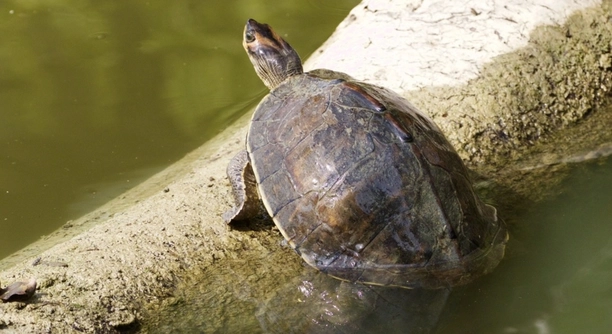
Your Indian roofed tortoise may often be seen gazing upwards, but this behavior can leave you wondering why. Understanding the reasons behind this action can help ensure your pet’s health and well-being.
Your tortoise’s habit of looking up can be a natural response to its environment. It may be curious, trying to spot food, or reacting to changes in light or temperature. Certain species also engage in this behavior instinctively.
This behavior may indicate a deeper connection with your tortoise’s surroundings and needs. Understanding its causes is important for addressing potential issues and ensuring the comfort of your pet.
Why Does My Indian Roofed Tortoise Look Up So Often?
There are several reasons why your Indian roofed tortoise might be staring upward. One possibility is that it’s simply being observant of its environment. These tortoises are naturally curious creatures, and looking up could be their way of scanning for potential threats or food sources. It could also be related to their instinctual behavior to seek shelter or detect any changes in their surroundings, such as changes in light or temperature. If your tortoise spends a lot of time outside, it may also be reacting to the sky, birds, or other objects above them.
The upward gaze can also be a sign of a health concern. Tortoises may look up due to respiratory issues, which can sometimes be a sign of an infection. In these cases, if the behavior is accompanied by signs of lethargy or changes in appetite, a visit to the vet might be necessary.
Environmental changes can trigger this response as well. Your tortoise may simply be adjusting to a new setting, which can cause it to observe more carefully. Being mindful of its surroundings is part of its natural instincts.
Potential Environmental Triggers
Your tortoise may also look up in response to environmental changes, especially light and temperature. It could be adjusting to its habitat, sensing a shift in its surroundings.
Changes in light or heat can prompt your tortoise to lift its head and search for a comfortable spot. Tortoises are sensitive to these shifts, so if you’re providing a heat lamp or have changed the light levels in its habitat, it could cause your tortoise to react. The warmth from these sources may also encourage them to look up and bask in the heat.
Providing a stable and comfortable environment is key. If your tortoise’s habitat is too cold or too hot, it may be more prone to looking up in search of comfort. Tortoises need a proper balance of heat, light, and humidity to stay healthy and active. Any disruption in this balance can lead to behavior changes, such as looking upward more frequently. Be sure to check the temperature and light levels regularly to maintain a suitable environment for your pet.
Possible Health Issues
If your tortoise is consistently looking up and displaying other signs of distress, it might indicate a health issue. Respiratory infections are common in tortoises, and they can make it harder for your pet to breathe properly.
A tortoise with a respiratory infection might stretch its neck upward or keep its head tilted in an effort to breathe more easily. This behavior can also be accompanied by discharge from the nose, wheezing, or labored breathing. It’s important to monitor any other unusual signs, like loss of appetite or lethargy.
If you notice these symptoms, it’s crucial to seek veterinary care immediately. Respiratory infections can worsen quickly, so addressing them early on is important. A vet will diagnose the problem and guide you on the best course of treatment to help your tortoise recover.
The Role of Diet and Nutrition
Your tortoise’s diet may also influence its behavior, including its tendency to look up. If your pet is not getting the right balance of nutrients, it may display unusual actions. A lack of calcium or improper food intake can lead to health issues.
Inadequate calcium can cause bone problems or metabolic issues, leading your tortoise to behave differently. For example, if the tortoise is struggling with calcium deficiency, it might look up in an attempt to find more food or sunlight. Ensuring that your tortoise receives the proper diet is key for its health.
To avoid dietary problems, provide a variety of leafy greens, and ensure that its diet includes calcium-rich foods. A calcium supplement, such as cuttlebone, can also help ensure your tortoise is getting enough of this essential nutrient. Regularly check the food your tortoise eats to keep its diet balanced.
Excessive Light or Heat Exposure
Tortoises often look up if they are exposed to too much light or heat. They naturally seek the right balance of warmth and shade.
If your tortoise is constantly basking or facing a heat lamp, it may be trying to regulate its body temperature. Overexposure to light can cause stress or discomfort.
Ensure that the light and heat sources are positioned correctly, giving your tortoise a chance to escape when needed. A proper gradient of temperatures allows your tortoise to move to a cooler or warmer spot as required.
Stress or Anxiety
Stress can also trigger unusual behaviors like looking up. If your tortoise is feeling anxious, it may look up to be more alert.
Factors like noise, new surroundings, or other pets can make a tortoise feel unsettled. When stressed, they may search for safety or simply react to the situation by staring upward.
Providing a quiet, secure environment is essential for your tortoise’s well-being. Try to minimize any disruptions or changes in their habitat.
Observation and Adjustment
Your tortoise’s upward gaze might be its way of adjusting to small changes in its environment. This is a normal response.
Every tortoise is unique, so it’s important to observe them closely. Changes in behavior often signal a need for adjustment in their care, whether it’s temperature, light, or diet.
FAQ
Why does my Indian Roofed Tortoise keep looking up?
Your tortoise may be looking up due to curiosity, trying to spot food or detect any changes in its surroundings. It could also be a response to environmental factors like light, temperature, or new objects around its habitat. If the behavior is consistent and accompanied by other signs of distress, it might signal a health issue or discomfort. Monitoring your tortoise’s environment and ensuring it remains comfortable will help determine if the behavior is due to natural curiosity or a need for medical attention.
Can my tortoise’s diet affect its behavior?
Yes, diet plays a crucial role in your tortoise’s behavior. If it’s not getting the right balance of nutrients, such as calcium or fiber, it may act out of the ordinary. For example, an insufficient intake of calcium can cause your tortoise to behave differently, including stretching its neck or looking up. Offering a variety of leafy greens and providing a calcium supplement, like cuttlebone, can help keep your tortoise healthy and reduce such behaviors.
How can I tell if my tortoise is sick?
If your tortoise is looking up consistently along with signs like lethargy, loss of appetite, or labored breathing, it may be ill. Respiratory infections are common in tortoises and could cause them to look up as they attempt to breathe easier. Watch for other symptoms such as discharge from the nose or mouth, and if you see these signs, it’s important to get your tortoise checked by a vet immediately. Early diagnosis is key for treatment.
Is it normal for my tortoise to look up when it’s outside?
Yes, it is normal for your tortoise to look up when it is outside. The behavior is likely a result of curiosity or an instinct to observe its surroundings. In the wild, tortoises may look up to detect threats from above or to spot food. They may also look up to bask in the sunlight or soak in warmth from the environment. However, be sure to watch for any signs of distress that might indicate a need for adjustment in the outdoor conditions.
How can I make my tortoise feel more comfortable?
To help your tortoise feel comfortable, ensure its habitat provides a stable temperature and humidity level. Set up a basking area with a heat lamp and a cooler spot for it to retreat to. Tortoises also need access to clean water, so be sure to provide a shallow water dish. Regularly check the conditions of its habitat to ensure it remains optimal for your pet’s health. Additionally, reducing stress by minimizing sudden changes in the environment can keep your tortoise calm and content.
How do I know if my tortoise is getting too much heat or light?
If your tortoise is constantly looking up toward a light source, it could be trying to find a comfortable spot or avoid too much heat. Overexposure to heat or light can cause stress or dehydration. Ensure the heat source is set at the proper distance and that your tortoise has enough shade or cooler areas to move to. You should also monitor the temperature to ensure it stays within the recommended range for your specific tortoise species.
Can my tortoise get dehydrated from looking up too much?
While the act of looking up itself doesn’t cause dehydration, the behavior may be a sign that your tortoise is seeking a more comfortable spot to regulate its body temperature or moisture levels. Dehydration can occur if your tortoise isn’t drinking enough water or if the humidity in its environment is too low. Make sure there’s always fresh water available and that your tortoise’s enclosure has appropriate humidity levels to prevent dehydration.
What should I do if my tortoise’s behavior changes suddenly?
If your tortoise suddenly starts looking up more often or exhibits other changes in behavior, it’s important to first check its environment. Are there any recent changes in temperature, lighting, or habitat setup? If the environment seems fine, closely observe your tortoise for any other signs of illness, like decreased appetite or lethargy. If the behavior persists or worsens, consult a veterinarian to rule out any health concerns.
Can my tortoise get too used to looking up?
If your tortoise constantly looks up without any visible signs of distress or illness, it might just be a natural habit or behavior. However, if it seems excessively fixated on looking up or if it starts showing other symptoms of discomfort, it could be a sign that something is off with its environment or health. Keep an eye on its behavior and make adjustments to its habitat if needed.
What’s the best way to observe my tortoise’s behavior?
Regular observation is key to understanding your tortoise’s behavior. Pay attention to any changes in its eating habits, activity levels, and how it interacts with its environment. Keep track of when your tortoise looks up or displays unusual behaviors. This will help you identify patterns and spot potential issues early on. Additionally, keep a log of temperature and humidity levels in its habitat, as these can influence its behavior.
Final Thoughts
Understanding why your Indian Roofed Tortoise often looks up can help you provide the best care for your pet. This behavior can be linked to a variety of factors, such as natural curiosity, environmental changes, or even health concerns. Tortoises are naturally observant, and they may look upward to check for food, detect threats, or respond to changes in their surroundings. If the behavior appears in a calm and natural context, it’s usually harmless. However, it’s important to monitor the environment for any stressors that might cause your tortoise to feel uncomfortable or unsettled.
In some cases, consistent upward gazing may be a sign of an underlying issue, such as a respiratory infection or improper environmental conditions. For example, if your tortoise appears to be looking up while also showing signs like wheezing, nasal discharge, or lethargy, it’s crucial to consult with a veterinarian as soon as possible. Respiratory infections in tortoises can worsen quickly, so getting early treatment is important to help your pet recover. Similarly, if the light or heat in the tortoise’s enclosure is not properly regulated, it can lead to stress or discomfort, which may cause your pet to frequently look up.
Ensuring that your tortoise’s habitat is comfortable and stable is essential. Keep the temperature and humidity at appropriate levels, and make sure your tortoise has access to both warm and cool areas. A healthy diet and regular care are also key to maintaining your pet’s overall well-being. If the behavior of your tortoise continues or worsens despite adjustments to its environment, it’s always a good idea to seek advice from a professional. Ultimately, paying attention to these small signs can help you create a safe and healthy environment where your tortoise can thrive.

Hello,
If you enjoy the content that we create, please consider saying a "Thank You!" by leaving a tip.
Every little bit helps us continue crafting quality advice that supports the health, happiness, and well-being of pets around the world, for pets of all shapes, sizes, and species.
We really appreciate the kindness and support that you show us!