
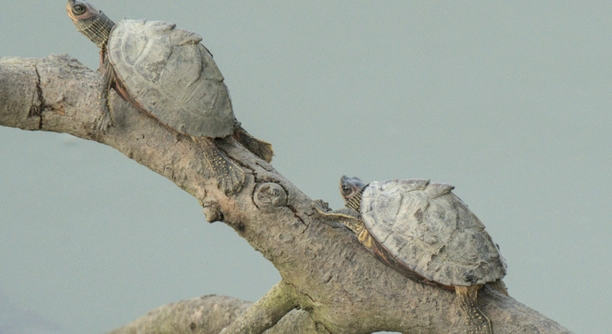
Leaf litter plays an important role in the habitat of Indian Roofed Tortoises, providing natural cover, enrichment, and food. Choosing the right types of leaves can improve their well-being and mimic their natural environment.
The best types of leaf litter for Indian Roofed Tortoises include a variety of leaves like oak, hibiscus, mulberry, and banana. These leaves offer essential nutrients and moisture retention, making them ideal for creating a suitable habitat for the tortoises.
Understanding how different leaves contribute to your tortoise’s environment will help you select the most suitable options for their health and comfort.
Why Leaf Litter is Essential for Indian Roofed Tortoises
Leaf litter is a crucial part of an Indian Roofed Tortoise’s environment. It provides them with a natural place to hide, explore, and forage, mimicking the forest floor they would inhabit in the wild. The leaves also help retain moisture in the habitat, which is important for your tortoise’s health. Many leaves contain essential nutrients that contribute to their diet, ensuring they get a varied and balanced intake of vitamins and minerals. Additionally, the presence of leaf litter allows your tortoise to engage in natural behaviors like digging and browsing, which keep them mentally and physically stimulated.
Without a proper layer of leaves, your tortoise’s habitat can become too dry, causing stress or health problems. It’s important to select the right kinds of leaves to ensure they remain safe and beneficial for your tortoise.
The leaves also promote better humidity levels in the enclosure. This moisture helps maintain a comfortable temperature, which is key to your tortoise’s well-being.
Best Types of Leaves to Use
There are several types of leaves that work well for creating a healthy environment for your tortoise.
Oak, hibiscus, mulberry, and banana leaves are the top choices, as they are nutritious, readily available, and easy to use in a tortoise’s habitat. These leaves are not only safe for your tortoise but also provide vital enrichment.
Using a variety of leaves ensures that your tortoise has a balanced mix of nutrients, which supports a more active and healthy life. Oak leaves, for instance, are rich in fiber and low in tannins, making them easy to digest. Hibiscus leaves are high in calcium, an essential nutrient for shell and bone health. Mulberry and banana leaves are packed with vitamins and minerals that help boost your tortoise’s immune system.
When preparing leaf litter for your tortoise, ensure the leaves are free of pesticides and chemicals. Organic leaves are always the best choice to avoid introducing any harmful substances into their environment.
Oak Leaves for Indian Roofed Tortoises
Oak leaves are an excellent choice for leaf litter in a tortoise’s enclosure. They’re easily accessible, and their texture provides a great surface for digging and hiding. The leaves are sturdy and hold up well in humid environments.
Oak leaves also have natural antimicrobial properties, which can help prevent harmful bacteria growth in the habitat. They’re not only beneficial for your tortoise’s environment but also help with moisture retention, ensuring that the habitat remains properly hydrated. Their high fiber content aids in digestion and supports overall health.
Though oak leaves are beneficial, make sure to use them in moderation. Too many leaves may create excess humidity, so it’s important to balance them with other types of litter. Regularly replace the leaves to keep the habitat clean and healthy.
Hibiscus Leaves for Indian Roofed Tortoises
Hibiscus leaves are another fantastic option for tortoises. They are rich in calcium, which is essential for your tortoise’s bone and shell health.
These leaves also provide a good amount of moisture, helping maintain proper humidity levels. Tortoises enjoy nibbling on hibiscus leaves, which can serve as both a food source and enrichment. The leaves are soft and easy to digest, making them a favorite of many tortoises.
However, it’s important to ensure that the leaves you use are free from pesticides or chemicals. Organic hibiscus leaves are ideal. Additionally, if the leaves become too wilted or soggy, remove them from the enclosure to prevent mold growth, which could harm your tortoise.
Mulberry Leaves for Indian Roofed Tortoises
Mulberry leaves are a great choice for tortoises, offering both food and enrichment. They are rich in vitamins and minerals, especially Vitamin C, which supports your tortoise’s immune system.
These leaves are soft and easy for tortoises to digest. Additionally, they help maintain a healthy balance in their habitat, offering natural hiding spots.
Banana Leaves for Indian Roofed Tortoises
Banana leaves are not only visually appealing but also beneficial for tortoises. They offer important nutrients like potassium, which helps with overall health. The large leaves create a comfortable environment for tortoises to explore.
They’re also sturdy, making them less likely to break down quickly in the habitat. You can use them as a surface for your tortoise to walk over or hide under. However, it’s best to replace them when they become too soggy or decayed to keep the habitat fresh and clean.
FAQ
What types of leaves should I avoid for my Indian Roofed Tortoise?
It’s important to avoid leaves that are toxic to tortoises. For example, leaves from plants like ivy, rhododendron, and daffodils are harmful. Additionally, some evergreen leaves, like those from pine or fir trees, can cause digestive issues due to their resin content. Always make sure the leaves you use are safe for tortoises. If you’re unsure, research the specific plant or consult with a veterinarian before using it.
How often should I replace the leaf litter in my tortoise’s enclosure?
Leaf litter should be replaced regularly to ensure a clean and healthy environment. Depending on the humidity and how much your tortoise interacts with the litter, you may need to replace it once a week or every few weeks. Remove any wet or decaying leaves promptly to prevent mold or bacteria from forming. Keeping the habitat dry and clean will help maintain proper conditions for your tortoise’s well-being.
Can I collect leaves from my yard for my tortoise?
Yes, you can collect leaves from your yard, but there are a few things to keep in mind. First, ensure that the leaves have not been treated with pesticides, herbicides, or any other chemicals that could harm your tortoise. Only collect leaves from non-toxic plants, such as oak or hibiscus. Avoid using leaves from plants that might have been exposed to pollutants or toxins.
Is it safe to use dried leaves for Indian Roofed Tortoises?
Dried leaves can be safe to use, but they tend to break down faster than fresh leaves. Make sure that the dried leaves are free of mold or any pests that could harm your tortoise. You can use dried leaves as an additional layer for the habitat, but it’s best to mix them with fresh leaves to ensure a healthy environment. Always monitor the condition of the dried leaves and replace them when necessary.
How do I ensure that the leaf litter stays clean and safe for my tortoise?
To keep leaf litter clean, regularly inspect the habitat and remove any old or rotting leaves. Spot clean the enclosure daily by removing waste and soiled leaves. Keep an eye on the moisture levels in the habitat, as excessive moisture can cause leaves to decay faster. If the leaf litter starts to mold or attract pests, replace it with fresh leaves immediately. It’s also a good idea to rinse fresh leaves before placing them in the enclosure to remove dirt or contaminants.
Are there any specific leaves that promote better digestion for tortoises?
Yes, some leaves can aid in digestion. For instance, mulberry leaves are rich in fiber and help promote healthy digestion in tortoises. Hibiscus leaves are also beneficial because they provide moisture and nutrients that support gastrointestinal health. Always ensure the leaves you offer are safe and appropriate for your tortoise’s specific needs.
How can I tell if the leaf litter is causing health issues for my tortoise?
If your tortoise begins to show signs of lethargy, reduced appetite, or any unusual behavior, it might be due to the leaf litter or other elements in its habitat. Check for moldy, decaying, or toxic leaves that may be causing harm. Additionally, look for signs of skin irritation or gastrointestinal issues, which can be linked to poor-quality leaf litter. If any health concerns arise, consult with a vet.
Can leaf litter help in breeding Indian Roofed Tortoises?
Leaf litter may help create a more natural and comfortable environment for Indian Roofed Tortoises, which could contribute to their overall health and potentially improve the breeding environment. It provides the right humidity and temperature, which are important for successful egg incubation. The natural cover can also reduce stress, helping tortoises feel more secure. While leaf litter alone won’t guarantee breeding success, it does play an important role in promoting a suitable habitat.
Do I need to provide leaf litter year-round?
Yes, it’s beneficial to provide leaf litter year-round. The presence of leaf litter helps maintain consistent humidity levels, keeps your tortoise’s habitat clean, and allows them to engage in natural behaviors. It also contributes to the overall aesthetic and comfort of their environment. Even during colder months, leaf litter is still important for creating a well-balanced environment.
Can I use commercial tortoise bedding instead of leaf litter?
Commercial tortoise bedding can be used, but it often doesn’t provide the same benefits as natural leaf litter. While bedding materials like coconut coir or sand can help with moisture control and comfort, they don’t offer the same enrichment or nutritional benefits that leaves do. Using a combination of both can be a good idea, as it will provide your tortoise with a more diverse environment. Just ensure the bedding is safe, non-toxic, and appropriate for your tortoise’s needs.
Final Thoughts
Choosing the right types of leaf litter for your Indian Roofed Tortoise is essential for creating a comfortable and healthy habitat. The leaves not only provide enrichment but also play a key role in maintaining proper humidity levels and offering essential nutrients. By using safe, natural leaves such as oak, hibiscus, mulberry, and banana, you can ensure that your tortoise enjoys a habitat that closely resembles its natural environment. It’s important to regularly replace the leaves to keep the enclosure clean and to prevent any potential mold or bacteria buildup.
However, always be mindful of the quality of the leaves you use. Avoid leaves that might have been exposed to chemicals, such as pesticides or herbicides. These chemicals can be harmful to your tortoise’s health and should be avoided at all costs. If you decide to collect leaves from your yard, make sure to thoroughly inspect them for any signs of contamination or pests before adding them to the habitat. Rinsing the leaves before use is also a good practice to ensure they are free from dirt and other pollutants.
In addition to the type and quality of the leaves, it’s important to observe your tortoise’s behavior and health. If you notice any changes in their appetite, activity level, or overall health, it might be a sign that something in their environment isn’t quite right. Keeping an eye on the condition of the leaf litter and regularly cleaning the habitat will go a long way in maintaining a healthy and happy tortoise. Providing your Indian Roofed Tortoise with the right leaf litter is just one of the many steps in creating an enriching environment that promotes their well-being.

Hello,
If you enjoy the content that we create, please consider saying a "Thank You!" by leaving a tip.
Every little bit helps us continue crafting quality advice that supports the health, happiness, and well-being of pets around the world, for pets of all shapes, sizes, and species.
We really appreciate the kindness and support that you show us!