
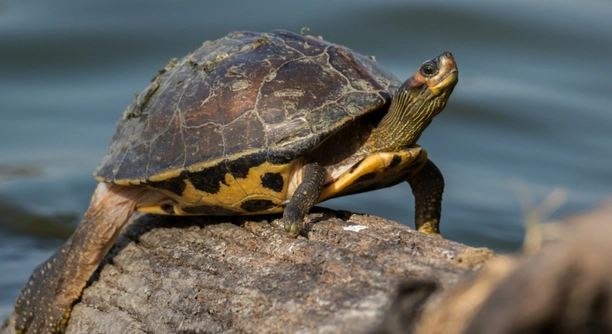
Do you have an Indian Roofed Tortoise and want to ensure it’s getting enough UVB for healthy growth?
An Indian Roofed Tortoise requires adequate UVB exposure for proper calcium metabolism and shell development. Without it, the tortoise can suffer from health issues such as metabolic bone disease or weakened immune function.
Proper UVB lighting is crucial for your tortoise’s well-being. We will explore how to assess and provide the best UVB setup for your pet’s environment.
Understanding the Importance of UVB for Your Tortoise
UVB lighting is essential for the health of your Indian Roofed Tortoise. This type of light allows your tortoise to produce vitamin D3, which helps absorb calcium. Without UVB, your tortoise can suffer from severe health issues, such as weak bones or shell deformities. These problems are a direct result of calcium deficiency, which is vital for bone growth and strength.
The right UVB lighting is not just about providing light; it’s about providing the right kind of UVB intensity. Over time, UVB bulbs lose their effectiveness, so it’s important to replace them regularly. UVB light should be placed within a specific distance from your tortoise, as too much or too little exposure can both be harmful.
In addition to UVB light, your tortoise should have access to natural sunlight when possible. Sunlight is the most natural and beneficial source of UVB, so if you can place your tortoise outside for short periods, it can help maintain a healthy calcium balance. Just make sure they have a safe space to roam in.
How to Ensure Your Tortoise Gets Enough UVB
UVB bulbs are a reliable source of light but must be replaced regularly. It’s recommended to change them every 6-12 months, depending on the type of bulb you use.
When setting up your tortoise’s habitat, position the UVB bulb close to where they spend most of their time, ideally 8-12 inches away. Be mindful of the type of bulb you choose, as compact fluorescent lights can be less effective than tube-style bulbs.
If your tortoise is kept indoors, you can supplement UVB exposure by placing their enclosure in a sunny spot. However, make sure there is no glass blocking the light. The glass can filter out UVB rays and reduce its effectiveness. If you don’t have access to outdoor sunlight, regular use of UVB bulbs will be crucial for your tortoise’s health.
Signs Your Tortoise Isn’t Getting Enough UVB
If your tortoise is spending more time in dark, hidden spots or seems unusually inactive, this could be a sign of inadequate UVB exposure. A lack of UVB can lead to lethargy or weakness, which could make them reluctant to move around or eat.
In severe cases, your tortoise may develop soft or deformed shells. You might notice a noticeable drop in appetite or difficulty walking. These symptoms are indicators that your tortoise isn’t getting enough UVB. In this case, a trip to the vet for a full health checkup is essential to rule out any serious conditions.
If you notice any changes in your tortoise’s behavior or appearance, it’s best to evaluate their UVB lighting setup. Providing a proper UVB light source can prevent further health issues and improve their energy levels, helping them regain their natural activity levels.
Choosing the Right UVB Bulb
When selecting a UVB bulb for your tortoise, look for a reptile-specific bulb that emits UVB in the appropriate range for tortoises. Bulbs with a UVB output of 10.0 or higher are ideal for most tortoises.
It’s important to choose between a fluorescent tube or a mercury vapor bulb. Fluorescent tubes are effective for small enclosures but may require closer placement, while mercury vapor bulbs provide higher UVB output and cover larger areas. Always follow the manufacturer’s guidelines for distance to ensure optimal exposure.
If you are unsure which type of bulb is best for your specific tortoise species, researching their particular needs or consulting a vet will help guide you to the right choice.
Correct Placement of UVB Light
Position the UVB light directly above your tortoise’s main basking area. The light should be placed within a specific range—usually 8-12 inches for most bulbs. Avoid placing it too far away as it reduces UVB effectiveness.
Check that the light covers the entire basking area. If your tortoise moves around, they should still receive enough UVB in their usual spots. Ensure that no objects or obstacles block the light.
If possible, install a timer to regulate day and night cycles. This helps mimic natural sunlight patterns, which are important for your tortoise’s biological rhythm.
Understanding UVB Light Duration
Your tortoise needs UVB exposure for 10-12 hours a day. This closely mimics natural sunlight patterns and helps regulate their daily cycles. Avoid overexposure, as it can lead to stress.
A proper light cycle also ensures your tortoise’s metabolism stays balanced, and their circadian rhythm is maintained. Adjust the timing of your light to fit your tortoise’s natural activity levels.
Monitoring Your Tortoise’s Health
Check for any signs of weakness, poor shell growth, or lack of appetite. These can indicate that the UVB exposure isn’t adequate. Keep track of your tortoise’s behavior after adjusting the UVB setup.
FAQ
How often should I replace my UVB bulb?
UVB bulbs lose their effectiveness over time, even if they still emit visible light. Replace fluorescent UVB bulbs every 6-12 months, depending on the manufacturer’s recommendations. Mercury vapor bulbs may last longer but should also be replaced if the UVB output starts to decrease. Keeping track of the date you installed the bulb can help remind you when it’s time for a replacement. Regularly checking the strength of the UVB output with a meter is also a good way to monitor effectiveness.
Can my tortoise get enough UVB from sunlight?
Yes, natural sunlight is one of the best sources of UVB for your tortoise. A few hours of direct sunlight a few times a week can provide the necessary UVB exposure. However, make sure they are in a safe and secure area where they can’t escape or be harmed. Be aware that glass windows block UVB rays, so avoid using indoor sunlight for UVB exposure. If you are placing your tortoise outside, always monitor the temperature and keep them in a shaded area to prevent overheating.
How do I know if my tortoise is getting enough UVB?
Watch for signs like lethargy, poor shell growth, or difficulty moving. If your tortoise seems less active, spends more time hiding, or refuses to eat, these could indicate insufficient UVB. Healthy tortoises bask regularly and maintain strong, smooth shells. If you see any signs of illness, consult a veterinarian. A UVB meter can also help you check if the light in their habitat is strong enough for their needs.
Do I need both UVA and UVB light for my tortoise?
Yes, tortoises need both UVA and UVB light. UVA helps regulate their behavior and activity levels, while UVB enables them to produce vitamin D3, essential for calcium absorption. Make sure the UVB light is the right intensity, and the UVA light provides a natural light cycle. UVA light can be provided by general reptile bulbs or natural sunlight. The UVB light should be a separate, specialized bulb designed to emit UVB rays at the proper strength.
Can I use a heat lamp as a UVB source?
Heat lamps and UVB bulbs serve different purposes. Heat lamps provide warmth for basking areas but do not emit UVB. To provide proper UVB, use a specialized UVB bulb alongside a heat source. The heat lamp will ensure your tortoise stays warm, while the UVB light will help with calcium absorption and overall health. Both are essential for creating a healthy environment for your tortoise.
What type of UVB bulb should I use for my tortoise?
The best UVB bulb for your tortoise depends on the size of the enclosure and your tortoise’s species. A 10.0 UVB bulb is typically ideal for most tortoises. You can choose from fluorescent tube bulbs, compact fluorescent bulbs, or mercury vapor bulbs. Fluorescent tubes are usually best for smaller enclosures, while mercury vapor bulbs are better for larger spaces as they provide both UVB and heat. Always follow the manufacturer’s guidelines for proper installation and distance to ensure maximum effectiveness.
How close should the UVB light be to my tortoise?
For most UVB bulbs, the light should be placed 8-12 inches above the basking area. However, this can vary depending on the strength and type of bulb. Mercury vapor bulbs can be placed further away (up to 24 inches) since they emit both UVB and heat over a larger area. For fluorescent bulbs, the closer the better, but avoid placing the light directly on top of the tortoise to prevent overheating. Always check the manufacturer’s instructions for your specific bulb.
Can my tortoise get too much UVB?
Yes, overexposure to UVB light can cause stress and skin damage to your tortoise. Too much UVB exposure can lead to dehydration or UVB burns on the skin. Ensure the light is at the correct distance and only stays on for 10-12 hours a day. You can also monitor their behavior to make sure they’re not showing signs of stress, such as excessive hiding or a decrease in activity levels.
Should I use a UVB meter to check the light’s effectiveness?
Using a UVB meter can be helpful in ensuring your tortoise is receiving the correct amount of UVB. These meters measure the UVB output of the bulb, so you know if it’s still effective after extended use. UVB meters can be purchased online or from pet supply stores. Testing the light regularly can help prevent health problems related to inadequate UVB exposure.
Can I use a regular light bulb for UVB?
Regular incandescent light bulbs do not provide UVB light. You must use bulbs specifically designed to emit UVB for your tortoise’s health. Regular light bulbs only emit visible light and heat, but they lack the UVB rays necessary for your tortoise to produce vitamin D3 and absorb calcium. Always use a reptile-specific UVB bulb to ensure your tortoise gets the proper care.
What happens if my tortoise doesn’t get enough UVB?
Without proper UVB exposure, your tortoise will likely develop metabolic bone disease, which leads to soft or deformed shells and weakened bones. They may also suffer from calcium deficiency, which can cause lethargy, lack of appetite, and other health issues. In severe cases, it can result in permanent damage or even death. Ensuring your tortoise has a proper UVB setup can prevent these serious problems.
Final Thoughts
Providing proper UVB light for your Indian Roofed Tortoise is essential for its health and well-being. UVB light enables your tortoise to produce vitamin D3, which helps it absorb calcium. Without this, your tortoise could develop serious health issues, such as metabolic bone disease, soft shells, and other conditions related to calcium deficiency. Keeping your tortoise under the right UVB light can make a significant difference in their overall health and quality of life.
When setting up a UVB lighting system, it’s important to choose the right type of bulb and place it correctly within the enclosure. Fluorescent tube lights or mercury vapor bulbs are typically the best options for tortoises, but make sure to follow the manufacturer’s recommendations on distance and installation. Regularly check the effectiveness of the bulb and replace it as needed, even if the light still seems to work. Over time, UVB bulbs lose their intensity, and it’s important to keep track of when to replace them to avoid any health issues for your tortoise.
Lastly, always monitor your tortoise for signs of inadequate UVB exposure. If you notice a decrease in activity, poor shell growth, or any other unusual behavior, it could be a sign that the UVB lighting is insufficient. Adjust the light placement, replace the bulb, or increase the exposure to natural sunlight if possible. Regular check-ups and proper lighting will ensure your tortoise stays healthy and active. Keeping up with these steps will help maintain your tortoise’s overall health and happiness for years to come.

Hello,
If you enjoy the content that we create, please consider saying a "Thank You!" by leaving a tip.
Every little bit helps us continue crafting quality advice that supports the health, happiness, and well-being of pets around the world, for pets of all shapes, sizes, and species.
We really appreciate the kindness and support that you show us!