
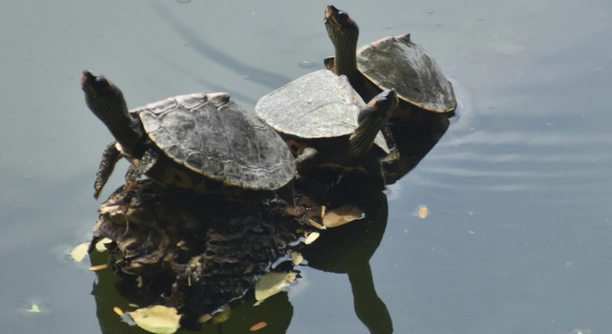
Setting up a proper tank for your Indian Roofed Tortoise is important for their well-being. Many new owners make mistakes in the setup process that can affect their health. Let’s explore some common mistakes and how to avoid them.
One of the most common mistakes in setting up an Indian Roofed Tortoise tank is inadequate heating and lighting. Without a proper heat gradient and UVB light, your tortoise may not thrive and could develop serious health issues.
Avoiding these common tank setup mistakes will ensure your tortoise enjoys a safe and comfortable home. Let’s take a closer look at each one and how to fix it.
Insufficient Space for Movement
One of the biggest mistakes people make is providing too little space for their Indian Roofed Tortoise. These tortoises need plenty of room to roam, forage, and explore. A cramped tank can lead to stress, inactivity, and even obesity. Without space to move around, your tortoise may become lethargic, affecting its overall health. The tank should be at least four times the length of the tortoise’s shell for optimal comfort and movement.
While you might be tempted to buy a small tank to save space, it’s best to invest in a larger enclosure. Tortoises thrive in environments that mimic their natural habitat, offering space to move freely and explore. In the long run, a larger tank will benefit your tortoise’s physical and mental health.
If your tortoise is housed in a small tank, you should start planning to upgrade as soon as possible. The additional space will reduce stress and allow your pet to engage in more natural behaviors, helping it live a happier, healthier life.
Improper Substrate Selection
Choosing the wrong substrate can cause discomfort and health problems for your tortoise. Many people use sand or gravel, thinking it’s suitable for all tortoises. However, these materials can be abrasive and difficult for cleaning. Some substrates may even pose a risk if ingested.
A safer option is to use a mixture of organic soil and coconut coir. These materials retain moisture and provide a more natural environment. They are soft, non-toxic, and easy to clean. Proper substrate also helps maintain humidity levels, which is crucial for your tortoise’s health.
Having the right substrate is essential for creating a suitable living environment. The moisture balance ensures your tortoise can stay hydrated, while the texture promotes natural digging and burrowing behavior. It also prevents any potential health issues caused by unsuitable materials.
Inadequate Heating and Lighting
A proper heating system is essential for your tortoise to thrive. Without a basking spot that reaches 90-95°F and a cooler area of 75°F, your tortoise might not be able to regulate its body temperature, affecting digestion and activity levels. Additionally, UVB lighting is necessary for calcium absorption.
Tortoises require UVB light for about 10-12 hours a day. Without it, they may develop metabolic bone disease or other health issues. Heating should be gradual, with a heat gradient that allows your tortoise to choose its preferred temperature. Make sure the heat source is placed on one side of the tank to create a thermal gradient, so your tortoise can move to cooler areas when needed.
In addition to UVB lighting, your tortoise will also need a night light or a separate heat source for nighttime. Make sure the temperature drops to about 70°F at night, which mimics the natural cycle. Regularly monitor the temperature with a thermometer and adjust the heat sources to avoid overheating or underheating.
Overcrowding the Tank
Overcrowding is another common mistake. While it may be tempting to house multiple tortoises together, this can lead to stress, aggression, and the spread of diseases. Each tortoise needs its own space to feel safe. Overcrowding can cause territorial disputes, leading to injuries and anxiety.
Even if your tank seems large enough, it’s important to remember that each tortoise needs a separate area to thrive. If you’re housing more than one tortoise, ensure there is enough space for each to establish its own territory. Providing hides and visual barriers can also help reduce stress by allowing them to escape from each other when needed.
In some cases, it may be necessary to separate your tortoises completely. If they continue to fight or seem stressed, it’s better to house them individually. The extra space, along with a calm and controlled environment, ensures a better quality of life for your tortoises and minimizes the risk of conflict.
Incorrect Humidity Levels
Humidity plays a key role in your tortoise’s health. If the tank is too dry, it can lead to dehydration, while excess moisture can cause respiratory infections. Aim for a humidity level between 50% and 70%, depending on your tortoise’s species.
Using a hygrometer to measure humidity is essential. If the humidity is too low, consider using a humidifier or adding a shallow water dish to help maintain moisture. For higher humidity, regular misting can help, but avoid soaking the substrate too much. Creating a balance is crucial for proper hydration and respiratory health.
Monitoring humidity will prevent shell deformities, dehydration, or skin shedding issues. Make sure you have a consistent humidity level to support a healthy environment for your tortoise.
Wrong Diet
A balanced diet is vital for the growth and overall health of your tortoise. Many owners mistakenly feed their tortoises the wrong food, which can cause health issues. For instance, feeding them too much fruit or protein can lead to obesity or kidney problems.
To avoid this, offer a variety of leafy greens, grasses, and weeds, making sure they are free from pesticides. You can also supplement their diet with calcium and vitamin D3 to ensure strong shells and bones. Avoid high-fat foods and keep the diet rich in fiber to prevent digestive problems.
Tortoises are herbivores, so feeding them a diet that mirrors their natural food sources will help them thrive. Keep their meals varied and avoid processed foods to ensure a well-balanced nutrition plan.
Unstable Tank Conditions
Consistency is key when it comes to maintaining the right conditions for your tortoise. Temperature fluctuations, changes in lighting, or a messy environment can stress out your pet. Keeping everything stable ensures your tortoise remains healthy and happy.
Ensure that heating and lighting are on timers to maintain a consistent day-night cycle. Regularly clean the tank, remove waste, and change out the water to avoid contamination. Stability reduces stress and helps regulate your tortoise’s biological clock.
FAQ
What should the ideal temperature be for an Indian Roofed Tortoise tank?
The ideal temperature for your tortoise’s tank should have a basking spot between 90-95°F (32-35°C) and a cooler side of 75°F (24°C). This temperature gradient is necessary to help your tortoise regulate its body heat. Use a heat lamp to create the basking spot and place a thermometer on both sides of the tank to ensure the temperatures remain stable. Avoid placing the heat source too close to the substrate to prevent overheating.
How often should I feed my Indian Roofed Tortoise?
Indian Roofed Tortoises should be fed every other day, depending on their size and age. Young tortoises may require daily feeding, while adults can eat every 2-3 days. Their diet should consist mainly of leafy greens like collard greens, dandelion greens, and mustard greens. Avoid feeding them too many fruits or high-protein foods, as these can cause health issues over time.
What is the best substrate for an Indian Roofed Tortoise tank?
The best substrate for an Indian Roofed Tortoise tank is a mixture of organic soil, coconut coir, and sand. This combination provides a comfortable environment for digging and burrowing while maintaining humidity levels. Avoid using pine or cedar wood chips, as they can be harmful to your tortoise. Make sure to keep the substrate clean and change it regularly to prevent mold buildup.
How can I make sure my Indian Roofed Tortoise gets enough UVB light?
UVB light is crucial for your tortoise to metabolize calcium and prevent bone disease. Make sure to provide a UVB bulb designed for reptiles that emits the right amount of UVB rays. Place the light above the basking spot, and ensure it is on for 10-12 hours per day. Replace UVB bulbs every 6-12 months, as they lose their effectiveness over time.
Do Indian Roofed Tortoises need a water dish?
Yes, Indian Roofed Tortoises need access to clean water at all times. Provide a shallow water dish large enough for your tortoise to drink from and soak in. This helps with hydration, skin shedding, and digestion. Make sure to change the water daily to prevent bacteria from growing.
How often should I clean my Indian Roofed Tortoise’s tank?
Clean your tortoise’s tank at least once a week. Remove any uneaten food and waste daily to prevent bacteria buildup. Thoroughly wash the substrate every 4-6 weeks, depending on the size of the tank. Regular tank maintenance is key to ensuring a healthy environment for your tortoise and preventing health issues related to unclean conditions.
Can I house more than one tortoise in the same tank?
While it is possible to house multiple tortoises in one tank, it’s important to provide enough space to avoid territorial disputes. A larger tank is required for multiple tortoises, with enough space for each to have its own area. If your tortoises are showing signs of aggression, such as biting or chasing each other, it is best to separate them into individual enclosures.
How long do Indian Roofed Tortoises live?
Indian Roofed Tortoises can live up to 50 years or more with proper care. Their lifespan depends on factors such as diet, habitat, and overall health. By providing them with a suitable environment and the right care, you can help ensure a long, healthy life for your tortoise.
What should I do if my Indian Roofed Tortoise is not eating?
If your tortoise stops eating, it may be a sign of stress, illness, or improper tank conditions. First, check the temperature, humidity, and lighting to ensure everything is in order. If the environment seems fine, try offering a different type of food, such as fresh greens, to encourage eating. If the issue persists, consult a veterinarian who specializes in reptiles.
How can I tell if my tortoise is healthy?
Healthy Indian Roofed Tortoises have smooth, hard shells without cracks or deformities. They should be active during daylight hours and have clear, bright eyes. Check for any signs of respiratory issues, such as wheezing or labored breathing, and ensure that your tortoise is eating regularly. If you notice any unusual behavior or physical symptoms, seek veterinary care immediately.
Do Indian Roofed Tortoises need supplements?
Indian Roofed Tortoises may need calcium and vitamin D3 supplements, especially if they do not get enough UVB light or if they are not eating a balanced diet. Dust their food with a calcium supplement 2-3 times a week, but avoid over-supplementing, as this can lead to other health issues. A proper diet of leafy greens, high in calcium, may also reduce the need for supplements.
What size tank should I get for my Indian Roofed Tortoise?
The minimum recommended size for an Indian Roofed Tortoise tank is 4 feet long, 2 feet wide, and 1.5 feet tall. However, a larger tank will provide better space for movement, which is vital for their well-being. If you have more than one tortoise, you’ll need an even bigger enclosure. Ensure the tank has enough space for a basking area, cooler zone, and hiding places.
Can I let my Indian Roofed Tortoise roam outside?
Yes, but only in a safe, enclosed area free from predators and harmful plants. If you let your tortoise roam outdoors, make sure the environment is secure and that it cannot escape. Outdoor time can provide beneficial natural sunlight and allow your tortoise to graze on grass and weeds. Always supervise your tortoise to ensure it stays safe while outdoors.
How do I know if my tortoise is too stressed?
Signs of stress in tortoises include hiding more than usual, loss of appetite, aggression, or abnormal behavior such as pacing. If your tortoise is constantly hiding or not eating, it could indicate an environmental issue, such as improper temperature or humidity. Adjust the tank conditions and observe if the behavior changes. Stress can also be caused by overcrowding, so make sure the tank is not too cramped.
Final Thoughts
Caring for an Indian Roofed Tortoise requires attention to detail, but it is not too difficult once you understand their needs. These tortoises thrive when their environment is set up correctly, with the right temperature, humidity, and lighting. They also need enough space to roam and a diet that suits their natural feeding habits. By addressing common mistakes, such as overcrowding or incorrect substrate, you can create a safe and comfortable home for your tortoise.
Regular maintenance of their tank is just as important. Cleaning the tank and monitoring temperature and humidity levels will prevent many health issues. Providing clean water and offering a balanced diet with the right supplements will also go a long way in supporting your tortoise’s well-being. Taking time to ensure these aspects are taken care of will not only improve your tortoise’s health but also allow it to live a long and happy life.
Although setting up a tank for your tortoise may feel overwhelming at first, it becomes easier as you gain experience. With the right resources and a bit of patience, you can provide a good life for your tortoise. Paying attention to their needs and avoiding common mistakes will help you ensure that your tortoise is not only surviving but thriving in its environment. By learning about your pet and making necessary adjustments, you can enjoy many years of companionship with a healthy, happy tortoise.

Hello,
If you enjoy the content that we create, please consider saying a "Thank You!" by leaving a tip.
Every little bit helps us continue crafting quality advice that supports the health, happiness, and well-being of pets around the world, for pets of all shapes, sizes, and species.
We really appreciate the kindness and support that you show us!