
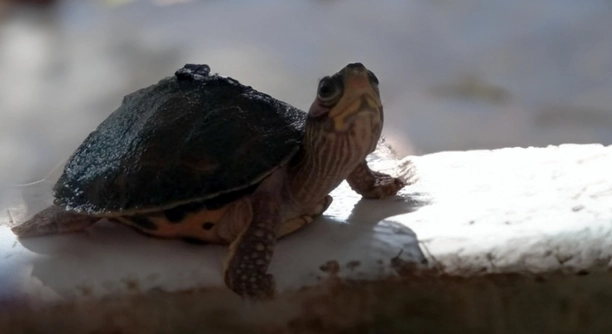
Is your Indian Roofed Tortoise avoiding water, even though it’s an essential part of its habitat? It can be frustrating when your pet isn’t behaving as expected. Understanding why it’s happening can help resolve the issue.
The most common reason for this behavior is that the tortoise feels stressed, unwell, or uncomfortable with its environment. Temperature fluctuations, incorrect humidity, or a lack of proper hiding spots can lead to avoidance of water.
Addressing these environmental factors and providing a calm, stable habitat can help your tortoise feel more at ease.
Why Is Water Important for Your Indian Roofed Tortoise?
Water is essential for your tortoise’s health, not just for hydration but also for maintaining proper skin shedding and digestion. Tortoises are semi-aquatic creatures, meaning they need access to water regularly to stay hydrated and comfortable. Without it, they can become stressed, which leads to behavioral changes, like avoiding water altogether. An Indian Roofed Tortoise may try to avoid water if it’s too cold, too deep, or if they feel there is not enough space. Inadequate access to water may also lead to dehydration, which can result in health problems like constipation or kidney issues.
Water should be shallow enough to allow the tortoise to walk in it comfortably. Overly deep water can cause stress, as they may feel insecure. Proper hydration is crucial for their well-being and longevity, which is why ensuring that they have consistent, clean water is a must.
Make sure your tortoise has access to shallow, fresh water at all times. It’s important to create an environment where they feel safe, comfortable, and hydrated.
How Temperature Affects Water Behavior
Temperature plays a big role in your tortoise’s decision to enter water. When the water is too cold, they may avoid it entirely, preferring to stay dry to maintain their body temperature.
Indian Roofed Tortoises are sensitive to temperature changes. If the water is too cold, they may associate it with discomfort and avoid it. Tortoises are cold-blooded and rely on external heat sources to regulate their body temperature. In colder environments, they may prefer staying out of the water to conserve warmth.
To fix this, ensure that the water temperature is within the optimal range. You can use a water heater designed for reptiles to keep the water at the right level of warmth, usually between 75-80°F. This encourages your tortoise to stay hydrated and feel comfortable enough to enter the water.
Water Quality and Cleanliness
Dirty water can be a major turn-off for your tortoise. If the water is contaminated with debris or algae, they might avoid it. Tortoises are sensitive to their environment and may associate dirty water with discomfort or illness.
To keep the water clean, change it regularly and avoid any stagnant water. Use a filter to keep the water fresh and remove waste. Always monitor the water for any signs of contamination, like a foul smell or cloudiness, which can make the environment unsuitable for your tortoise.
Make sure the water dish is large enough for your tortoise to move around but not so large that it becomes difficult to clean. Consistent maintenance will help ensure your tortoise has access to safe, clean water, encouraging it to drink and soak as needed.
Stress and Anxiety
If your tortoise is feeling stressed, it may steer clear of water. Common stressors include loud noises, sudden movements, or a new environment. These triggers can make your tortoise feel unsafe and cause it to avoid water.
To reduce stress, create a calm, quiet habitat for your tortoise. Provide hiding spots where it can retreat if it feels overwhelmed. Keep its living space consistent to avoid unnecessary changes. A stress-free environment will help your tortoise feel more secure, making it more likely to use its water source.
Avoid placing the water dish in high-traffic areas where it could feel threatened. Ensure that your tortoise has space to move and explore without feeling confined. Reducing stress is key to encouraging normal water behavior.
Age and Health Concerns
Older tortoises or those with health issues might avoid water because of discomfort or weakness. Aging or ill tortoises may have difficulty moving, making them less likely to soak in water.
Check for signs of discomfort, such as lethargy or a lack of appetite, and consult a vet if necessary. Ensuring their water is easily accessible and not too deep can help.
Tortoises with health issues like respiratory infections or joint pain might avoid water to prevent additional strain. A warm, shallow water dish can encourage them to hydrate without causing further stress. Regular vet checkups are crucial for their overall well-being.
Substrate and Environment
The type of substrate in the tank can impact your tortoise’s water behavior. If the substrate is too dry or difficult to walk on, it may deter your tortoise from approaching water.
Ensure your substrate is suitable for your tortoise. A mix of sand and soil works well for many species, providing both moisture retention and proper texture for movement. Avoid substrates that are too slippery or harsh on their feet.
A comfortable, secure environment will encourage your tortoise to explore its surroundings, including water. Providing a balanced substrate can make a big difference in how your tortoise interacts with its habitat.
FAQ
Why isn’t my tortoise drinking water?
If your tortoise isn’t drinking water, it could be due to several factors. One common issue is the temperature of the water. If the water is too cold or too hot, your tortoise may avoid drinking it. Another reason could be that the water is not clean enough, or it’s too deep, making your tortoise feel unsafe. Stress, such as a new environment or too much handling, could also make your tortoise reluctant to drink. Lastly, health problems like dehydration, internal issues, or discomfort may prevent drinking, so it’s important to monitor their health and consult a vet if needed.
How can I encourage my tortoise to drink water?
To encourage your tortoise to drink, make sure the water is at a comfortable temperature, between 75-80°F. You can also place a shallow dish of water so they can easily access it. Offering water regularly, cleaning the water bowl frequently, and ensuring the tank’s humidity levels are optimal can also help. Adding a shallow soaking area will give them the opportunity to hydrate while feeling secure. Be patient and avoid stressing them out with sudden changes in their environment.
Can my tortoise survive without water?
No, tortoises cannot survive without water for long. They need water for hydration, digestion, and overall health. Dehydration can lead to serious issues like kidney failure, constipation, and skin shedding problems. Even if your tortoise isn’t actively drinking, it still needs access to fresh water to stay hydrated. A tortoise will seek water when needed, so it’s crucial to ensure a proper water source is available at all times.
Is it normal for my tortoise to avoid water occasionally?
Occasionally avoiding water can be normal, especially if your tortoise is going through a period of stress or is adjusting to new surroundings. However, consistent avoidance of water should not be ignored. If the behavior lasts more than a few days, it could indicate health problems, poor habitat conditions, or water that is not appealing. Be sure to check the water temperature, cleanliness, and environment regularly. It’s also worth consulting a vet if the behavior continues for a prolonged period.
Can I offer my tortoise a water dish or a soaking pool?
Yes, a shallow water dish or soaking pool is a great way to encourage your tortoise to stay hydrated. The water should not be too deep, as tortoises prefer to stand or soak without feeling overwhelmed. The pool should be wide enough for them to move around but not too large, which could make cleaning harder. Make sure to monitor the water temperature and cleanliness regularly to ensure the tortoise feels comfortable using it.
What is the ideal humidity level for my tortoise?
Humidity is an important factor in your tortoise’s hydration needs. The ideal humidity level depends on the species of tortoise you have. For an Indian Roofed Tortoise, the humidity should be around 50-60%. Too much humidity can lead to mold and respiratory issues, while too little can cause dehydration and shedding problems. You can maintain humidity by misting the enclosure or using a humidity gauge to monitor the levels. A balanced environment will encourage your tortoise to use the water more.
How often should I change the water for my tortoise?
Water should be changed at least once a day, especially if your tortoise uses it to soak. Dirty water can lead to bacterial growth, which can make your tortoise sick. Changing the water regularly also ensures that your tortoise always has access to clean, fresh water. If the water becomes contaminated with food or waste, it should be changed immediately. Regular cleaning of the water dish prevents the buildup of algae, dirt, and other harmful bacteria.
Can I give my tortoise water from the tap?
Tap water can be used for your tortoise, but it’s important to ensure it’s safe. Some tap water contains chlorine or other chemicals that may be harmful to your tortoise. You can either let the tap water sit for 24 hours to allow the chlorine to dissipate or use a water conditioner designed for reptiles. If you’re unsure about the quality of your tap water, you can use bottled or filtered water to avoid any potential issues.
How long can a tortoise go without water?
While a tortoise can survive without food for a few weeks, it can only survive without water for a few days to a week, depending on its age and health. Dehydration can cause serious health issues, including kidney problems, skin shedding difficulties, and even death. It’s crucial to provide a consistent water source to avoid dehydration. Even if your tortoise is not actively drinking, access to water should always be available.
What can I do if my tortoise is not soaking in the water?
If your tortoise is not soaking, check the temperature, depth, and cleanliness of the water. Ensure the water is warm enough for them to feel comfortable. A shallow dish or pool might help them feel more secure. Tortoises may avoid water if they feel stressed or their environment is not to their liking. You can also gently encourage soaking by placing them in the water, but avoid forcing them. If they continue to avoid water, consider a vet visit to rule out any health concerns.
Final Thoughts
Understanding why your Indian Roofed Tortoise is avoiding water is crucial to ensuring its health and happiness. There are several factors that can cause this behavior, such as stress, improper temperature, or a lack of cleanliness in the water. Each of these issues can lead to discomfort, which may make your tortoise hesitant to enter the water. By carefully assessing your tortoise’s environment and making small adjustments, you can encourage it to hydrate properly. It’s important to pay attention to their habitat, as a comfortable space is key to keeping your tortoise happy.
Temperature, water cleanliness, and stress are common reasons for water avoidance, but they can be fixed with some simple changes. Make sure the water is at a comfortable temperature, clean, and shallow enough for your tortoise to feel secure. Also, creating a calm environment by reducing noise and providing hiding spots can help reduce any stress or anxiety. It’s also important to check for any potential health issues, as a lack of hydration or discomfort can sometimes point to underlying health problems. Regular veterinary checkups are a good way to keep your tortoise healthy and happy in the long run.
Remember that your tortoise’s behavior can tell you a lot about its needs. If your tortoise is consistently avoiding water, it may be a sign that something isn’t quite right with its living conditions. By being observant and proactive, you can make sure your tortoise has the proper setup for hydration and overall well-being. Creating the right environment and providing proper care will help your tortoise thrive and prevent any long-term health issues.

Hello,
If you enjoy the content that we create, please consider saying a "Thank You!" by leaving a tip.
Every little bit helps us continue crafting quality advice that supports the health, happiness, and well-being of pets around the world, for pets of all shapes, sizes, and species.
We really appreciate the kindness and support that you show us!