
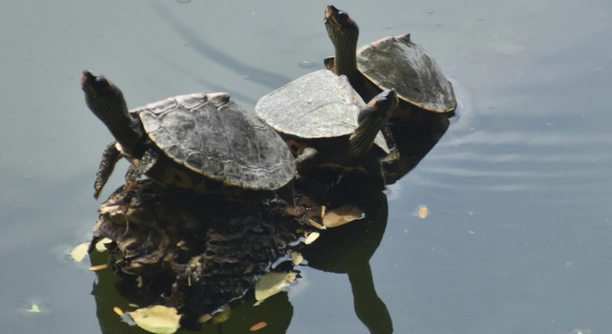
Caring for an Indian Roofed Tortoise requires more than just a space to roam. As a pet owner, understanding the proper care and essential needs of your tortoise can help ensure it lives a long, healthy life.
To provide optimal care for your Indian Roofed Tortoise, it’s crucial to focus on a balanced diet, proper habitat setup, temperature control, regular health checkups, and enrichment activities. Each of these elements contributes to their well-being and longevity.
Taking good care of your tortoise doesn’t have to be complicated. The following tips will help you maintain a healthy and happy tortoise, ensuring its needs are met in every way.
1. Provide a Balanced Diet for Your Indian Roofed Tortoise
A healthy diet is one of the most important aspects of caring for your tortoise. These creatures thrive on a mix of leafy greens, vegetables, and occasional fruit. High-fiber foods like dandelion greens, collard greens, and plantains help with digestion. Avoid feeding them high-protein foods like meat, as it can lead to kidney problems. You should also offer cuttlebone for calcium, which is crucial for their shell and bone health. Fresh, clean water should always be available to your tortoise.
Your tortoise may occasionally enjoy a small amount of fruit like strawberries or mango, but be careful not to overfeed them. Too much fruit can lead to digestive issues. Stick to a variety of plants that provide both the necessary nutrients and a bit of variety.
Consistency is key. Set a routine for feeding to ensure your tortoise is eating at the right times. If you’re unsure about the exact portions or foods, consulting a vet for dietary advice will help avoid any long-term health problems.
2. Set Up the Right Habitat
The environment where your tortoise lives should mimic its natural habitat as closely as possible. Tortoises need a spacious enclosure with both warm and cooler areas to regulate their body temperature. A basking spot with a heat lamp will help your tortoise stay warm, while a cooler area offers a place to retreat when they need to lower their body temperature.
The enclosure should also have enough room for your tortoise to move around freely and dig. Tortoises naturally burrow, so providing a substrate like soil or coconut coir will give them the chance to act on these instincts.
Keeping the habitat clean is just as important as setting it up right. Regularly change the substrate and remove uneaten food to prevent bacteria buildup. Ensuring that the environment is clean and well-maintained will reduce the risk of infections and illnesses.
3. Keep the Right Temperature and Humidity Levels
Maintaining the proper temperature and humidity levels is essential for your tortoise’s health. An enclosure should have a warm side where your tortoise can bask, with temperatures ranging from 85-90°F. The cool side should be between 70-75°F. A heat lamp is necessary for the basking area to reach these temperatures, while a thermostat can help maintain the right conditions throughout the enclosure.
Humidity is also important, as a dry environment can lead to dehydration and skin shedding issues. Aim for a humidity level between 50-60%. If the air is too dry, misting the enclosure or adding a humidifier can help.
It’s important to monitor these levels daily. Tortoises are sensitive to changes in their environment, and drastic shifts can lead to stress or health issues. The right balance of heat and humidity ensures your tortoise stays comfortable and avoids health problems like shell deformities or respiratory infections.
4. Regular Health Checkups
It’s important to keep an eye on your tortoise’s health. Regular vet checkups help catch potential issues early. Your vet will check for common problems such as shell rot, respiratory infections, and parasites. Early detection can make a big difference in your tortoise’s overall health.
In addition to professional checkups, regularly examine your tortoise for signs of illness. Look for changes in behavior, eating habits, or unusual shell discoloration. Keep an eye on the eyes and nose for discharge, as these can indicate respiratory issues.
Being proactive with health care can prevent serious illnesses. If you notice anything unusual, don’t hesitate to reach out to a reptile vet. They are the best resource for advice and treatment for your tortoise. Early intervention is always better than waiting for symptoms to worsen.
5. Provide Enrichment for Mental Stimulation
Your tortoise needs more than just food and water to thrive. Enrichment helps keep them mentally and physically stimulated. Tortoises are curious and benefit from exploring different objects in their environment. Simple items like rocks, logs, or hiding spots will give your tortoise something to interact with.
Changing the layout of the enclosure from time to time can also provide a fresh challenge. Foraging for food can be a great way to simulate natural behaviors. Hide their food in different places so they can search for it. This encourages exercise and mental stimulation.
Without enrichment, tortoises can become bored and stressed, which can lead to health problems. By adding variety and keeping their minds active, you can ensure a happier, more engaged tortoise.
6. Monitor Their Shell Health
Your tortoise’s shell is essential for its well-being. Check for cracks, soft spots, or unusual bumps, which could indicate health issues like infections or nutritional deficiencies. A healthy shell is hard and smooth, so any irregularities should be addressed promptly.
Ensure that your tortoise has enough calcium in its diet to support shell growth. Without proper calcium, the shell can become soft and deformed. A balanced diet, including cuttlebone, will help prevent this. Regular UVB exposure is also vital to maintaining shell health.
7. Ensure Proper Hydration
Tortoises require consistent hydration for overall health. Make sure your tortoise always has access to fresh, clean water. Some tortoises enjoy soaking in shallow water, which helps with hydration and shedding.
Adding a shallow water dish to the enclosure encourages your tortoise to drink more. Soaking once or twice a week is also a good idea to prevent dehydration and help with shedding.
8. Keep an Eye on Their Activity Levels
Your tortoise should be active and alert. If they are lethargic, it could indicate stress, illness, or improper environmental conditions. Regular movement is a sign of a healthy tortoise, so watch for any changes in their activity.
An active tortoise is a happy tortoise. Ensure that their environment promotes natural behaviors like walking, basking, and digging.
FAQ
How often should I feed my Indian Roofed Tortoise?
You should feed your Indian Roofed Tortoise once a day or every other day, depending on its age and activity level. Young tortoises need more frequent feeding due to their higher metabolism, while adult tortoises can go a little longer between meals. It’s important to provide a variety of leafy greens and vegetables, ensuring a balanced diet. Always remove any uneaten food after a few hours to avoid spoilage.
Can I keep multiple tortoises together?
It’s not always ideal to keep multiple tortoises in the same enclosure. Indian Roofed Tortoises are generally solitary animals and can become territorial, especially if they are both males. If you choose to house more than one, make sure the enclosure is large enough to give each tortoise its own space. Monitor them closely for signs of aggression or stress, and be prepared to separate them if necessary.
What kind of light should I use for my tortoise’s enclosure?
UVB lighting is essential for the health of your tortoise. It helps them process calcium properly and prevents metabolic bone disease. Ensure the UVB light is specifically designed for reptiles and is placed close enough to allow your tortoise to bask under it. You should replace UVB bulbs every 6 months, even if they are still working, as their effectiveness diminishes over time.
How do I handle a sick tortoise?
If your tortoise shows signs of illness, such as a loss of appetite, lethargy, or abnormal behavior, it’s crucial to consult a reptile vet immediately. Don’t attempt to treat the tortoise at home unless advised by a professional. Sick tortoises can quickly deteriorate, so early intervention is key. Always have a vet who specializes in reptiles on hand for emergencies.
What should I do if my tortoise’s shell is cracked?
If your tortoise’s shell is cracked, it’s important to take immediate action. First, clean the area around the crack with mild, reptile-safe disinfectant to prevent infection. Then, take your tortoise to a vet who can assess the damage and provide treatment. Depending on the severity, your vet may recommend a special bandage or even surgery to repair the shell.
Is it okay to give my tortoise fruit?
Yes, tortoises can eat fruit, but it should only be given as an occasional treat. Fruits are high in sugar and can upset their digestive system if fed too often. You can offer small pieces of fruit like strawberries, mango, or watermelon, but be sure to balance these treats with the leafy greens and vegetables that form the bulk of their diet.
Can I bathe my tortoise?
Yes, soaking your tortoise in shallow, lukewarm water can be beneficial for hydration and shedding. However, don’t make it a daily routine. Bathing once or twice a week is usually enough. Be sure the water level is shallow, and always supervise your tortoise while it’s soaking to prevent drowning.
How can I tell if my tortoise is dehydrated?
Signs of dehydration in tortoises include lethargy, dry skin, sunken eyes, and a lack of interest in food. If you notice any of these signs, offer your tortoise a soak in shallow water and ensure fresh water is always available. Dehydration can be serious, so it’s best to consult a vet if symptoms persist.
What temperature should the basking area be for my tortoise?
The basking area should be kept between 85-90°F (29-32°C). This allows your tortoise to properly regulate its body temperature. Use a heat lamp to provide the warmth it needs, and monitor the temperature regularly with a reliable thermometer. Don’t make the basking spot too hot, as this can cause stress.
How do I prevent my tortoise from getting shell rot?
Shell rot is typically caused by a damp, dirty environment or poor hygiene. To prevent shell rot, clean your tortoise’s enclosure regularly, ensuring it’s dry and free from mold or bacteria. Also, make sure your tortoise has proper UVB exposure and a balanced diet to strengthen its immune system.
What type of substrate is best for my tortoise’s enclosure?
The best substrate for your Indian Roofed Tortoise is one that allows for burrowing and is easy to clean. Options like coconut coir, organic topsoil, or a mixture of both work well. Avoid using sand or gravel, as these can cause digestive issues if ingested. The substrate should be kept dry and changed regularly.
Can I use a regular bulb for heating my tortoise’s enclosure?
No, regular household bulbs do not provide the necessary UVB rays needed for your tortoise. It’s important to use specialized reptile bulbs that emit both heat and UVB light. The heat bulb will help maintain the temperature in the basking area, while the UVB bulb will support your tortoise’s calcium absorption and overall health.
How do I know if my tortoise is stressed?
Signs of stress in tortoises can include hiding, loss of appetite, aggression, or abnormal behavior. Stress can be caused by poor environmental conditions, overcrowding, or handling too frequently. Make sure your tortoise has a proper habitat, a balanced diet, and minimal disruption to reduce stress levels. If your tortoise continues to show signs of stress, consider consulting a vet.
What’s the best way to handle my tortoise?
When handling your tortoise, be gentle and avoid picking it up too frequently. Always support their body fully by holding them underneath, and avoid lifting them by the shell. Tortoises don’t enjoy being handled too much, so keep it brief and only when necessary. Frequent handling can stress them out.
How can I help my tortoise shed properly?
Shedding is a natural process for tortoises, and it’s essential to help them through it. Provide adequate hydration, a soak in lukewarm water, and a humid environment to facilitate shedding. If you notice patches of skin that aren’t coming off easily, gently rub the area with a soft cloth to help remove it.
Final Thoughts
Caring for an Indian Roofed Tortoise involves paying attention to several important factors that contribute to their health and well-being. Providing them with a balanced diet, a proper habitat, and regular vet checkups are key to ensuring they live a long, healthy life. Your tortoise relies on you for its daily needs, so understanding its natural behaviors and adjusting its environment accordingly will help you become a better owner. Whether it’s monitoring temperature and humidity or providing the right amount of mental stimulation, every little detail matters.
It’s essential to remember that these tortoises need both physical and mental care. While their shells are tough, they are still vulnerable to certain health problems if their environment isn’t optimal. A warm, clean space with plenty of room to move around will make your tortoise feel secure and comfortable. Enrichment, such as providing different objects for them to explore or hiding food to encourage foraging, also plays a crucial role in their overall happiness. A bored tortoise is more likely to become stressed, which can lead to health problems down the line.
By following the guidelines provided and staying attentive to your tortoise’s needs, you will be able to create a positive and enriching environment for them. With consistent care, your Indian Roofed Tortoise can thrive and become a happy companion for many years. Remember, their needs are simple, but they do require attention and commitment. Being proactive about their care will help avoid potential health issues and ensure that both you and your tortoise enjoy your time together.

Hello,
If you enjoy the content that we create, please consider saying a "Thank You!" by leaving a tip.
Every little bit helps us continue crafting quality advice that supports the health, happiness, and well-being of pets around the world, for pets of all shapes, sizes, and species.
We really appreciate the kindness and support that you show us!