
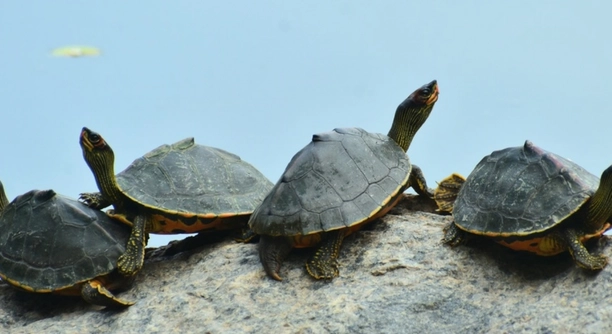
Keeping your Indian Roofed Tortoise happy and active is key to its well-being. Providing a proper environment and care ensures it thrives in your home. There are simple ways to keep them engaged and content.
To keep your Indian Roofed Tortoise happy and active, focus on creating a stimulating environment with proper nutrition, ample space, and plenty of enrichment activities. Regular sunlight exposure and temperature control are essential for maintaining their health and activity levels.
Maintaining these practices ensures that your tortoise remains healthy and joyful.
Creating the Perfect Habitat for Your Tortoise
An ideal habitat is crucial for your Indian Roofed Tortoise. They need a spacious enclosure with proper temperature and humidity levels. The enclosure should mimic their natural environment, providing access to both a warm and cool area. Use natural materials like rocks, logs, and plants to help them feel comfortable. A proper basking spot with full-spectrum UVB light is important for their health and activity. The substrate should be absorbent, allowing your tortoise to dig and burrow. Keep the space clean and remove any waste to avoid health issues. Providing a hiding spot will give them security, reducing stress.
A well-maintained habitat encourages exploration and prevents lethargy.
Along with the enclosure, make sure the lighting is consistent. Natural sunlight or UVB bulbs for around 12-14 hours a day help your tortoise maintain healthy bones and a strong immune system. The temperature gradient should range from 85°F to 95°F in the basking area and 70°F to 80°F in the cooler section. Keep the humidity around 60%. Regular monitoring of these factors is necessary.
Nutrition for Vitality
The right diet plays a significant role in your tortoise’s well-being.
A variety of fresh vegetables, greens, and some fruits should make up the majority of their diet. Leafy greens like dandelion greens, kale, and collard greens are excellent choices. Avoid feeding them high-oxalate foods like spinach, as they can affect calcium absorption. You can occasionally offer fruits like strawberries and melon, but they should be given in moderation. Proper calcium intake is crucial, so dust their food with a calcium supplement to promote healthy shell growth and prevent metabolic bone disease. Be sure to provide fresh water daily to keep them hydrated.
By offering a balanced diet, you help your tortoise stay active and energetic. Regularly changing the food and providing variety can prevent boredom, encouraging foraging behavior. This natural instinct helps keep them physically fit.
Enrichment and Mental Stimulation
Providing mental stimulation is essential for your tortoise’s happiness. Puzzle feeders and hiding food around their enclosure encourage natural foraging behavior. Offering new objects like branches or small rocks can spark curiosity. Tortoises are intelligent and benefit from activities that challenge their minds and prevent boredom.
Try rotating objects or rearranging their environment frequently. This allows them to explore and engage with new things. Hiding their food in different places stimulates their instinctual hunting and searching habits, making their environment more dynamic. These activities contribute to their overall health by keeping their mind active, preventing stress, and promoting natural behaviors.
It’s important to create opportunities for your tortoise to interact with its surroundings. Tortoises enjoy investigating new objects or changes in their habitat, which helps keep them mentally engaged. Even simple changes like adding plants or adjusting the layout of their enclosure can have a positive effect. This prevents them from becoming sedentary and supports a happy, active life.
Social Interaction
Tortoises are solitary animals but still benefit from occasional interaction. Regular handling can help build trust, especially if they are used to human contact. However, avoid overwhelming them, as too much handling can cause stress. A calm approach is key to positive interactions.
Spending time with your tortoise allows them to become accustomed to human presence, creating a sense of safety. Gently petting them or observing their behaviors strengthens the bond. While they don’t need constant companionship, knowing that their environment is safe and predictable reduces anxiety. Allow them to interact on their own terms for the best experience.
Sometimes, tortoises may enjoy the company of other tortoises. If you have multiple, make sure their enclosure is large enough to provide space for each one. Overcrowding can lead to stress or aggression. Observe their interactions closely to ensure they are comfortable and not displaying signs of distress.
Proper Exercise
Exercise is essential for your tortoise’s physical health. Providing space for them to move around is crucial. A large enclosure with room to roam, climb, and explore helps keep them active. Regular movement ensures strong muscles and bones, helping to prevent health problems later on.
Encourage your tortoise to explore different areas by setting up varied terrains within their enclosure. Small ramps, safe objects to climb on, and paths to follow keep them engaged. If you can, allow them some outdoor time in a secure area where they can roam freely, helping them burn off extra energy.
Temperature Regulation
Your tortoise needs the right temperature to stay active and healthy. It’s essential to provide both warm and cool areas in the habitat. This temperature gradient lets them regulate their body temperature, which is vital for digestion and overall well-being.
Make sure to monitor the temperature carefully. A basking spot should be around 90°F to 95°F, while the cooler side of the habitat should range between 70°F to 80°F. Using a thermometer will help maintain these levels. Keeping temperatures consistent prevents stress and encourages healthy activity.
Hydration
Proper hydration is necessary for your tortoise to stay active and healthy. Make sure fresh water is available at all times. While tortoises get some moisture from their food, offering water encourages drinking and helps prevent dehydration.
Check the water daily and replace it with clean, fresh water. If you notice that your tortoise isn’t drinking, you can try soaking them in lukewarm water for 15-20 minutes. This helps them stay hydrated and can improve overall health.
FAQ
How often should I feed my Indian Roofed Tortoise?
Indian Roofed Tortoises should be fed every day. Their diet should consist mostly of fresh vegetables and leafy greens, such as dandelion greens, collard greens, and kale. They can also have small amounts of fruit a few times a week, like strawberries or melons. Ensure they always have access to clean, fresh water. A balanced diet helps maintain their activity levels and health.
Can my tortoise live outside?
Yes, your tortoise can live outside, provided the environment is safe and suitable. A securely enclosed outdoor area allows them to roam freely, but it must be escape-proof. Ensure the outdoor habitat has both sunny and shaded areas, as well as protection from predators and harsh weather. When temperatures drop below safe levels, it’s best to bring them indoors to avoid potential health risks.
How can I tell if my tortoise is happy?
A happy tortoise is active and alert. They will explore their habitat, eat regularly, and engage in natural behaviors like basking and foraging. If your tortoise is frequently hiding, not eating, or moving very little, it could be a sign of stress or health issues. A change in behavior should prompt you to check their environment and overall health.
What temperature should my tortoise’s habitat be?
Your tortoise’s habitat should have a temperature gradient, with a basking spot between 90°F and 95°F. The cooler side should range from 70°F to 80°F. Proper temperature regulation is crucial for their digestion, activity levels, and overall well-being. Using a thermometer helps you monitor the temperature and ensure your tortoise is comfortable.
Do Indian Roofed Tortoises need UVB light?
Yes, Indian Roofed Tortoises need UVB light. UVB is essential for calcium absorption and shell health. Without proper UVB exposure, they can develop metabolic bone disease. You can provide UVB through a full-spectrum light bulb specifically designed for reptiles. Keep the light on for 12-14 hours each day, and ensure it’s placed correctly to allow your tortoise to bask under it.
Can I keep more than one tortoise together?
Indian Roofed Tortoises can live together, but you need to ensure there is enough space in the enclosure. Overcrowding can lead to stress and territorial behavior. If you have multiple tortoises, monitor them closely for signs of aggression, and ensure the habitat is large enough to give each tortoise its own space. Providing hiding spots and separate areas for each one can help reduce conflict.
How often should I clean my tortoise’s enclosure?
Cleaning your tortoise’s enclosure should be done regularly to maintain a healthy environment. Remove any uneaten food and waste daily. Every week, thoroughly clean the substrate, disinfect surfaces, and replace bedding if necessary. A deep cleaning every 2-3 weeks ensures the habitat stays sanitary and free from bacteria that can harm your tortoise’s health.
What should I do if my tortoise isn’t eating?
If your tortoise is not eating, first check if their environment is comfortable. Ensure the temperature, humidity, and UVB light are correct. A change in diet or stress can also cause a loss of appetite. If they continue to refuse food, a visit to the vet is recommended to rule out health issues.
How long do Indian Roofed Tortoises live?
Indian Roofed Tortoises can live for several decades with proper care. They typically live around 50 years in captivity, though some can live even longer. A well-maintained habitat, balanced diet, and proper care will help your tortoise live a long, healthy life.
How can I prevent my tortoise from getting bored?
Prevent boredom by providing a variety of environmental enrichment. You can add rocks, logs, or plants for them to explore. Rotating objects or rearranging their habitat will keep them engaged. Puzzle feeders and hiding food encourage natural foraging behavior, which is both stimulating and rewarding for your tortoise.
What is the best substrate for my tortoise’s enclosure?
The best substrate for an Indian Roofed Tortoise is one that allows for natural digging behavior and is absorbent. Coconut coir, cypress mulch, or a mix of soil and sand work well. Avoid substrates that are too dusty or have harmful chemicals. Ensure it’s deep enough for digging and easy to clean.
How do I handle my tortoise safely?
When handling your tortoise, support their body gently but firmly. Never pick them up by the legs or tail. Hold them around the shell, being cautious of the soft underside. Limit handling to avoid stress, and always keep a secure grip to prevent dropping them.
Why is my tortoise hiding all the time?
Hiding is a normal behavior, especially if your tortoise feels stressed or insecure. However, excessive hiding can indicate discomfort, illness, or environmental issues. Check the temperature, humidity, and lighting conditions in their habitat. If they continue to hide and show signs of lethargy, a vet visit may be necessary.
What should I do if my tortoise is shedding?
Shedding is normal for tortoises and typically happens as they grow. However, excessive shedding can indicate dehydration or health problems. Make sure your tortoise has access to clean water and a proper humidity level. If shedding seems abnormal or is accompanied by other signs of illness, consult a vet.
Can I feed my tortoise commercial tortoise food?
Commercial tortoise food can be used as a supplement, but it should not make up the majority of their diet. Fresh vegetables, fruits, and leafy greens should be the primary food sources. Some commercial foods can be too high in protein or low in fiber, which can lead to health problems if fed exclusively.
How do I keep my tortoise healthy?
To keep your tortoise healthy, provide a balanced diet, a well-maintained habitat, and proper temperature and lighting conditions. Regularly clean their enclosure, and offer them enrichment activities to keep them mentally and physically active. Routine check-ups with a vet are also important to catch any potential health issues early.
Final Thoughts
Taking care of an Indian Roofed Tortoise requires attention to their needs, such as a balanced diet, proper habitat conditions, and regular monitoring of their health. With the right care, these tortoises can live for many years, offering their owners a long-term companion. Ensuring their environment is comfortable, with the correct temperature, lighting, and humidity, will help them thrive. A well-maintained enclosure also keeps them active and happy, allowing for natural behaviors like basking, foraging, and exploring.
While caring for a tortoise is relatively straightforward, it does require consistent effort. Providing variety in their diet and creating an enriching environment will help prevent boredom and encourage their natural instincts. It is essential to observe them regularly for any signs of stress or illness. If any issues arise, consulting a vet experienced with reptiles can help ensure their well-being. A healthy tortoise is an active tortoise, so maintaining the right balance in their care routine is key to their happiness.
Lastly, understanding your Indian Roofed Tortoise’s specific needs and preferences will make the experience of keeping them much more rewarding. Over time, you will develop a better sense of what works for them and how to adjust their care as they grow. By paying attention to their environment, diet, and behavior, you can ensure your tortoise lives a long, healthy life. With the right care and commitment, your Indian Roofed Tortoise will remain a content companion for years to come.

Hello,
If you enjoy the content that we create, please consider saying a "Thank You!" by leaving a tip.
Every little bit helps us continue crafting quality advice that supports the health, happiness, and well-being of pets around the world, for pets of all shapes, sizes, and species.
We really appreciate the kindness and support that you show us!