
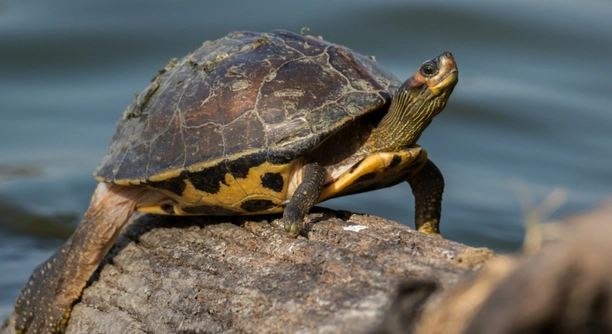
Your Indian Roofed Tortoise may often appear to stare at the wall, leading you to wonder about its behavior. This unusual action can leave many tortoise owners puzzled, seeking to understand its meaning.
This behavior is typically linked to stress, boredom, or a desire for escape. Tortoises may fixate on walls when their environment lacks stimulation, or they feel trapped. Understanding this can help address the root cause of the behavior.
By creating a more engaging habitat for your tortoise, you can reduce its wall-staring and improve its overall well-being.
Environmental Factors Impacting Your Tortoise
A common reason your Indian Roofed Tortoise stares at the wall is its environment. If the enclosure feels too small, lacks proper hiding spots, or doesn’t have enough enrichment, it can create stress. A stressed tortoise may begin repeating this behavior to cope with its frustration. The walls might represent a barrier it feels trapped behind, leading to the stare. Additionally, if the enclosure is too quiet or offers little variety, your tortoise may have limited stimulation. Tortoises are naturally curious, and an unengaging environment doesn’t allow them to explore or display their natural behaviors.
Sometimes, a lack of proper lighting can also contribute. Your tortoise may not feel comfortable if its environment doesn’t mimic natural light and temperature cycles. This imbalance may also affect its mood, contributing to the repetitive staring.
Consider adding more hiding spots, objects to climb, or a change in lighting to help your tortoise feel more at ease in its space.
Understanding Your Tortoise’s Needs
Offering your tortoise a stimulating environment goes a long way. An enriched habitat can make a significant difference.
Investing in a variety of textures and objects can keep your tortoise engaged.
Stress and Anxiety in Your Tortoise
Stress is one of the primary reasons your tortoise may fixate on the wall. Tortoises are sensitive to changes in their environment, and even slight disruptions can cause anxiety. This behavior may be a result of feeling unsafe or threatened.
If your tortoise is kept in an area with high foot traffic or loud noises, it can easily become stressed. Additionally, overcrowding or sudden changes in temperature and humidity can cause discomfort. The repeated staring may reflect your tortoise’s attempt to process its unease or simply cope with the tension. Ensuring a quiet and peaceful environment can help alleviate this behavior.
Pay attention to factors like temperature fluctuations or nearby disruptions. Keeping the tortoise’s space calm and stable can help reduce stress and prevent unnecessary staring. Providing a safe, quiet environment gives your tortoise the comfort it needs to feel secure and relaxed.
Physical Health Concerns
Your tortoise’s physical health plays a significant role in its behavior. Health issues can make your tortoise feel unwell and cause it to act out of character, such as staring at walls.
If your tortoise is experiencing pain, discomfort, or illness, it might exhibit unusual behaviors. Even if it’s something minor, like a small injury or minor dehydration, your tortoise could retreat into a repetitive action like staring. Always monitor its overall health and look for other signs, such as reduced appetite or sluggishness.
If you notice any concerning changes, it may be a good idea to visit a vet to rule out any health problems. Getting a proper diagnosis and treatment can help bring your tortoise back to its normal behavior.
Boredom and Lack of Stimulation
Your tortoise may stare at the wall because it’s simply bored. Tortoises are curious creatures, and without enough things to explore, they can become restless. A lack of stimulation can lead to repetitive behaviors like staring.
Try adding new objects to its habitat, such as rocks, plants, or safe toys. Tortoises enjoy exploring their surroundings and will often engage more if there’s variety. Without enrichment, your tortoise may become fixated on the walls, feeling that there’s nothing else to do. Consider switching up its habitat every few weeks to keep things interesting.
The Importance of Proper Lighting
Lighting is essential for your tortoise’s well-being. Without proper UVB lighting, your tortoise’s health could decline, affecting its mood and behavior.
Ensure that the light source mimics natural daylight cycles, giving your tortoise the necessary warmth and UV exposure to stay healthy. Tortoises rely on UVB light to synthesize vitamin D3, which is crucial for absorbing calcium and maintaining a healthy shell. Without this, your tortoise may become sluggish and disengaged, leading to abnormal behavior, like staring at walls.
FAQ
Why is my Indian Roofed Tortoise staring at the wall?
Your tortoise may be staring at the wall due to stress, boredom, or a lack of stimulation. Environmental factors such as a small enclosure, insufficient hiding spots, or a quiet space can contribute to this behavior. Tortoises are naturally curious and need a variety of things to keep them engaged. If they feel trapped or unstimulated, they may focus on something like the wall as a way of coping. Check the conditions in their environment to see if there are areas for improvement.
Can my tortoise’s staring mean it is sick?
Staring at the wall could be a sign of a health issue. If your tortoise is staring more frequently, it may be in pain, unwell, or dealing with discomfort. It’s important to monitor for other signs of illness, like changes in eating habits, lethargy, or visible signs of injury. If you notice any abnormal behaviors, it’s best to take your tortoise to the vet to rule out any physical problems.
How can I reduce my tortoise’s wall-staring behavior?
Improving your tortoise’s living environment can significantly help reduce wall-staring. Provide more enrichment by adding objects like rocks, climbing structures, and hiding spots. Keep the space clean and ensure it has enough room for your tortoise to roam. Also, make sure the lighting and temperature are ideal for its needs, as stress can result from improper conditions. Regularly changing the layout or adding new elements can keep the tortoise engaged and reduce the likelihood of repetitive behaviors.
Does my tortoise need more light?
Yes, proper lighting is crucial for your tortoise’s health. Tortoises require both UVB light and basking light to stay healthy. Without these, they can suffer from calcium deficiency, which may lead to abnormal behaviors like wall-staring. A proper UVB light source allows your tortoise to synthesize vitamin D3 and absorb calcium, essential for shell and bone health. Ensure your tortoise gets 10-12 hours of daylight and 12 hours of darkness to maintain a healthy light cycle.
How can I tell if my tortoise is stressed?
Stress in tortoises can manifest through behaviors like excessive wall-staring, lethargy, or hiding. Your tortoise might also lose its appetite or become more withdrawn. Environmental factors, such as loud noises or overcrowding, can contribute to stress. A stressed tortoise might also exhibit defensive behaviors, like biting or rapid movements. Monitor its behavior closely and try to address any potential stressors in its environment.
How can I make my tortoise’s habitat more engaging?
To keep your tortoise engaged, provide various textures, climbing opportunities, and hiding spots in its enclosure. Adding plants, rocks, or logs can create a more stimulating environment. Tortoises love to explore, so offering new objects occasionally or rearranging the habitat can encourage exploration. If possible, consider giving your tortoise access to an outdoor enclosure where it can explore natural elements like grass and dirt.
What temperature does my tortoise need?
Maintaining the correct temperature is vital for your tortoise’s health and behavior. The warm side of the enclosure should be around 85-90°F, with a basking spot reaching 95°F. The cooler side should range from 75-80°F. These temperatures allow your tortoise to regulate its body heat, which is essential for digestion and overall well-being. Make sure the temperature stays consistent to avoid stressing your tortoise.
Can I leave my tortoise outside?
Yes, but only if the weather is appropriate. Indian Roofed Tortoises can spend time outside in warm, dry climates with secure fencing. They enjoy basking in the sun, and an outdoor enclosure can provide them with a more natural environment to explore. However, it’s important to keep them safe from predators and extreme temperatures. Always monitor your tortoise closely when it’s outdoors to ensure it doesn’t wander off or encounter danger.
How often should I feed my tortoise?
Indian Roofed Tortoises need a varied diet, including leafy greens, vegetables, and occasional fruits. They should be fed once a day, but the amount depends on their size and age. It’s important not to overfeed, as obesity can cause health issues. Always provide fresh food and ensure your tortoise has access to clean water. If you are unsure about the proper diet for your tortoise, consulting a vet is a good idea to ensure you’re meeting its nutritional needs.
Is wall-staring a normal behavior for tortoises?
While occasional wall-staring can be normal, excessive staring is not typical and could be a sign that something is wrong. It’s often linked to environmental factors, stress, or a lack of stimulation. If the behavior persists, it’s important to evaluate your tortoise’s living conditions and overall health. If in doubt, seek advice from a reptile vet to rule out underlying health problems.
Final Thoughts
Understanding why your Indian Roofed Tortoise stares at the wall is key to addressing the issue. Staring can be a sign of boredom, stress, or even a health concern. It’s essential to pay attention to your tortoise’s environment, as changes can sometimes lead to these behaviors. If the habitat is too small, lacks stimulation, or has improper lighting and temperature, your tortoise may start to fixate on the wall as a way of coping. Observing your tortoise closely and adjusting its living conditions can help reduce these behaviors and improve its overall well-being.
To prevent this from happening, ensure your tortoise has plenty of space to roam and explore. Enrich its habitat by adding various textures, climbing surfaces, and hiding spots. These changes can make a significant difference, as tortoises are naturally curious creatures that need mental stimulation. Regularly changing the environment or adding new objects can keep your tortoise engaged and reduce any repetitive behaviors. It’s also important to provide proper lighting, both UVB and basking lights, to meet its health needs. Poor lighting can lead to lethargy and other issues that might cause wall-staring.
While wall-staring may seem odd, it’s often a result of unmet needs. If the behavior continues despite environmental changes, it may be time to check your tortoise for health issues. A visit to the vet can rule out underlying medical conditions. Regular vet checkups are essential for tortoises, as they can develop health problems that affect their behavior. By taking these steps and providing a comfortable and stimulating environment, you can ensure your tortoise remains happy, healthy, and less likely to engage in repetitive behaviors.

Hello,
If you enjoy the content that we create, please consider saying a "Thank You!" by leaving a tip.
Every little bit helps us continue crafting quality advice that supports the health, happiness, and well-being of pets around the world, for pets of all shapes, sizes, and species.
We really appreciate the kindness and support that you show us!