
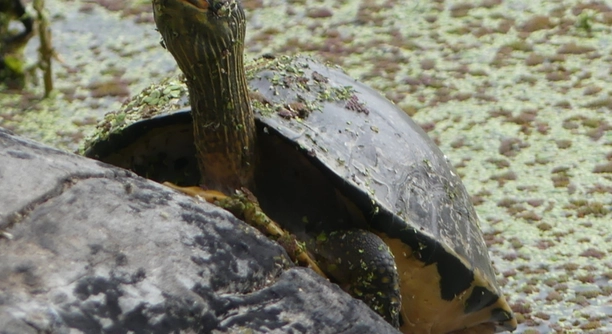
When considering an Indian Roofed Tortoise, several factors come into play. From size and health to proper habitat, it’s essential to be informed before making this special reptile part of your life.
The most important aspects to check include the tortoise’s size, shell condition, and activity level. A healthy Indian Roofed Tortoise should have a smooth shell, clear eyes, and be active, indicating proper care and environment.
Understanding these elements ensures you choose a healthy tortoise that thrives in its new home.
Size and Growth
When buying an Indian Roofed Tortoise, it’s important to consider its size. These tortoises can grow quite large, sometimes reaching lengths of up to 12 inches. Keep in mind that they require a spacious environment to move around and grow. A cramped space can cause health problems, so having enough room is key. The tortoise’s growth rate can vary depending on its diet and living conditions, but they generally grow steadily over time. If you’re planning to house one, make sure you’re prepared for a larger living area as it matures.
Choosing the right enclosure is essential. Providing the correct size from the beginning will ensure it stays healthy.
Tortoises that grow too large for their enclosure can experience stress, which impacts their overall health. Growth can also be influenced by diet, so offering the right balance of nutrients will help them develop appropriately. Ensure their habitat has adequate space and hiding spots to accommodate their needs as they grow.
Shell Condition
A healthy shell is one of the most important signs of a tortoise’s overall well-being. Look for any cracks, lesions, or unusual shapes in the shell. These can indicate injury or poor care. Regular checks are necessary to detect any early signs of damage or disease. Make sure that the shell is smooth and firm, not soft or brittle, which could indicate nutritional deficiencies.
The condition of the shell will tell you a lot about the tortoise’s past care. An undamaged shell often reflects a well-maintained environment.
Proper diet, including enough calcium, and exposure to sunlight are key to maintaining a healthy shell. Tortoises need vitamin D3 for calcium absorption, which is why regular sun exposure is so important. Without it, the shell can weaken, leading to deformities. Regularly inspecting the shell also helps catch minor issues before they become serious problems. By ensuring proper care and nutrition, you can help your Indian Roofed Tortoise maintain a strong, healthy shell throughout its life.
Activity Level
Indian Roofed Tortoises are active creatures, especially during the day. It’s important to check if the tortoise moves around freely and explores its surroundings. A sluggish tortoise may indicate poor health, stress, or improper living conditions. If it seems overly inactive, it could be a sign of an underlying issue.
Tortoises naturally seek out food, water, and places to hide, so a healthy one will demonstrate active behaviors. They’re not typically the type to sit still for long periods. If they’re housed in a cramped space or feel threatened, they may become inactive.
A good way to assess activity is by observing its behavior over time. Active tortoises will roam their space, eat regularly, and interact with their environment. If the tortoise is constantly hiding or refuses to eat, this can be a warning sign that something is wrong.
Diet and Nutrition
Providing a balanced diet is essential for the health of an Indian Roofed Tortoise. They mainly feed on plants, including grasses, leafy greens, and vegetables. Make sure the tortoise is being fed the right foods to support growth and a healthy shell. Overfeeding or feeding the wrong types of food can lead to health issues.
A varied diet, rich in fiber, helps maintain healthy digestion. Along with leafy greens, adding occasional fruits and flowers can provide extra nutrients. Avoid feeding too many sugary or fatty foods, as they can lead to obesity or shell deformities.
The key to keeping your tortoise healthy is providing the right balance of foods. This includes calcium-rich greens, such as dandelions or collard greens, which support strong bone and shell development. Be cautious with the water source as well; clean, fresh water should always be available. Regularly adjusting their diet based on age and size will ensure they remain in good health for years to come.
Health Check
Inspecting the health of an Indian Roofed Tortoise is crucial before purchasing. Check for clear eyes, smooth skin, and a healthy appetite. Any signs of illness like swelling, abnormal discharge, or lethargy should be a red flag. It’s better to choose a tortoise that looks vibrant and active.
A quick health check involves examining the eyes and nose for clear discharge and checking the shell for any irregularities. The tortoise should be responsive to movement and environmental changes. If it’s not, it could suggest illness or stress. Always ask about its medical history if available.
Habitat Requirements
Creating the right habitat is essential for your tortoise’s well-being. Indian Roofed Tortoises need both indoor and outdoor access, with proper temperature and humidity levels. A spacious enclosure with hiding spots, a basking area, and access to water ensures they thrive. Maintaining these conditions supports their health and activity levels.
Adequate UVB lighting, a heat source, and a substrate that allows digging and burrowing are important. If kept outdoors, the enclosure must be secure to prevent escape. Keeping the habitat clean and ensuring it’s the right size will encourage natural behaviors, leading to a happier tortoise.
Behavior Observation
Indian Roofed Tortoises are typically peaceful and social animals. When assessing behavior, pay attention to how they interact with their environment. They should be alert and responsive to sounds and movement, but not overly aggressive. If the tortoise seems excessively defensive or hides constantly, it might indicate stress.
Take time to watch how the tortoise behaves in its current environment. A calm, curious attitude shows that the animal is comfortable. If the tortoise retreats into its shell at every movement, it may not have adjusted well to its surroundings, suggesting poor care or socialization.
FAQ
What is the lifespan of an Indian Roofed Tortoise?
Indian Roofed Tortoises can live for several decades if provided with proper care. On average, they live between 40 to 50 years. Some individuals have even been known to live longer with optimal conditions, including a balanced diet, appropriate habitat, and regular health checks.
How big do Indian Roofed Tortoises get?
These tortoises grow to be around 10 to 12 inches in length. Their size can vary depending on factors like diet, genetics, and living conditions. As they mature, they require more space to move around comfortably, so keep that in mind when planning their enclosure.
What should I feed my Indian Roofed Tortoise?
They primarily eat leafy greens, grasses, and vegetables. You can offer them dandelions, collard greens, kale, and other similar plants. Occasionally, you can provide them with fruits, but these should be given sparingly. Avoid sugary or fatty foods to prevent health issues. Fresh water should always be available.
Do Indian Roofed Tortoises need sunlight?
Yes, they require exposure to UVB light for proper shell and bone development. If they are kept indoors, it’s crucial to provide them with UVB lighting. Natural sunlight is best, but if that’s not possible, invest in a good UVB light. Without it, they could develop metabolic bone disease.
Can I keep more than one Indian Roofed Tortoise together?
It’s possible to house multiple tortoises together, but it requires extra care. Make sure the enclosure is large enough for each tortoise to have its own space. Be aware that male tortoises may become territorial and aggressive, especially during mating season. Regular monitoring is needed to ensure they don’t fight or stress each other.
How often should I clean my tortoise’s enclosure?
Cleaning is essential for maintaining a healthy environment. Spot clean daily, removing any uneaten food, waste, or soiled bedding. A more thorough cleaning, including disinfecting surfaces, should be done weekly or biweekly. Keep their water source clean and fresh, replacing it daily.
What type of substrate should I use for their habitat?
Indian Roofed Tortoises prefer a substrate that mimics their natural environment. A mix of coconut coir, orchid bark, or soil works well. The substrate should be deep enough for them to burrow and should be kept dry. Avoid using sand, as it can cause health issues when ingested.
Do Indian Roofed Tortoises need a water dish?
Yes, they need access to fresh water at all times. You can provide a shallow dish that allows them to drink and soak in. Make sure the water dish is big enough for the tortoise to climb in but not deep enough to cause a drowning risk. Change the water regularly to prevent bacteria growth.
What is the ideal temperature for an Indian Roofed Tortoise?
Indian Roofed Tortoises prefer temperatures ranging from 75°F to 85°F during the day. A basking area should be slightly warmer, around 90°F to 95°F. At night, the temperature can drop slightly but should not go below 70°F. Using heat lamps and a thermometer can help maintain these conditions.
How can I tell if my tortoise is sick?
Signs of illness in Indian Roofed Tortoises include lethargy, loss of appetite, abnormal discharge from the nose or eyes, swollen limbs, or shell deformities. If your tortoise exhibits any of these symptoms, it’s essential to consult a veterinarian experienced with reptiles. Early intervention is key to preventing further complications.
Can Indian Roofed Tortoises live outside?
Yes, they can live outdoors if the climate is suitable. They require a secure enclosure with a shaded area, a basking spot, and access to fresh water. If you live in an area with cold winters, it’s better to bring your tortoise indoors during that time. Always ensure the enclosure is escape-proof.
Do Indian Roofed Tortoises hibernate?
Indian Roofed Tortoises do not hibernate in the traditional sense, but they may enter a period of reduced activity during colder months. If kept outdoors, ensure they have a warm, sheltered spot to retreat to. However, they still need adequate heat and UVB light during this time to stay healthy.
How do I ensure my tortoise is getting enough calcium?
Calcium is vital for shell and bone health. You can provide calcium supplements in the form of powder, which can be sprinkled on their food. Offering calcium-rich foods like collard greens, dandelions, and other leafy greens will also support their calcium intake. Ensure your tortoise has access to UVB light, as it aids calcium absorption.
Is it normal for my tortoise to eat its own feces?
Occasionally, tortoises might eat their feces, a behavior known as coprophagy. This is typically not a concern, as it can sometimes help them absorb any remaining nutrients. However, if it becomes a consistent behavior, it could indicate a dietary imbalance, and you should reassess their food choices.
What are the signs of a dehydrated tortoise?
A dehydrated tortoise may have dry, cracked skin or a sunken appearance. It may also show a lack of interest in food or become more lethargic. Make sure your tortoise always has access to clean water and occasionally soaks it in lukewarm water to help with hydration. If symptoms persist, consult a vet.
Can Indian Roofed Tortoises be trained?
Indian Roofed Tortoises are not highly trainable like some other pets, but they can learn basic routines, especially when it comes to feeding. You can train them to associate certain actions with food, such as coming to a specific area when they hear the food container. Patience and consistency are key.
What should I do if my tortoise isn’t eating?
If your tortoise refuses to eat, check its environment for stress factors like temperature, humidity, or an overcrowded space. Ensure it’s not sick or suffering from parasites. If the issue persists for several days, it’s best to consult a veterinarian to rule out health problems.
Can I use a glass tank for my tortoise?
While glass tanks are commonly used for reptiles, they may not be the best option for an Indian Roofed Tortoise due to their size and need for ventilation. If you choose a glass tank, ensure it’s large enough and has proper ventilation. A wooden or plastic enclosure may be more suitable in the long term.
Final Thoughts
Indian Roofed Tortoises can make fascinating and low-maintenance pets when given the right care. They are hardy creatures that thrive in a controlled environment with consistent temperatures, humidity, and proper lighting. When considering bringing one into your home, it’s important to be prepared for the responsibility of meeting their specific needs, such as providing a balanced diet, an appropriate habitat, and regular health checks. Understanding their behavior, habitat requirements, and feeding habits will help ensure they live a long, healthy life.
The key to keeping an Indian Roofed Tortoise is consistency. A suitable enclosure, proper lighting, and a steady temperature are essential for their well-being. While they are relatively low-maintenance compared to some pets, they still need regular attention to ensure they are comfortable and healthy. Their diet should be varied and rich in nutrients, providing them with leafy greens, vegetables, and occasional fruits. Water should always be available, and they require both hydration and the right temperature to digest their food properly.
By keeping these factors in mind, Indian Roofed Tortoises can thrive in your home or garden. They are known for their calm demeanor, and their presence can be quite soothing. As long as you provide the proper environment and care, you’ll have a reliable companion for many years to come.

Hello,
If you enjoy the content that we create, please consider saying a "Thank You!" by leaving a tip.
Every little bit helps us continue crafting quality advice that supports the health, happiness, and well-being of pets around the world, for pets of all shapes, sizes, and species.
We really appreciate the kindness and support that you show us!