
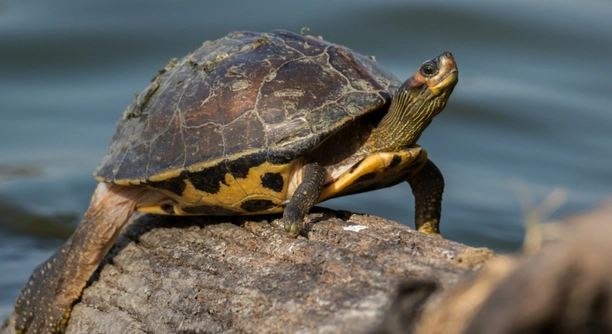
Keeping your Indian Roofed Tortoise healthy requires more than just proper feeding. Ensuring it gets enough exercise is key for its overall well-being. Exercise helps maintain a healthy weight and supports its natural behavior.
The most reliable way to assess if your tortoise is getting enough exercise is by observing its movement. A healthy tortoise should be active, moving around its enclosure regularly. Lack of activity can indicate an exercise deficiency.
Exercise is crucial to your tortoise’s health, and understanding how to properly meet its needs will enhance its overall well-being.
Understanding Your Tortoise’s Exercise Needs
Tortoises need physical activity to stay healthy and happy. An active lifestyle allows them to develop strong muscles and bones. Exercise also helps maintain their metabolism and can prevent obesity, which is common in pet tortoises. It’s essential to create an environment that encourages natural movement. This includes a spacious enclosure, access to various surfaces, and objects to explore. Your tortoise may not always show signs of exertion, but you can observe its behavior for clues. Active exploration and foraging are great indicators that your pet is getting adequate exercise. If you notice your tortoise becoming sedentary, you may need to adjust its living conditions to encourage movement.
Sometimes, a lack of exercise can be linked to factors like temperature, diet, or stress. A cooler enclosure can lead to sluggish behavior, as tortoises are cold-blooded and require warmth to stay active. Ensure the habitat is well-lit and maintains proper temperature levels. Additionally, a high-calcium diet paired with exercise helps improve bone strength and muscle function.
If your tortoise appears sluggish or less active than usual, check its enclosure for potential barriers that prevent movement. Rearranging the space or adding climbing opportunities might encourage more activity. It’s also helpful to give your tortoise time outside its enclosure in a safe, controlled space for more exercise. By understanding these needs, you can maintain an environment that supports both physical and mental health for your tortoise.
Signs Your Tortoise Is Not Getting Enough Exercise
If your tortoise is not getting enough exercise, it may show signs of lethargy or weight gain. Slower movements, staying in one spot for extended periods, and refusing to roam the enclosure are all red flags.
Lack of exercise can also lead to muscle weakness, which in turn can affect your tortoise’s ability to walk and move around. Regular movement is key to maintaining strong muscles. If your tortoise starts dragging itself instead of walking, it’s a clear sign it’s not getting enough physical activity.
Monitoring your tortoise’s behavior can help you identify when something isn’t right. You may need to adjust its diet or increase the space available for movement. A lack of activity can also result in an unhappy tortoise, as these reptiles thrive when they’re able to explore and interact with their environment. Keeping your pet engaged with stimulating surroundings is a vital part of its exercise routine.
Creating the Ideal Environment for Exercise
The right environment can significantly encourage your tortoise to move more. Ensure the enclosure is spacious and offers variety. A larger space allows for natural movement, while adding obstacles or hiding spots can stimulate curiosity and exploration.
Tortoises enjoy exploring their surroundings, and providing different textures, like rocks, logs, or plants, can promote exercise. Uneven surfaces give your tortoise the opportunity to climb and navigate, engaging different muscle groups. Additionally, adding areas where they can dig or forage can make the habitat more stimulating. The more variety you offer, the more likely your tortoise will stay active.
Keep the habitat well-lit and warm, as this will also promote activity. Without proper lighting and temperature, your tortoise may become sluggish and inactive. By creating a well-rounded environment, your tortoise will have a higher chance of staying physically fit and healthy.
Encouraging Outdoor Time
Taking your tortoise outside can be an excellent way to encourage exercise. Ensure the outdoor space is secure and safe, free of predators, and free from any harmful plants.
Let your tortoise roam freely in a secure outdoor space where it can explore and move around naturally. This allows it to get sunlight, which is essential for its well-being and exercise. Outdoor time can be especially beneficial during warmer months, as tortoises can benefit from the natural environment. It’s a great opportunity for them to interact with new textures, terrain, and elements that they may not encounter indoors.
By regularly offering outdoor time, you provide your tortoise with more space to explore, which leads to more movement. Ensure the space is free from hazards, as tortoises can be curious and may wander into risky areas.
Monitoring Activity Levels
Tracking your tortoise’s activity is an essential part of ensuring it gets enough exercise. Regularly check how much time it spends moving around its enclosure. A healthy tortoise will show interest in exploring its environment, rather than remaining stationary.
If your tortoise tends to stay in one spot for long periods, it might be a sign of insufficient exercise. Also, observe if it tries to climb or forage, which are positive indicators of physical activity. Monitoring its activity helps you make adjustments to improve its exercise opportunities.
Diet and Exercise Link
Proper diet plays a vital role in supporting your tortoise’s exercise routine. A balanced diet, rich in fiber and calcium, helps maintain strong muscles and bones, allowing your pet to move more freely.
Feeding your tortoise the right foods not only supports its growth but also encourages activity. For example, leafy greens, fruits, and vegetables provide essential nutrients. Overfeeding high-fat foods, however, can lead to obesity, which reduces mobility. Pairing proper diet with physical activity ensures your tortoise remains healthy and active.
Signs of Overexertion
While exercise is necessary, overexertion can harm your tortoise. Look for signs like labored breathing or excessive fatigue, which could indicate that your pet has been pushed too hard.
Excessive exercise can lead to stress or injury. If your tortoise shows any signs of distress or reluctance to move, it’s important to rest it and adjust its activity level.
FAQ
How much exercise does my Indian Roofed Tortoise need each day?
Tortoises generally require at least 30 minutes to an hour of physical activity per day. This could involve exploring their enclosure, foraging, or even outdoor time. Regular exercise helps maintain muscle strength and promotes healthy digestion. If your tortoise is younger, it might require more activity to grow strong, while older tortoises may need less but still benefit from regular movement.
What happens if my tortoise doesn’t get enough exercise?
A lack of exercise can lead to obesity, muscle weakness, and a sedentary lifestyle. Over time, this can cause health issues like joint problems or metabolic disorders. It’s crucial to monitor your tortoise’s activity levels to prevent these risks. Ensuring that your pet has enough space and opportunities to move will help maintain its overall health.
Can I use toys or accessories to help my tortoise exercise?
Yes, you can add various objects to your tortoise’s environment to encourage movement. Providing rocks, logs, or tunnels can stimulate curiosity and make your tortoise move more. Interactive items like foraging toys can also promote physical activity. The goal is to create an environment where your tortoise naturally engages and moves around.
How do I know if my tortoise is overweight?
An overweight tortoise may have difficulty moving around, and its body may appear rounder or less defined. You can feel its ribs; if you can’t easily detect them, it may indicate excess weight. Additionally, if your tortoise shows signs of lethargy or a slower-than-normal movement, it may be struggling with its weight.
Is it safe to let my tortoise exercise outside?
Yes, letting your tortoise exercise outside is beneficial, as long as the space is secure and free from predators. Outdoor environments provide natural stimuli and a wider area to explore, which helps promote exercise. However, ensure that the area is free from harmful plants and that your tortoise cannot escape or get into dangerous situations.
Should I adjust the temperature to encourage more exercise?
Yes, temperature plays a significant role in your tortoise’s activity levels. A well-regulated habitat with proper lighting and warmth encourages exercise. Tortoises are cold-blooded, so if the environment is too cold, they may become sluggish. Ensuring that your tortoise has a warm basking spot and a cooler area to regulate its body temperature will help maintain activity levels.
Can I overexercise my tortoise?
Yes, overexercising your tortoise can lead to stress and injury. Tortoises, like any other animals, need breaks and a balanced exercise routine. Monitor for signs of exhaustion, such as labored breathing or a refusal to move. Overexertion can lead to dehydration and strain, so ensure your tortoise has plenty of time to rest between exercise sessions.
What type of surface is best for my tortoise to exercise on?
Uneven surfaces like grass, dirt, or gravel are ideal for promoting natural movement. These surfaces allow your tortoise to engage its muscles, climb, and forage. Avoid using slippery or smooth surfaces that may cause your tortoise to struggle. A natural environment encourages more activity and helps prevent boredom.
Is it okay if my tortoise doesn’t seem very active?
If your tortoise is not very active, it could be a sign of health issues, improper temperature, or stress. It’s important to evaluate its environment and diet. If the conditions are right, and your tortoise is still sluggish, consult a veterinarian. Sometimes, age or natural behavior can also make a tortoise less active, but prolonged inactivity should be addressed.
How can I tell if my tortoise is getting enough exercise?
Monitor your tortoise’s movement throughout the day. A healthy tortoise should be regularly walking, foraging, and climbing. If your tortoise is primarily inactive, consider increasing the space, adding objects for exploration, or letting it roam outside. Look for signs of weight gain or sluggish behavior, which can indicate insufficient exercise.
Can I take my tortoise for walks?
Yes, you can take your tortoise for walks, but they should be short and in a safe, secure environment. You can use a leash designed for tortoises or let them roam on a flat surface. Always supervise them to ensure they are not exposed to any danger, such as predators or harmful plants.
Final Thoughts
Ensuring your Indian Roofed Tortoise gets enough exercise is key to its overall health and well-being. Regular movement helps maintain muscle strength, supports digestion, and prevents obesity. A sedentary tortoise is at risk of developing several health issues, including joint problems and metabolic disorders. By creating an environment that encourages your tortoise to move, you can help it stay active and healthy for years. From the layout of its enclosure to providing space for outdoor exploration, every little change can make a difference in promoting exercise.
The right diet also plays a crucial role in supporting your tortoise’s physical activity. A balanced diet with fiber and essential nutrients will help maintain strength and mobility. Without proper nutrition, even the most active tortoise may not thrive. Overfeeding high-fat foods can cause weight gain and hinder your tortoise’s ability to move freely. By focusing on a healthy diet and regular exercise, you will give your pet the best chance for a long, active life.
Finally, always monitor your tortoise’s behavior. Look out for signs of lethargy or difficulty moving, as these could indicate that your pet is not getting enough exercise or may be suffering from other health issues. If your tortoise seems to be struggling, it is important to adjust its environment or consult a vet. With proper care and attention, you can ensure that your Indian Roofed Tortoise remains active and healthy throughout its life.

Hello,
If you enjoy the content that we create, please consider saying a "Thank You!" by leaving a tip.
Every little bit helps us continue crafting quality advice that supports the health, happiness, and well-being of pets around the world, for pets of all shapes, sizes, and species.
We really appreciate the kindness and support that you show us!