
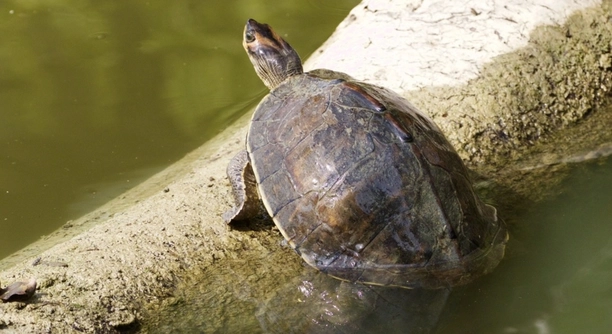
Captive tortoises, especially Indian Roofed Tortoises, require attention to their natural behaviors to ensure they stay healthy and content. Proper care is essential for their well-being, and understanding their needs can make a big difference.
Encouraging natural behaviors in captive Indian Roofed Tortoises can be achieved through creating an enriched environment that mimics their wild habitat, offering varied diets, and allowing opportunities for physical and mental stimulation. This ensures they maintain healthy behaviors.
Learning how to foster a more natural lifestyle for your tortoise will benefit both you and your pet. The following tips provide simple ways to create a better environment for their growth and happiness.
Create a Natural Habitat
Indian Roofed Tortoises thrive in environments that resemble their natural habitat. In the wild, they spend most of their time roaming the forest floor, basking in the sun, and digging. Replicating these elements in captivity is key to encouraging their natural behaviors. This can be done by setting up a large enclosure with a variety of plants and hiding spots. Include both shaded and sunny areas to allow your tortoise to regulate its body temperature. It’s also important to provide a substrate like soil or sand that they can dig into. This setup helps mimic their natural instincts to forage, explore, and hide.
Creating a habitat with these features will help your tortoise feel more comfortable and reduce stress. It also encourages them to be active and more engaged with their environment.
Including logs, rocks, or small trees in the habitat gives your tortoise opportunities to climb and explore. These elements, along with the proper temperature and humidity, support a more natural and healthier lifestyle. Be mindful to remove any harmful plants that could pose a risk to their well-being.
Provide a Proper Diet
Indian Roofed Tortoises are herbivores and need a balanced diet to stay healthy. Offering a variety of greens, vegetables, and fruits that closely resemble what they would eat in the wild is essential.
Fresh leaves, grasses, and flowers should make up the bulk of their meals. It’s important to avoid feeding them high-oxalate foods like spinach, which could cause health issues over time. You should also offer some wild weeds and flowers, like dandelions, which provide added nutrients and enrichment.
By providing these natural food sources, you encourage foraging behavior, which is important for your tortoise’s mental and physical health. Ensure the food is fresh and free of pesticides. Including different textures and colors in their diet will also keep them engaged. You can also offer calcium-rich foods to support strong shells and bones, mimicking the diverse diet they would have in the wild.
Provide Opportunities for Physical Activity
Tortoises are naturally active animals, so it’s crucial to offer space where they can move around freely. A large, secure enclosure is ideal for them to roam, helping them stay physically fit.
Creating pathways with obstacles like rocks, tunnels, or low ramps will encourage them to explore and exercise. This also mimics the varied terrain they would encounter in the wild, helping keep them engaged.
Regular outdoor time is also beneficial. If the weather is suitable, allowing them to roam in a safe, enclosed outdoor space provides additional opportunities for natural behaviors. Always supervise them to prevent accidents or escape.
Maintain Proper Lighting and Temperature
Proper lighting is essential for a tortoise’s health and well-being. UVB lighting helps them metabolize calcium, which is necessary for strong bones and a healthy shell.
Set up a basking spot with a heat source like a lamp or ceramic heater to ensure they can regulate their body temperature. The temperature gradient should range from 80°F to 95°F in the warm area and around 70°F in the cooler spots of their enclosure.
When setting up their space, make sure the lights mimic day and night cycles. Use a timer to keep their lighting consistent. Maintaining proper temperature and lighting will encourage them to stay active and exhibit natural behaviors like basking and digging.
Provide Hiding Spots
Tortoises, like Indian Roofed Tortoises, need places to hide to feel secure. Adding hides, such as small caves or shelters, helps them reduce stress and exhibit natural behavior.
These hiding spots allow your tortoise to retreat when feeling threatened. This can be as simple as a small wooden box or natural rocks piled together. Make sure they are easily accessible, so your tortoise can rest and recharge in privacy.
Offer Interaction and Mental Stimulation
In addition to physical activity, mental stimulation is important for tortoises. Interaction with their environment helps them avoid boredom. Regularly changing up the enclosure by rearranging objects, adding new plants, or introducing new objects for them to explore encourages curiosity.
Providing puzzles, such as hiding food in different spots, can challenge their problem-solving abilities. Tortoises are intelligent creatures, and offering a variety of stimulating activities ensures they stay mentally engaged, preventing frustration or lethargy.
Monitor Their Behavior Regularly
Observing your tortoise regularly is vital for understanding its needs and behaviors. Watch for signs of stress or discomfort.
FAQ
What is the best substrate for an Indian Roofed Tortoise?
The best substrate for Indian Roofed Tortoises is a mixture of soil and sand, which closely mimics their natural environment. This allows them to dig and burrow, a natural behavior they enjoy. Avoid using wood chips or gravel, as these can cause digestive problems if ingested. It’s important to keep the substrate dry but still able to maintain some moisture for humidity levels. Always change the substrate regularly to prevent bacteria buildup.
How often should I feed my Indian Roofed Tortoise?
Indian Roofed Tortoises should be fed daily, but the amount depends on their size and age. Juveniles typically need more frequent meals, while adults can be fed every other day. Their diet should consist primarily of leafy greens, grasses, and some vegetables. You can occasionally offer fruits as a treat, but avoid overfeeding them to prevent obesity. Always ensure that their food is fresh, and try to vary it to mimic their natural diet.
Can I keep my Indian Roofed Tortoise outside?
Yes, Indian Roofed Tortoises can be kept outside, but only in safe, secure environments. Outdoor enclosures should be escape-proof and protected from predators. The area should have enough space for them to roam, as well as shaded and sunny spots for them to regulate their body temperature. Make sure the temperature remains within a safe range, and provide hiding spots for them to retreat to. If the weather gets too cold or hot, bring them inside to ensure their safety and comfort.
How can I tell if my tortoise is stressed?
Signs of stress in tortoises can include decreased appetite, excessive hiding, or pacing around their enclosure. A stressed tortoise might also become less active and stop basking. Another common sign of stress is if they begin to exhibit abnormal behaviors, like scratching at the sides of their enclosure or trying to escape. Make sure the habitat conditions are appropriate, and look for any signs of illness or discomfort. If the stress continues, consult a veterinarian who specializes in reptiles.
Should I bathe my Indian Roofed Tortoise?
Yes, it’s beneficial to bathe your tortoise occasionally. This helps with hydration, especially if they are not drinking enough water. Use shallow, lukewarm water, just deep enough to cover their legs and allow them to move around. Don’t force them to stay in the water; a short bath of about 15-20 minutes is usually enough. Bathing also helps them shed their skin and keeps their shell clean. Afterward, make sure they dry off properly.
What kind of lighting does an Indian Roofed Tortoise need?
Indian Roofed Tortoises need both UVA and UVB lighting. UVA helps them regulate their behavior and appetite, while UVB is crucial for calcium absorption and shell health. Set up a basking spot with a heat lamp that provides direct sunlight-like conditions. The temperature in the basking area should range from 90°F to 95°F, while the rest of the enclosure can be cooler. A timer should be used to simulate day and night cycles, ensuring the tortoise gets 10-12 hours of light each day.
How do I help my tortoise grow a healthy shell?
A healthy shell comes from a combination of proper diet, UVB lighting, and exercise. Ensure your tortoise has a calcium-rich diet with foods like dandelions, collard greens, and other leafy vegetables. Offering calcium supplements in the form of powder or cuttlefish bone is also recommended. Providing ample sunlight or UVB lighting helps with calcium metabolism, which is essential for shell growth. Allowing your tortoise to roam and engage in natural activities, such as climbing and digging, also strengthens their shell.
Can I house multiple tortoises together?
Housing multiple tortoises together can work, but it requires careful consideration. Tortoises are territorial creatures, and housing them together can sometimes lead to aggression or stress, especially if there is insufficient space. If you choose to house more than one, make sure they have plenty of room, with enough hides and food sources for each tortoise. It’s also crucial to monitor them for signs of aggression, like chasing or biting. If necessary, house them separately to avoid stress and injury.
What temperature should I keep my tortoise’s enclosure at?
Indian Roofed Tortoises need a temperature gradient in their enclosure. The basking area should be around 90°F to 95°F, and the cooler side should stay between 75°F and 80°F. At night, temperatures can drop to 70°F but should not go below 65°F. Use a thermostat to regulate the temperature and avoid extremes. If you live in a cooler climate, consider using a ceramic heat emitter or a heat lamp to maintain warmth during colder months. Proper heating is vital for digestion and overall health.
How can I tell if my tortoise is sick?
Signs of illness in a tortoise include a lack of appetite, lethargy, nasal discharge, swollen eyes, or unusual breathing sounds. If your tortoise has difficulty walking or appears to be favoring a limb, it could indicate injury or a health problem. Keep an eye on the consistency of their waste; diarrhea or extremely dry stools may also signal health issues. If you notice any of these signs, it’s important to consult a reptile veterinarian promptly for diagnosis and treatment.
Final Thoughts
Caring for an Indian Roofed Tortoise requires more than just providing food and water. To ensure they live healthy and natural lives, it’s essential to create an environment that allows them to display their instinctive behaviors. From offering enough space for roaming to mimicking their natural habitat, every aspect of their care matters. An enriched environment encourages natural behaviors like foraging, basking, and digging, which are all important for their physical and mental well-being.
Providing a balanced diet and maintaining proper lighting and temperature are crucial parts of their care. These tortoises thrive on fresh greens, vegetables, and occasional fruits, ensuring they get all the nutrients they need. UVB lighting is just as important as their diet, as it helps them absorb calcium, which is vital for shell health. Regular interaction and mental stimulation are just as important as their physical environment. Mental challenges and new experiences, such as hiding food or rearranging their enclosure, can keep them engaged and active, preventing boredom and stress.
Finally, observing their behavior regularly is an important step in making sure they are happy and healthy. Stress, illness, or discomfort can sometimes go unnoticed, so it’s essential to pay attention to any signs of change in their habits. Ensuring that their enclosure remains clean, their diet stays varied, and their environment remains stimulating will help your Indian Roofed Tortoise thrive in captivity. With proper care, they can lead a fulfilling life, exhibiting natural behaviors and enjoying a happy, healthy existence.

Hello,
If you enjoy the content that we create, please consider saying a "Thank You!" by leaving a tip.
Every little bit helps us continue crafting quality advice that supports the health, happiness, and well-being of pets around the world, for pets of all shapes, sizes, and species.
We really appreciate the kindness and support that you show us!