
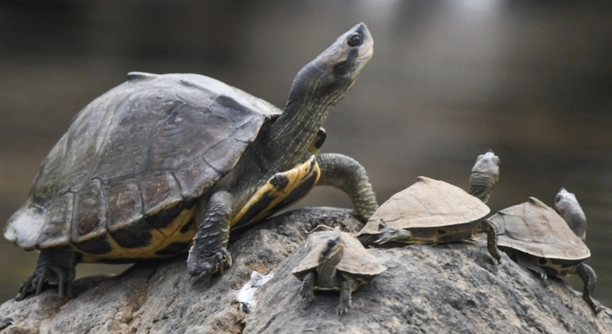
An Indian Roofed Tortoise is usually a calm and curious pet, often exploring its environment. However, when this behavior suddenly changes, it can raise concerns. A shift in their mood or actions is not always easy to understand.
Your Indian Roofed Tortoise might be acting shy due to stress, environmental changes, illness, or natural behavior shifts. Sudden changes in their routine or habitat can also make them retreat into their shell more often.
There are several reasons behind your tortoise’s behavior, and identifying them early will help ensure your pet stays healthy and happy. Let’s explore some common causes and ways to help your tortoise feel more comfortable again.
Environmental Changes Affecting Your Tortoise
Tortoises are sensitive to changes in their environment. If your Indian Roofed Tortoise suddenly becomes shy, it may be reacting to new factors. This could be anything from a change in the room temperature, a different type of bedding, or moving the tank to a new location. Small changes that we might not notice can be enough to stress them out.
It’s important to make sure the environment is stable and calm. Tortoises prefer a consistent habitat with proper heating, humidity, and light. A drastic change can make them feel unsafe or insecure, which could lead them to hide more often.
Additionally, these changes can affect their eating and overall behavior. If your tortoise isn’t comfortable with the new setup, it might retreat into its shell and stop interacting as usual. Restoring the environment to its previous state might encourage your tortoise to come out and feel more confident again.
Stress and Handling
Stress is another common reason for a shy tortoise. Handling your tortoise too often or too roughly can make them anxious.
Frequent handling, loud noises, or even the presence of other animals can cause your tortoise to withdraw. It’s important to handle them gently and avoid overwhelming them with attention. Creating a quiet and peaceful space for them to relax is key to reducing stress.
When tortoises feel overwhelmed, they will hide in their shell as a protective mechanism. Give your tortoise some time to settle and only handle them when necessary. Over time, you may notice them coming out of their shell more often as they regain their comfort and confidence in their space.
Health Issues and Illness
Illness can make your tortoise act shy and withdrawn. If your Indian Roofed Tortoise is suddenly hiding, it might be feeling unwell.
When a tortoise becomes ill, it often shows a lack of interest in eating and a change in behavior. Signs such as lethargy, swollen eyes, or a soft shell could indicate a health issue. These changes might make your tortoise seek shelter in its shell more often, as it feels vulnerable.
Regularly checking your tortoise for any physical changes and monitoring its eating habits can help catch health issues early. If the behavior continues, it’s important to visit a reptile vet. Early treatment ensures your tortoise stays healthy and returns to its active self.
Natural Behavior Patterns
Shyness may simply be a natural behavior for your tortoise. Sometimes, they just need time to adjust or feel more comfortable in their surroundings.
Indian Roofed Tortoises are solitary creatures and can go through phases of being more reclusive. When they’re in a new environment or facing changes in routine, they may retreat. It’s not always a sign of something wrong.
Allowing your tortoise some space to settle into its own rhythm can be beneficial. Over time, you may notice them becoming more social and active again. Avoid forcing interactions and let them come out of their shell at their own pace. Patience is key.
Temperature and Lighting Concerns
Temperature and lighting can affect your tortoise’s behavior. If the enclosure is too hot or too cold, they might hide to stay comfortable.
Indian Roofed Tortoises require a specific temperature range to feel safe and active. If their environment doesn’t meet these needs, they’ll retreat to their shell.
Make sure their habitat has a basking spot around 85-90°F and a cooler area that stays around 75-80°F. Proper lighting, including UVB, is also essential. Without it, they may become lethargic or shy.
Diet and Hydration
A lack of food or water can lead to a shy, withdrawn tortoise. Make sure your pet is getting the right nutrients.
If your tortoise isn’t eating or drinking enough, it might retreat to its shell more often. Offering a variety of leafy greens and fresh water daily can encourage proper hydration and eating habits.
Social Interaction
Tortoises, especially those in solitary environments, may act shy due to a lack of social interaction. While they don’t need constant attention, occasional gentle handling can help them feel more secure.
FAQ
Why is my Indian Roofed Tortoise hiding all of a sudden?
Hiding is a natural behavior for tortoises, but if your tortoise has started hiding unexpectedly, there could be a few reasons. It could be due to stress from environmental changes, such as a new habitat or different temperature. Illness is another possibility, as sick tortoises often retreat to their shells. It’s also possible that your tortoise is simply adjusting to new surroundings or is going through a natural behavioral phase. Make sure their environment is stable and check for any signs of illness, like lack of appetite or changes in their shell.
How can I tell if my tortoise is stressed?
A stressed tortoise may hide more often, eat less, or show signs of aggression when handled. If your tortoise is usually active but suddenly becomes lethargic or refuses food, stress could be the cause. Other stress signs include pacing, excessive hiding, and a withdrawn or defensive posture. Factors such as loud noises, new pets, or handling too frequently can cause stress. Ensure your tortoise has a calm and quiet environment to reduce these stressors.
How can I help my tortoise feel more comfortable?
To help your tortoise feel more comfortable, focus on creating a stable, safe environment. Ensure their enclosure is the right temperature and humidity level, with a basking spot and a cooler area. Make sure they have plenty of space to move around and a hiding spot to feel secure. Avoid too much handling or sudden changes. Be patient and allow them time to adjust to their surroundings.
What temperature should my tortoise’s enclosure be?
Indian Roofed Tortoises need a basking area that is between 85-90°F (29-32°C). The cooler side of the enclosure should be around 75-80°F (24-27°C). Night temperatures should not drop below 70°F (21°C). Maintaining these temperature ranges is crucial for your tortoise’s health and well-being. Make sure to use a reliable thermometer to monitor the temperature and avoid sudden fluctuations.
Is my tortoise acting shy because it’s sick?
If your tortoise is acting shy and hiding more than usual, illness could be a possibility. Sick tortoises often withdraw and may show signs of lethargy, loss of appetite, or changes in their shell texture. If you notice these symptoms, it’s important to consult a vet. Even small signs of illness should not be ignored, as tortoises can hide symptoms for a while. A vet specializing in reptiles can help identify the issue and provide proper treatment.
How can I tell if my tortoise is dehydrated?
Dehydration in tortoises can cause them to hide more often. If your tortoise’s skin looks dry, their eyes are sunken, or they’re not urinating regularly, these can be signs of dehydration. Offer fresh water daily, and soak your tortoise in shallow water to encourage hydration. Dehydration can lead to serious health issues, so addressing it early is important.
Can I handle my tortoise if it’s acting shy?
It’s best to avoid handling your tortoise too much when it’s acting shy. Giving your tortoise space and time to adjust is important. If you must handle it, do so gently and briefly to avoid causing more stress. Let your tortoise come to you on its own terms. Once it feels comfortable, it will likely start engaging with you more.
Why is my tortoise eating less?
If your tortoise is eating less or refusing food altogether, it could be due to stress, illness, or changes in its environment. Stressful situations, like too much handling or changes in temperature, can cause a lack of appetite. Illness, dehydration, or poor diet are also possible causes. Ensure the environment is stable and that your tortoise has access to fresh, nutritious food. If the lack of eating continues, consult a vet.
Is it normal for my tortoise to be more active some days and quieter on others?
Yes, it’s normal for tortoises to have days when they’re more active and other days when they’re quieter. Tortoises are naturally slow-moving and may rest for long periods. They also go through phases of being more active depending on their needs and natural behaviors. However, if the behavior changes suddenly and persists, it’s a good idea to check for stress or health issues.
Can I place other animals in the same enclosure as my tortoise?
It’s generally not recommended to place other animals in the same enclosure as your tortoise. Different species have different needs and behaviors that could stress your tortoise. Additionally, other animals could pose a threat to your tortoise’s safety or health. Keeping the tortoise in its own, secure habitat is the best way to ensure it feels safe and comfortable.
How do I know if my tortoise is adjusting to its new home?
Your tortoise’s behavior will give you clues about how it’s adjusting. If it’s exploring its habitat, eating regularly, and coming out of its shell more often, it’s likely adjusting well. However, if it continues to hide and seems lethargic, it might still be stressed. Give it time, but keep an eye on its behavior and health.
Final Thoughts
It’s normal for an Indian Roofed Tortoise to act shy from time to time. These animals can be sensitive to changes in their environment, stress, or even health issues. When your tortoise starts hiding more than usual, it’s important to consider all possible factors. Is there a new pet in the house, or did you move their enclosure? Have the temperature or lighting conditions changed? Small adjustments can have a big impact on their behavior. Taking the time to check their habitat and routine can help you identify what might be causing them to feel shy or withdrawn.
If you’ve ruled out environmental factors and stress, it’s worth paying attention to their health. Tortoises can hide when they are feeling unwell, and illnesses can often be subtle. Monitoring your tortoise for changes in eating habits, behavior, or physical appearance can give you clues about their health. If you notice anything unusual, it’s always best to consult with a veterinarian who specializes in reptiles. Catching health issues early can make a big difference in your tortoise’s recovery and well-being.
Patience is key when caring for your tortoise. Sometimes, they simply need time to adjust or may be going through a natural period of being more reclusive. As long as the environment is stable, your tortoise is eating, and there are no signs of illness, it’s often just a phase that will pass. Providing them with a peaceful, comfortable space to retreat when they need it, along with the proper care, will help them feel safe and secure. Understanding their natural behavior and being patient will go a long way in helping your tortoise thrive.

Hello,
If you enjoy the content that we create, please consider saying a "Thank You!" by leaving a tip.
Every little bit helps us continue crafting quality advice that supports the health, happiness, and well-being of pets around the world, for pets of all shapes, sizes, and species.
We really appreciate the kindness and support that you show us!