
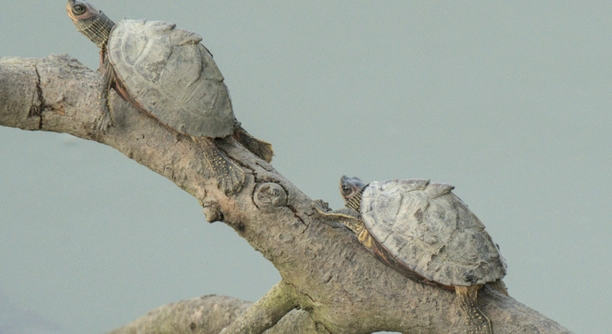
Indian roofed tortoises are fascinating creatures, but sometimes they don’t grow as fast as we expect. Various factors can affect their growth rate, and understanding them is important to provide the best care.
Slow growth in Indian roofed tortoises is often linked to factors such as inadequate diet, poor habitat conditions, insufficient lighting, and health issues. Addressing these issues will ensure the tortoises grow at a healthy and steady pace.
Recognizing and addressing these common causes can help you promote your tortoise’s growth. Stay tuned to learn more about how to tackle each issue for the well-being of your tortoise.
Inadequate Diet
One of the main reasons for slow growth in Indian roofed tortoises is a poor diet. These tortoises need a balanced diet filled with various greens, vegetables, and occasional fruits. Without the proper nutrients, they may struggle to grow at a healthy pace. A diet lacking essential vitamins and minerals can leave them weak, underdeveloped, or even cause long-term health problems.
A lack of calcium can particularly affect their shell development and overall growth. Make sure you include leafy greens like dandelion greens, kale, and collard greens in their meals. Offer high-quality food supplements like calcium powder, and avoid feeding them too many sugary fruits.
Providing a proper diet will make a huge difference. Make sure your tortoise has a variety of food options and avoid overfeeding on one type of food. Regularly check that their meals are fresh and not spoiled. Supplementing with vitamin D3 and calcium is crucial to ensure they get the nutrients needed to thrive.
Poor Habitat Conditions
Poor living conditions can also slow growth. Your tortoise needs the right temperature, humidity, and space to feel comfortable and healthy. Without these, their metabolism can slow down, hindering their ability to grow.
Ensure your tortoise has a spacious, clean enclosure. The temperature should range between 80°F and 90°F, with a cooler area for them to retreat when needed. Humidity levels should be maintained to prevent dehydration or shell problems. A cramped or dirty enclosure will lead to stress, which can affect their overall growth.
Lighting is essential. UVB light is necessary for their shell and bone development. Make sure your tortoise has access to natural sunlight or an artificial UVB light. Without proper lighting, they can develop shell deformities and may experience stunted growth. Keeping the enclosure clean and ensuring it mimics their natural environment is key to supporting their growth.
Insufficient Lighting
UVB lighting is vital for tortoises, especially indoors. Without proper UVB exposure, they can’t synthesize vitamin D3, which is crucial for calcium absorption. This can lead to weak bones and poor growth.
Tortoises require direct or simulated sunlight for 10-12 hours daily. If you’re using artificial lighting, opt for a high-quality UVB bulb designed specifically for reptiles. Without this, your tortoise might experience stunted growth and even shell deformities. Ensure the lighting is placed at an appropriate distance from their basking area to maximize its effectiveness.
Regular exposure to UVB light supports healthy shell growth and overall development. If natural sunlight isn’t available, use an appropriate UVB lamp to simulate sunlight. Keep track of the bulb’s lifespan, as UVB bulbs lose effectiveness over time and should be replaced regularly. Tortoises thrive best in environments that mimic their natural habitat, including proper lighting.
Health Issues
Health issues are a significant factor in slow growth. If your tortoise is unwell, it won’t be able to grow as expected. Parasites, respiratory infections, and other diseases can prevent them from thriving.
A healthy tortoise will be active, eating regularly, and have clear, bright eyes. If you notice any signs of illness like lack of appetite, lethargy, or abnormal behavior, it’s essential to consult a vet. Regular health check-ups help prevent unnoticed issues that could impact their growth.
Parasites can be another issue, often unnoticed until they begin affecting the tortoise’s health. If left untreated, internal parasites can cause malnutrition, weight loss, and slow growth. Regular deworming and keeping their habitat clean can help prevent such problems. Proper care and attention to health will give your tortoise the best chance for steady growth.
Overcrowding
Overcrowding in an enclosure can stress your tortoise, leading to poor growth. If too many tortoises are sharing a space, it reduces their access to food and shelter.
A crowded environment can lead to aggression and competition, making it harder for each tortoise to thrive. Ensure your tortoise has enough space to roam, feed, and bask. Overcrowding can also increase the spread of diseases, which might further affect growth.
Stress from overcrowding can disrupt their feeding and sleeping patterns. A spacious habitat allows them to feel safe and reduce stress, promoting better growth. Proper space is vital for keeping your tortoise healthy and happy.
Temperature Fluctuations
Indian roofed tortoises are sensitive to temperature changes. Fluctuating temperatures can cause stress, slowing their metabolism and growth. Keeping the enclosure temperature stable is crucial for their overall health.
Temperatures should be consistent, with a warm side of the habitat between 85°F to 90°F and a cooler side around 70°F. Any major shifts in temperature can make them less active and affect digestion, slowing growth. Regularly check the temperature using a thermometer to ensure it remains steady.
Sudden temperature drops or rises can weaken their immune system, leaving them susceptible to illnesses. Keeping your tortoise in a temperature-controlled environment reduces the risk of health problems and ensures they grow at the right pace.
Stress
Stress can be a major factor in hindering growth. Tortoises are naturally shy and prefer a quiet, calm environment. Frequent handling, loud noises, or sudden changes can cause anxiety and slow down their growth rate.
A stable and predictable environment helps reduce stress. Make sure their enclosure is placed in a quiet area away from loud sounds and constant activity. Avoid handling your tortoise too much, as this can disrupt its routine and cause unnecessary stress.
FAQ
How can I tell if my tortoise is growing slowly?
A slow-growing tortoise will often show signs like reduced activity, smaller size compared to others of the same age, or lack of weight gain. You might also notice that their shell isn’t growing at the expected rate. If your tortoise seems lethargic or less hungry than usual, it could indicate slow growth. Keeping a record of their size and weight over time will also help you notice if they are growing too slowly.
What should I feed my Indian roofed tortoise?
Indian roofed tortoises require a diet high in fiber and low in protein. They thrive on a variety of leafy greens like dandelion greens, kale, collard greens, and romaine lettuce. You can also offer vegetables like squash, carrots, and occasional fruits such as berries or melons. Be sure to provide calcium supplements to ensure healthy shell and bone growth.
Is it okay to feed my tortoise only one type of food?
It’s important to offer a variety of foods. Feeding them only one type of food, like lettuce, can lead to nutritional imbalances. Tortoises require different vitamins and minerals, which can be found in a diverse diet. Stick to greens, but rotate them to keep meals varied and balanced. This helps them get the nutrients they need to grow properly.
How often should I feed my Indian roofed tortoise?
Young tortoises need to be fed more often than adults. You can feed juveniles daily, while adults should be fed every two to three days. Always make sure fresh water is available at all times. Overfeeding can cause health problems, so portion control is important.
How much space does my tortoise need in its enclosure?
Indian roofed tortoises need enough space to move around freely. A general guideline is at least 4-6 square feet of space for each tortoise. Larger enclosures are always better, as they provide more room for exploration and exercise, both of which are essential for growth.
Can I house multiple tortoises together?
Housing multiple tortoises together can work if you provide enough space and resources. However, be cautious as they can be territorial and may fight over food or space. Monitor their behavior closely, and make sure there’s plenty of food, hiding spots, and basking areas. If any signs of aggression appear, separate them to prevent injury or stress.
What temperature should I maintain in my tortoise’s enclosure?
The ideal temperature range for an Indian roofed tortoise’s enclosure is between 85°F and 90°F on the warm side. The cooler side should be around 70°F. Maintaining a proper temperature gradient allows the tortoise to regulate its body temperature by moving between warmer and cooler areas. Avoid temperature fluctuations, as they can cause stress and slow growth.
How can I keep my tortoise’s habitat clean?
Regular cleaning is necessary to maintain a healthy environment. Remove uneaten food daily and spot clean the enclosure to remove waste. Deep clean the habitat once a week, wiping down surfaces and disinfecting all equipment, including water dishes and basking platforms. A clean enclosure helps prevent illness and promotes healthy growth.
Can I use artificial light for my tortoise?
Yes, UVB lighting is essential for tortoises, especially if they’re kept indoors. UVB light helps them synthesize vitamin D3, which is necessary for calcium absorption and overall health. A high-quality UVB bulb should be used, and it needs to be replaced every 6-12 months as its effectiveness diminishes over time.
How do I know if my tortoise has a health problem?
Common signs of illness in tortoises include a lack of appetite, lethargy, nasal discharge, swollen eyes, or abnormal breathing. If your tortoise is showing these symptoms or isn’t growing at the expected rate, it’s important to consult with a veterinarian. A timely check-up can help address health issues before they affect growth.
What should I do if my tortoise is not eating?
If your tortoise refuses to eat, first check its temperature and lighting. Improper lighting or extreme temperatures can affect appetite. Stress can also cause loss of appetite, so try to keep their environment calm. If the issue persists for more than a couple of days, it may be time to visit the vet for further evaluation.
What type of substrate is best for my tortoise?
A good substrate should retain moisture without becoming too wet. Options like coconut coir, orchid bark, or a mix of sand and soil are good choices. Avoid using cedar or pine wood shavings, as they can be harmful to tortoises. The substrate should also allow for easy cleaning and provide a comfortable surface for burrowing.
How do I handle my tortoise properly?
When handling your tortoise, always be gentle. Pick it up carefully by supporting its body, never just by the shell. Avoid grabbing the legs or head. Too much handling can stress the tortoise, so it’s best to limit interactions unless necessary for health checks or moving them to a different location.
Can my tortoise live outside?
Yes, tortoises can live outdoors, provided their habitat is secure and safe. The enclosure should have proper fencing to prevent escape, and it should be sheltered to protect from extreme weather. Ensure that the area is free from predators, and offer shade and water at all times. Make sure they also have access to UVB light.
How do I know if my tortoise is getting enough UVB light?
Ensure that your tortoise’s UVB light covers their basking area. The light should be no more than 12 inches from the basking spot to be effective. Check the manufacturer’s guidelines for proper distance and bulb replacement intervals. If natural sunlight is available, consider letting them bask outdoors for a while.
Final Thoughts
Taking care of an Indian roofed tortoise requires attention to detail and understanding their specific needs. Slow growth can be frustrating, but the good news is that many of the common causes can be addressed with a little effort. From diet to habitat conditions, small changes can make a big difference in your tortoise’s growth rate. It’s important to monitor your tortoise’s health regularly and provide a balanced environment for them to thrive. By ensuring they have access to proper lighting, a varied diet, and enough space, you can support their growth and overall well-being.
It’s also crucial to keep an eye on any potential stress factors that may hinder their development. Whether it’s overcrowding, temperature fluctuations, or handling, these things can impact your tortoise’s ability to grow at a steady pace. Make sure to create a calm and stable environment that reduces stress. Remember, tortoises are sensitive creatures, and a little change in their surroundings can affect their health. Regular cleaning of their enclosure and making sure their habitat mimics their natural environment will help ensure they stay healthy and grow as expected.
Finally, if you’ve checked all these factors and your tortoise is still growing slowly, it might be time to consult a veterinarian. Sometimes health issues can be the underlying cause, and a professional opinion can help rule out any medical concerns. Patience is key when caring for a tortoise, as their growth takes time. By staying vigilant, making the necessary adjustments, and ensuring your tortoise has the right conditions, you can help them grow healthy and strong over the years.

Hello,
If you enjoy the content that we create, please consider saying a "Thank You!" by leaving a tip.
Every little bit helps us continue crafting quality advice that supports the health, happiness, and well-being of pets around the world, for pets of all shapes, sizes, and species.
We really appreciate the kindness and support that you show us!