
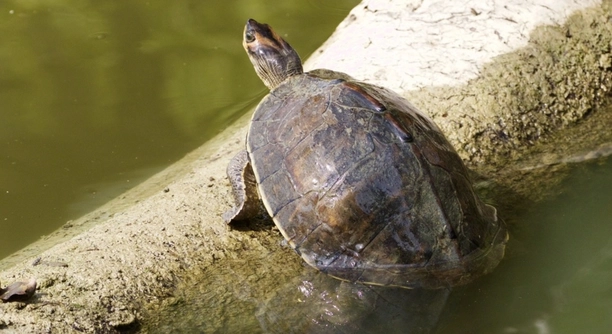
Indian roofed tortoises are fascinating creatures, and providing them with a well-balanced diet is crucial for their health. One challenge many pet owners face is encouraging them to eat more greens. It can be tricky, but it’s not impossible.
The best way to encourage your Indian roofed tortoise to eat more greens is by offering a variety of fresh, appealing options, ensuring they are finely chopped and introduced gradually. This helps increase their interest and improves their acceptance.
There are several ways to make greens more tempting for your tortoise. By applying these simple tips, you can help your pet develop healthier eating habits.
1. Offering Fresh, Varied Greens
The first step in encouraging your tortoise to eat more greens is offering a variety of fresh, healthy options. Tortoises, like us, have preferences, so providing different types of greens such as dandelion leaves, mustard greens, or collard greens can make all the difference. Keep in mind that some greens might be more appealing than others. Freshness is key—wilting or stale greens are less likely to catch your tortoise’s attention. Chop them into smaller pieces for easier access, and rotate the types to prevent boredom. Tortoises can also be picky eaters, so the more you mix it up, the more likely they are to munch on something new.
A mix of greens also helps ensure they get a balanced intake of nutrients. Regularly changing the greens will keep them interested and improve the likelihood of consumption.
It’s important to remember that gradual changes are key. Introducing new greens slowly helps your tortoise get used to the different textures and flavors. Over time, they’ll adapt to a more varied diet. Aim for a daily combination of different types of leafy greens to keep them healthy and satisfied.
2. Hydrating Greens to Increase Appeal
Adding moisture to your tortoise’s greens can make them more appealing. When greens are slightly damp, they often have a fresher look and smell, making them more enticing to your pet.
Try lightly misting the greens before serving. The extra moisture can add a different texture that might appeal to your tortoise. A little water can also help improve the greens’ digestibility and make them easier to chew.
3. Mixing Greens with Their Favorite Foods
Mixing greens with foods your tortoise already enjoys can encourage them to eat more. Adding small amounts of fruits, like strawberries or apples, alongside greens helps to create a tasty combination. It’s important not to overdo it with fruit, though, as it should only be a small part of their diet. This mix can draw attention to the greens while still offering variety. Over time, they might start eating the greens alone once they associate them with the taste of their favorite foods.
Offering foods in this way can make meals more interesting for your tortoise. Try different combinations and observe what they enjoy the most. This approach might take a few attempts, but consistency will eventually pay off.
Once they get used to greens in their meals, you can start reducing the amount of fruit and introducing more vegetables and leafy greens. This method allows your tortoise to adjust to a healthier diet without overwhelming them. With patience, they will get used to eating a wider variety of greens.
4. Adjusting the Temperature of Greens
Temperature plays a role in whether or not your tortoise will eat their greens. Offering slightly warmed greens can make them more appealing. Just like humans, tortoises may prefer their food at a comfortable temperature rather than something straight from the fridge.
Try leaving the greens out for a while before serving them. If you want to warm them up slightly, you can place them in warm water for a few minutes. This can help release the scent of the greens, making them more inviting. Avoid making the greens too hot, though, as this could make them less appetizing.
The warmth can also help enhance the aroma, which can catch your tortoise’s attention. Warmer greens are easier to chew, too. They become softer, which makes them more palatable for some tortoises.
5. Offering Greens in Different Shapes
Changing the shape of the greens can make them more interesting to your tortoise. Some may prefer long strips, while others might enjoy finely chopped greens. Experiment with different cuts to see which texture catches their attention. Providing variety in the way greens are served can make a big difference.
Different shapes can also improve the feeding experience. Some tortoises may find smaller pieces easier to eat, while larger leaves can engage their natural foraging behaviors. The key is to keep things fresh and varied to keep them interested in the greens.
6. Removing Pesticides and Chemicals
If you’re using store-bought greens, it’s important to wash them thoroughly to remove any pesticides or chemicals. Tortoises are sensitive to these substances, which can affect their health. Always rinse greens under cold water or soak them for a few minutes. This simple step ensures your tortoise is only eating clean, safe food.
Even organic produce can have some residual pesticides, so washing them properly is essential. The cleaner the greens, the more likely your tortoise will eat them without hesitation.
7. Offering Greens at the Right Time
Timing matters when it comes to feeding your tortoise. Offering greens when your tortoise is most active can increase their likelihood of eating. Tortoises are typically more active during certain parts of the day, such as the morning or late afternoon.
FAQ
Why won’t my Indian roofed tortoise eat greens?
There are a few reasons your tortoise might not be eating greens. It could be due to unfamiliarity with the greens being offered or simply a matter of preference. Tortoises, like people, have their likes and dislikes when it comes to food. Another reason could be the texture or freshness of the greens. If the leaves are wilted or not properly cleaned, your tortoise might turn away from them. Sometimes, stress or illness can also impact your tortoise’s appetite. If this problem persists, it’s a good idea to consult a vet to rule out any health concerns.
What types of greens should I feed my Indian roofed tortoise?
Indian roofed tortoises thrive on leafy greens. Some great options include dandelion leaves, mustard greens, collard greens, and kale. You can also try feeding them herbs like parsley or cilantro. It’s important to offer a variety of greens to provide a balanced mix of nutrients. Avoid spinach and lettuce, as they do not offer enough nutritional value and can cause digestive issues in the long run.
How can I get my tortoise to eat more variety?
Start by introducing new greens slowly. Mix them in with familiar favorites to encourage your tortoise to try something new. It can take a little time for your tortoise to adjust to new flavors, so patience is key. You can also experiment with different shapes or textures, such as finely chopping greens or offering them in larger pieces. The goal is to make the new greens appealing and easy to consume. Offering fresh, varied options will help create a more balanced diet and keep your tortoise interested.
Is it okay to feed my tortoise fruit?
Yes, but fruit should only be fed occasionally and in moderation. Fruit contains sugars, and too much of it can upset your tortoise’s digestive system. Treat fruit as a special snack rather than a daily part of their diet. Options like strawberries, apples, and melon are good choices. Be sure to remove any seeds, as they can be harmful. Offering fruit with greens can help make the greens more appealing, but don’t overdo it.
Can I feed my tortoise pre-packaged salad mixes?
Pre-packaged salad mixes may seem convenient, but it’s best to avoid them. Many commercial salad mixes contain ingredients that are not suitable for tortoises, such as iceberg lettuce or other high-water, low-nutrient greens. These types of greens can cause diarrhea or digestive problems in tortoises. Always double-check the ingredients and avoid any mix that includes unsuitable greens. Instead, opt for fresh, whole greens from trusted sources.
How often should I feed my tortoise greens?
Your tortoise should be fed fresh greens every day. A healthy adult Indian roofed tortoise needs a daily intake of vegetables and leafy greens to stay strong and healthy. You can offer a small amount in the morning and another later in the day, depending on your tortoise’s activity level. Young tortoises require slightly more frequent feeding than adults, but they should still receive fresh greens daily.
Should I feed my tortoise food that’s too hot or cold?
Tortoises prefer their food at a comfortable, room-temperature level. Offering greens that are too cold or too hot can make them less appealing. If the greens are too cold, they may have a less appealing texture, and if they are too hot, it may make them difficult to chew. Aim for a slightly warmed temperature by letting the greens sit at room temperature for a while before serving.
Is there a specific time of day to feed my tortoise?
The best time to feed your tortoise is when they are most active. Tortoises are generally more active during the morning or late afternoon, so offering food during these times will increase the likelihood that they will eat. Tortoises are naturally inclined to forage during daylight hours, so feeding them when they are active helps align with their natural behavior.
What should I do if my tortoise is not eating greens?
If your tortoise is not eating greens, it’s important to monitor their behavior and health. Check for signs of illness, such as lethargy, a lack of interest in food, or abnormal droppings. Make sure the greens you offer are fresh, properly cleaned, and cut into manageable pieces. Gradually introduce new greens, mixing them with the ones your tortoise already enjoys. If your tortoise still refuses to eat, consult a veterinarian to rule out any underlying health issues.
Can I feed my tortoise vegetables like carrots or squash?
Carrots and squash are fine to feed your tortoise in moderation, but they should not be the main part of their diet. These vegetables are more starchy and can be given as an occasional treat. Leafy greens should make up the majority of their diet. You can mix small pieces of carrot or squash with their greens for added variety, but don’t rely on them as the primary source of nutrition.
How do I encourage my tortoise to eat when they are stressed?
Stress can decrease your tortoise’s appetite. If your tortoise is stressed, they may refuse food. To reduce stress, try to keep their living environment quiet and stable. Ensure they have a suitable habitat with proper temperature, humidity, and lighting. Avoid sudden changes in their surroundings or feeding routine. If stress continues to be an issue, consult with a vet to determine if there are underlying factors affecting their well-being.
Are there any greens I should avoid feeding my tortoise?
Yes, some greens should be avoided. Avoid feeding your tortoise spinach, as it contains oxalates that can interfere with calcium absorption. Iceberg lettuce should also be avoided because it’s low in nutrients and can cause digestive issues. Similarly, avoid feeding your tortoise any greens that have been treated with pesticides or chemicals. Always wash greens thoroughly before offering them.
How much should I feed my tortoise at a time?
The amount of greens to feed your tortoise depends on their size and age. For an adult, offer about the size of their shell in greens each day. For younger tortoises, you can increase the portion slightly since they are growing. Pay attention to their eating habits and adjust portions as needed, but avoid overfeeding.
Final Thoughts
Encouraging your Indian roofed tortoise to eat more greens may take some time and patience, but it is worth the effort. By offering a variety of fresh, nutrient-rich greens and making small adjustments to their diet, you can help ensure they maintain a healthy and balanced lifestyle. Remember, tortoises are creatures of habit, so it may take a while for them to get used to new foods. Keeping things interesting by changing up the types of greens you offer and presenting them in different ways will help keep your tortoise engaged in their meals. Over time, they may develop a taste for a wider variety of vegetables, leading to a more nutritious diet.
It’s important to also monitor your tortoise’s overall health and behavior. If they continue to avoid greens, or if you notice any signs of illness, it’s best to consult with a veterinarian who specializes in reptiles. While some reluctance to eat greens can be normal, persistent lack of appetite or other health concerns should be addressed as soon as possible. A vet can help identify any underlying issues and provide guidance on improving your tortoise’s diet and care routine. Additionally, making sure your tortoise’s environment is comfortable, stress-free, and properly maintained will go a long way in promoting good eating habits.
In the end, the key to success is patience and consistency. By creating an enjoyable and varied feeding experience for your tortoise, you’ll be fostering healthy eating habits that last. It’s about finding what works for your pet and sticking with it. With time and the right approach, your tortoise will not only eat more greens, but they’ll also lead a longer, healthier life. Keep trying different methods, and remember, every tortoise is unique. What works for one might not work for another, but with care and attention, you’ll find the best feeding routine for your pet.

Hello,
If you enjoy the content that we create, please consider saying a "Thank You!" by leaving a tip.
Every little bit helps us continue crafting quality advice that supports the health, happiness, and well-being of pets around the world, for pets of all shapes, sizes, and species.
We really appreciate the kindness and support that you show us!