
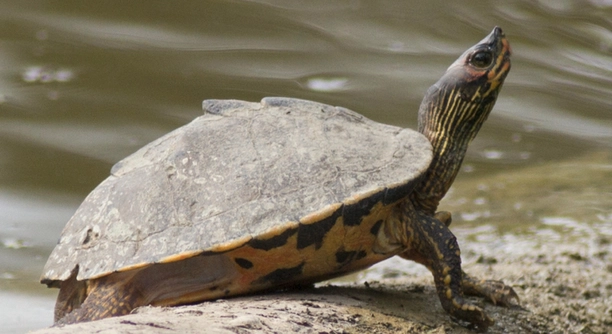
Indian Roofed Tortoises are known for their active burrowing behavior, and it can be puzzling to understand why they spend so much time digging. This natural instinct is tied to their needs for comfort and survival.
Burrowing is a natural behavior for Indian Roofed Tortoises. They dig to create a safe, cool environment and to mimic the conditions they would experience in the wild. This behavior is driven by instinct, comfort, and environmental needs.
Understanding why your tortoise burrows will help you provide the right conditions to support its health and well-being. Keep reading to learn more.
Why Do Tortoises Need to Burrow?
Indian Roofed Tortoises have strong instincts that guide their need to dig. In the wild, they burrow to find a cooler environment during the heat of the day. This instinct helps them regulate their body temperature and find shelter from predators. The burrow also offers a safe space where they can sleep and rest without being disturbed. This behavior is deeply rooted in their natural habitat, where burrowing helps them adapt to changes in the environment. Your tortoise may dig for similar reasons, as it seeks a place that mimics its wild conditions.
Burrowing is crucial for your tortoise’s well-being. It creates a secure space and keeps them cool.
To support this behavior, ensure your tortoise has a proper environment with plenty of space and substrate to dig into. The ideal habitat should include a soft, damp substrate to mimic the natural burrowing conditions. Regularly check that the area is clean and free of sharp objects. By providing a safe place to dig, you will help your tortoise feel comfortable and secure. Remember that this is a healthy, natural behavior that should not be discouraged, as it is essential for their physical and mental health.
When is Burrowing a Concern?
While burrowing is natural, it can sometimes signal problems. If your tortoise is burrowing excessively, it might be an indication of an issue.
If your tortoise starts digging more than usual, it could be due to stress, improper habitat conditions, or even a health issue. Overheating is a common cause for this behavior, especially if the temperature in their enclosure is too high. Stress from sudden changes in their environment can also lead to increased digging. When a tortoise feels threatened or unsure, it may try to dig itself into a safer space. Additionally, if your tortoise is not eating or seems lethargic, this could be a sign of a bigger problem, and you should consult a vet to rule out any underlying health issues. Keep a close eye on your tortoise and make sure its living space meets all its needs.
How to Create a Comfortable Habitat for Your Tortoise
A comfortable environment is key to keeping your Indian Roofed Tortoise happy. Provide a spacious enclosure with proper lighting and temperature control. Ensure the substrate is soft and deep enough for burrowing.
Set up a warm basking area with a heat lamp and a cooler shaded area to allow your tortoise to regulate its temperature. Make sure the enclosure is large enough for your tortoise to move around freely. A deep, moist substrate will encourage natural digging behavior and help keep them cool. It’s also important to offer hiding spots or shelters that give your tortoise a sense of security. Regularly clean the enclosure to maintain a healthy environment and remove any waste that may affect their well-being.
A proper humidity level is also essential for your tortoise’s health. This can be achieved by misting the substrate regularly or adding a humidifier if needed. Humidity helps with digestion and skin health, while also mimicking the conditions found in the wild. Pay attention to the temperature and humidity levels daily to ensure they stay within the optimal range for your tortoise.
Signs Your Tortoise Is Digging for the Wrong Reasons
If your tortoise is constantly digging but doesn’t seem to be settling down, it could be a sign of an issue. Overheating, stress, or boredom may cause your tortoise to dig excessively.
Check the temperature of the enclosure. If it’s too hot, your tortoise might dig in search of a cooler space. This is a natural instinct, but it can indicate that the heat levels are not right for your tortoise. Also, if the enclosure lacks variety in enrichment, your tortoise may dig out of frustration. They need stimulation, such as climbing opportunities, hides, or objects to explore. If your tortoise is digging but not stopping, it may also be a sign of underlying health problems, like a shell issue or digestive discomfort.
If your tortoise seems stressed or anxious, provide more privacy or a quiet environment. Stress can come from loud noises, sudden changes in the living space, or a lack of a proper hiding area. Stress-related digging should be addressed by ensuring your tortoise has a secure and comfortable space to feel safe.
Is Your Tortoise Burrowing Too Much?
If your tortoise is burrowing excessively, it’s important to assess the cause. Too much digging could be a sign of discomfort or stress.
Check for any changes in their environment, like temperature fluctuations or new animals in the area. Ensure the enclosure is not too crowded and that your tortoise has enough space to move around.
Temperature and Humidity Control
Proper temperature and humidity levels are essential for a tortoise’s comfort. A basking spot should be around 90°F, while the cooler side should be about 75°F.
Humidity is just as important, with an ideal range of 50–70%. A dry habitat can lead to respiratory issues and discomfort. Regularly monitor the humidity levels and adjust as needed to maintain a healthy environment for your tortoise.
FAQ
Why does my Indian Roofed Tortoise burrow so much?
Burrowing is a natural behavior for tortoises. In the wild, they dig to escape the heat, seek shelter, and find a safe resting spot. Your tortoise may be digging for the same reasons, seeking cooler ground or hiding from perceived threats. It’s also a way for them to create a comfortable space to sleep.
Should I worry if my tortoise is burrowing too much?
Excessive burrowing could be a sign that something is off in their environment. If your tortoise is constantly digging and doesn’t seem to settle down, it may indicate stress, discomfort, or even health issues. Check the temperature and humidity levels, as improper conditions could be causing them to dig excessively. If everything seems normal, but the behavior persists, consider consulting a vet to rule out any health concerns.
How deep should the substrate be for my tortoise to burrow?
The substrate should be deep enough for your tortoise to dig and create a burrow. Aim for at least 4–6 inches of substrate, although a deeper layer may be better for larger tortoises. Materials like coconut coir or soil-based mixtures work best, as they are soft and allow for easy digging.
What type of substrate is best for burrowing?
For burrowing, choose a substrate that is soft, absorbent, and easy to dig through. Coconut coir, cypress mulch, and soil mixed with sand are good options. Avoid using materials like sand alone, as it can dry out quickly and become uncomfortable. The substrate should also maintain humidity to keep the environment comfortable for your tortoise.
Can I use sand in my tortoise’s habitat for burrowing?
While sand can be used in small quantities, it is not ideal as the primary substrate. Sand can dry out quickly and does not hold moisture, making it difficult to maintain proper humidity. It can also cause respiratory issues if inhaled in large amounts. If you do use sand, it should be mixed with other substrates like coconut coir or soil to help retain moisture.
How can I tell if my tortoise is stressed?
Stress in tortoises can show up in different ways. Common signs include excessive digging, lack of appetite, lethargy, hiding more than usual, or showing signs of aggression. It’s important to assess their environment, making sure there are no sudden changes, like new animals or loud noises, which could be triggering stress.
How do I reduce stress in my tortoise?
To reduce stress, create a quiet, safe environment for your tortoise. Ensure their habitat is spacious, with a proper hiding spot and ample access to food and water. Avoid handling them too frequently, as this can be stressful. Additionally, maintain consistent temperature and humidity levels, as fluctuations can lead to anxiety.
Is it normal for my tortoise to sleep in its burrow?
Yes, it is completely normal for your tortoise to sleep in its burrow. In the wild, tortoises often retreat to their burrows to rest, sleep, or escape the heat. Providing a burrow-like environment in captivity allows your tortoise to feel safe and comfortable.
What temperature should I keep my tortoise’s enclosure?
The temperature in your tortoise’s enclosure should range from 75°F to 85°F on the cooler side and about 90°F in the basking area. The difference between the cool and warm areas allows your tortoise to regulate its body temperature as needed. At night, the temperature can drop slightly but should not fall below 70°F.
How often should I clean my tortoise’s habitat?
You should clean your tortoise’s habitat regularly, at least once a week, to remove waste and soiled substrate. A more thorough cleaning, including changing the substrate, should be done every 2-3 months, depending on how quickly it becomes dirty. Keeping the habitat clean helps prevent the spread of bacteria and parasites.
Can burrowing cause health problems for my tortoise?
In general, burrowing itself is not harmful, but if the environment is not right, it could cause health issues. For example, if the substrate is too wet or dirty, it can lead to respiratory infections, skin problems, or shell rot. Make sure the habitat is clean, dry, and comfortable for your tortoise.
How can I make my tortoise’s enclosure more stimulating?
Providing enrichment in your tortoise’s enclosure is essential for their well-being. Add rocks, logs, or small plants for your tortoise to explore. You can also create hiding spots to give them a sense of security. Changing up their habitat occasionally or adding new elements can keep them engaged and active.
How can I prevent my tortoise from burrowing in the wrong places?
If your tortoise is burrowing in spots where it shouldn’t, ensure the substrate is deep enough for them to burrow in their designated areas. You can also place large rocks or barriers in certain spots to discourage burrowing. Make sure there is enough space in the main area for them to dig freely.
Do Indian Roofed Tortoises need a special diet to stay healthy?
Yes, Indian Roofed Tortoises need a balanced diet rich in fiber. Their diet should include leafy greens, vegetables, and occasional fruits. Provide a calcium supplement to support their shell and bone health. Avoid feeding them high-protein foods, as this can lead to health issues. Always provide fresh, clean water for hydration.
Can I use a heat lamp for my tortoise?
Yes, a heat lamp is essential for your tortoise’s basking area. The heat lamp should create a warm spot of around 90°F for your tortoise to bask in. This will help regulate their body temperature and promote digestion. Make sure to have a shaded area in the enclosure as well, so they can move to a cooler spot if needed.
Final Thoughts
Burrowing is a natural and instinctive behavior for Indian Roofed Tortoises. In the wild, tortoises dig to create a safe, cool place to rest or escape from potential threats. When you see your tortoise digging in its enclosure, it’s likely trying to replicate this behavior. While this is perfectly normal, it’s important to ensure that the conditions in its habitat are right. A proper environment can make all the difference in how your tortoise feels and behaves. Pay close attention to temperature, humidity, and the quality of the substrate, as these factors can influence how much your tortoise burrows.
It’s also important to keep an eye out for signs that might suggest your tortoise’s burrowing is more than just a natural instinct. Excessive digging, lack of appetite, or strange behavior could signal that something is wrong. This could be caused by stress, discomfort, or even health issues. If you’re ever unsure, checking with a veterinarian who specializes in reptiles can help ensure that everything is okay. While tortoises are hardy animals, they still need a healthy, balanced environment to thrive, and understanding their natural instincts is key to their well-being.
Finally, don’t be afraid to adjust your tortoise’s enclosure if you notice behaviors that don’t seem typical. Small changes, like adjusting the substrate depth, humidity, or adding new hiding spots, can make a big difference in making your tortoise feel more comfortable. By understanding why your tortoise burrows and providing the right conditions, you can ensure that it leads a happy and healthy life. Just remember, as long as your tortoise has the right space and environment, burrowing is usually nothing to worry about and is a sign of a natural, content creature.

Hello,
If you enjoy the content that we create, please consider saying a "Thank You!" by leaving a tip.
Every little bit helps us continue crafting quality advice that supports the health, happiness, and well-being of pets around the world, for pets of all shapes, sizes, and species.
We really appreciate the kindness and support that you show us!