
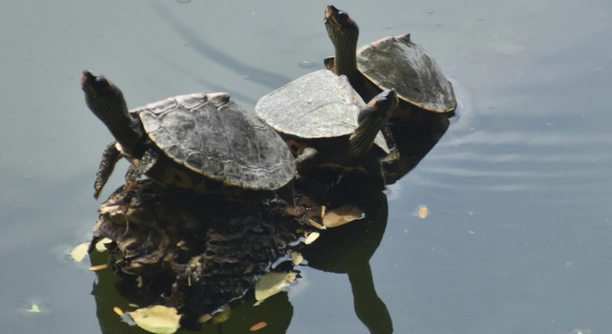
Is your Indian roofed tortoise showing signs of nesting behavior, such as increased digging or restlessness? Recognizing when your tortoise is ready to lay eggs is essential for ensuring a safe and comfortable environment during this important stage.
A gravid Indian roofed tortoise will exhibit behavioral changes such as frequent digging, restlessness, and decreased appetite. She may also seek out warm, soft soil to create a nesting site. Observing these signs can help you provide proper care and support.
Understanding these behaviors will allow you to prepare the ideal nesting area and ensure a stress-free egg-laying process for your tortoise.
Signs Your Indian Roofed Tortoise Is Ready to Lay Eggs
A gravid Indian roofed tortoise will display noticeable behavioral changes. She may become restless, pacing around her enclosure and attempting to dig. Digging is a strong indication that she is searching for a suitable nesting site. You may also notice a decrease in appetite as her body focuses on egg development. Additionally, she may become more defensive or territorial, reacting differently to handling or disturbances. Providing a quiet and stress-free environment can help her feel secure during this time. Keep an eye on these changes to ensure you recognize when she is preparing to lay eggs.
It is important to observe her closely and ensure she has access to a proper nesting area. Without a suitable spot, she may become stressed or experience egg retention, which can be harmful. Early detection of nesting behaviors allows you to take the necessary steps to support her.
Creating the right nesting environment involves using soft, slightly moist soil or sand in a secluded area of her enclosure. The nesting substrate should be deep enough for her to dig comfortably. If she is kept indoors, consider using a separate nesting box filled with an appropriate substrate. Maintaining a warm and humid environment can also encourage her to lay eggs. By providing the ideal conditions, you help ensure a successful and stress-free process.
How to Set Up a Nesting Area
A proper nesting area is essential for your tortoise to lay her eggs safely. Without one, she may struggle to find a suitable place, increasing the risk of complications. Ensuring the right setup will make the process easier and safer for her.
Choose a nesting area with loose, moist soil or a sand mixture at least six inches deep. This allows her to dig a secure nest without difficulty. The enclosure should be kept warm, ideally between 85-90°F, with proper humidity levels. If your tortoise is housed indoors, a nesting box with a heating lamp can help maintain the right conditions. Providing privacy is also important, as a quiet and undisturbed environment encourages her to lay eggs naturally.
Monitor her closely and make adjustments if needed. If she appears hesitant or struggles to lay eggs, consider consulting a reptile veterinarian. Proper nesting conditions will not only keep her comfortable but also reduce the risk of egg retention, ensuring a healthy and safe process.
Common Challenges During Egg-Laying
Egg retention can occur if the nesting environment is unsuitable. A tortoise that struggles to lay eggs may seem restless, strain without success, or lose appetite. If you notice these signs, immediate veterinary attention is necessary to prevent health complications.
Stress can prevent a tortoise from laying eggs. A noisy or frequently disturbed environment may make her hesitant to dig and deposit her eggs. Ensure her enclosure is quiet and secluded. Inadequate humidity can also cause issues, as overly dry soil makes digging difficult. Providing the right conditions will help her feel comfortable enough to lay.
Calcium deficiency can weaken eggshells and make egg-laying more difficult. A well-balanced diet with calcium supplements supports healthy egg development. Without enough calcium, she may struggle to pass her eggs, increasing the risk of complications. Regularly monitoring her diet and providing proper nutrition can help prevent these problems.
Caring for the Eggs After Laying
Freshly laid eggs should be handled with care. Moving them too much can disrupt embryo development. If you plan to incubate them, keep them in the same position they were laid. Marking the top with a pencil can help you maintain their orientation. Temperature and humidity levels must be carefully controlled.
An incubator set between 82-86°F with around 80% humidity provides ideal conditions for hatching. Lower temperatures result in longer incubation periods, while higher temperatures speed up development. Eggs should be checked regularly for mold or damage. If any appear discolored or collapse, they may not be viable. Maintaining stable conditions will give the best chance of success.
Monitoring the Incubation Process
Eggs should be checked daily for any signs of mold, cracks, or dehydration. A stable incubation environment is crucial for successful development. Sudden temperature or humidity changes can harm the embryos, so adjustments should be made gradually to avoid complications.
Condensation inside the incubator may indicate excessive humidity, which can lead to fungal growth. If the eggs appear dry or dented, slightly increasing humidity can help. Keeping a close watch on these factors ensures a higher chance of hatching success.
Hatching and Hatchling Care
Hatchlings will start to emerge by cracking the eggshell with their egg tooth. This process can take several hours or even days. It is important not to intervene unless absolutely necessary. Once fully hatched, they should be placed in a warm, humid enclosure with shallow water and soft substrate to prevent dehydration.
Final Considerations
Proper care during egg-laying and incubation leads to healthy hatchlings. Monitoring conditions, ensuring a stress-free environment, and providing a well-balanced diet support both the mother and her eggs.
FAQ
How long does it take for an Indian roofed tortoise to lay eggs?
Once a female tortoise starts digging a nest, she may take several hours to lay her eggs. The entire process, including covering the nest, can take anywhere from two to five hours. If she appears to be struggling or takes longer, she may need assistance or veterinary care.
How many eggs does an Indian roofed tortoise lay at a time?
A female Indian roofed tortoise typically lays between two to six eggs per clutch. The number of eggs can vary depending on factors such as age, health, and environmental conditions. In some cases, she may lay multiple clutches throughout the breeding season, usually a few weeks apart.
How can I tell if my tortoise is having difficulty laying eggs?
Signs of difficulty include prolonged digging without laying, restlessness, excessive straining, and loss of appetite. If she appears lethargic or shows signs of distress, she may be experiencing egg retention. Immediate veterinary care is essential to prevent complications such as egg binding, which can be life-threatening.
Should I move the eggs after they are laid?
If the eggs are left in the enclosure, they could be at risk from environmental changes or accidental damage. If you plan to incubate them, they should be carefully transferred while keeping them in the same position. Marking the top of the eggs with a pencil helps maintain proper orientation.
How do I set up an incubator for tortoise eggs?
An incubator should be kept at a temperature between 82-86°F with a humidity level around 80%. A shallow container with a moist substrate, such as vermiculite or perlite, helps maintain humidity. Eggs should be monitored daily to ensure conditions remain stable throughout the incubation period.
How long does it take for the eggs to hatch?
The incubation period for Indian roofed tortoise eggs typically ranges from 60 to 90 days. The exact duration depends on temperature and humidity levels. Higher temperatures result in faster development, while cooler temperatures slow down the process. Consistent conditions help ensure healthy hatchlings.
What should I do if an egg develops mold?
Mold growth can indicate excess humidity or a non-viable egg. If only one egg is affected, it should be separated from the rest to prevent contamination. Slightly reducing humidity may help prevent further issues. If mold continues to spread, the affected egg should be removed.
Can I help a hatchling out of its egg?
Hatchlings take time to emerge, often resting between attempts to break through the shell. Intervening too soon can cause harm. If a hatchling has been struggling for over 48 hours without progress, you may need to consult a reptile specialist for guidance.
How should I care for newly hatched tortoises?
Hatchlings should be placed in a warm, humid environment with a shallow water dish. A soft, moist substrate prevents dehydration and helps them adjust. Their diet should include finely chopped greens and calcium supplements to support healthy growth. Proper lighting and temperature are also crucial for their development.
When can hatchlings be introduced to an outdoor enclosure?
Hatchlings should be kept indoors in a controlled environment for the first few months. Once they are stronger and more resilient, they can gradually be introduced to an outdoor enclosure with proper shelter, security, and temperature regulation. Supervised exposure to natural sunlight benefits their growth and shell development.
Final Thoughts
Caring for an Indian roofed tortoise during the egg-laying process requires attention to detail and a proper environment. Recognizing signs that she is ready to lay eggs, ensuring she has a safe nesting area, and monitoring her behavior can prevent complications. Providing the right temperature, humidity, and substrate allows her to lay her eggs comfortably. If she shows signs of distress or struggles to lay her eggs, seeking veterinary assistance is necessary. Understanding her needs during this time will help ensure a successful outcome for both the mother and the eggs.
Once the eggs are laid, handling them carefully and maintaining the correct incubation conditions is essential. Temperature and humidity play a significant role in the development of the embryos. Regular monitoring can help detect any potential issues, such as mold or dehydration. If the eggs hatch successfully, hatchlings require proper care, including a balanced diet, hydration, and a safe enclosure. Gradually introducing them to natural sunlight supports their health and growth.
Providing long-term care for hatchlings ensures they grow into strong, healthy tortoises. Proper nutrition, adequate UVB exposure, and a well-maintained habitat are necessary for their well-being. Whether they are kept indoors or gradually transitioned to an outdoor enclosure, maintaining suitable conditions will promote their development. By taking the right steps throughout the breeding and hatching process, you can support both the mother tortoise and her offspring, giving them the best chance at a healthy life.

Hello,
If you enjoy the content that we create, please consider saying a "Thank You!" by leaving a tip.
Every little bit helps us continue crafting quality advice that supports the health, happiness, and well-being of pets around the world, for pets of all shapes, sizes, and species.
We really appreciate the kindness and support that you show us!