
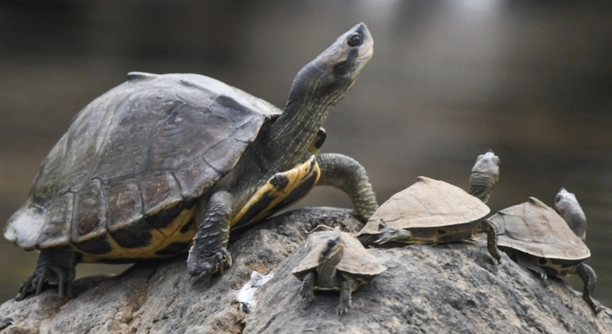
Is your Indian roofed tortoise tank constantly covered in green algae, making it difficult to keep the water clean and clear? Algae buildup can affect the appearance of the tank and even impact your tortoise’s health over time.
The best way to prevent algae growth in an Indian roofed tortoise tank is by maintaining proper filtration, controlling light exposure, and regularly cleaning the tank. These steps help keep the water quality high and minimize algae buildup.
Keeping the right balance in your tortoise’s tank will ensure a cleaner environment and healthier conditions. Simple changes in maintenance habits can make a big difference in reducing unwanted algae growth.
Control Light Exposure
Too much light encourages algae to grow quickly in your tortoise tank. If the tank gets direct sunlight or has strong artificial lighting, algae can spread across the glass and decorations. Limiting light exposure can help keep the water clear. Place the tank in a spot that doesn’t get too much sunlight. If you use artificial lights, make sure they are only on for about 8 to 10 hours a day. Using a timer for the lights can make this easier. Reducing excess light will slow algae growth and make cleaning the tank less of a hassle.
A well-lit tank is important for your tortoise’s health, but too much light can create problems. Finding the right balance will keep the tank looking fresh and clean.
Choosing the right location for the tank and adjusting artificial lighting will create a better environment for your tortoise. These small changes can prevent algae from taking over.
Maintain Proper Filtration
A good filtration system helps remove waste and prevents algae from spreading in the tank. Without proper filtration, leftover food and waste build up, creating the perfect conditions for algae to grow.
A strong filter keeps the water moving and removes particles that algae feed on. Canister filters or sponge filters are great choices for tortoise tanks because they provide both mechanical and biological filtration. Cleaning the filter regularly ensures it works effectively. If the filter gets clogged, it won’t clean the water properly. Replace filter media as needed, following the manufacturer’s instructions.
Water changes also help keep the tank clean. Replacing about 25% of the water every week removes excess nutrients that encourage algae growth. Using dechlorinated water and making sure the new water is at the right temperature helps maintain a stable environment for your tortoise.
Clean the Tank Regularly
Removing algae before it spreads keeps the tank looking better and helps maintain water quality. Scrub the glass with an algae scraper or sponge at least once a week. Cleaning decorations and hiding spots prevents algae from growing on surfaces inside the tank.
Vacuuming the substrate removes trapped debris that can fuel algae growth. If the tank has rocks or logs, scrub them with a soft brush to remove buildup. Avoid using soap or chemicals, as they can harm your tortoise. A simple rinse with warm water works best. Keeping the tank tidy makes maintenance easier in the long run.
Changing water regularly also prevents algae from spreading. Replace small amounts of water each week rather than doing large changes at once. This keeps the water fresh without shocking your tortoise. A consistent cleaning routine will make algae less of a problem over time.
Control Feeding Amounts
Uneaten food in the tank breaks down and releases nutrients that help algae grow. Overfeeding increases waste, leading to cloudy water and unwanted algae buildup. Feeding only what your tortoise can eat in a short time prevents excess food from sitting in the tank.
Remove uneaten food after 15 to 20 minutes to keep the water clean. Offer a mix of leafy greens, vegetables, and pellets in small portions. Spacing out meals throughout the week rather than feeding large amounts at once helps reduce waste. Consistent feeding habits make tank maintenance much easier.
Using a feeding dish keeps food from scattering in the water. A shallow dish helps contain uneaten pieces, making them easier to remove. This small change prevents food from sinking into the substrate and turning into algae-promoting waste.
Add Live Plants
Live plants absorb excess nutrients that algae need to grow. Floating plants, like duckweed or water lettuce, can block some light and slow algae growth. Submerged plants, such as anacharis or hornwort, help keep the water balanced and improve overall tank health.
Plants also provide hiding spots for your tortoise while maintaining a more natural environment. Regularly trimming and removing dead leaves prevents decaying plant matter from affecting water quality. Choosing hardy plants that can tolerate the tank conditions will make maintenance easier.
Use Algae-Eating Tank Mates
Certain tank mates, like snails or algae-eating fish, help control algae naturally. Apple snails and nerite snails are good choices because they eat algae from glass and decorations without harming your tortoise. Small algae-eating fish, such as Siamese algae eaters, can also help keep the tank cleaner.
Avoid Overcrowding
Too many tank inhabitants produce more waste, which leads to algae growth. Keeping the tank population balanced reduces waste buildup and makes maintenance easier.
FAQ
How can I prevent algae from growing in my tortoise tank without chemicals?
To prevent algae without using chemicals, focus on controlling the tank’s light exposure and maintaining a proper filtration system. Keeping the tank in a shaded area or using a timer for lights will reduce excessive light that algae thrive on. Regular cleaning and water changes also play a key role in preventing algae. Using live plants can further help by absorbing excess nutrients in the water.
What type of filter is best for my tortoise tank?
A canister filter or sponge filter is ideal for tortoise tanks. Both types offer mechanical and biological filtration, which ensures that waste and debris are removed efficiently. A canister filter is more powerful and can handle larger tanks, while a sponge filter is quieter and works well in smaller setups. Be sure to clean the filter regularly for optimal performance.
How often should I clean my tortoise tank to prevent algae growth?
Cleaning your tortoise tank weekly is recommended to prevent algae from taking over. Regularly scrub the glass with an algae scraper or sponge to remove any algae buildup. Vacuum the substrate and remove uneaten food to keep water quality high. Changing about 25% of the water each week also helps reduce algae growth.
Can too many plants cause algae?
No, live plants generally help prevent algae by absorbing excess nutrients. However, decaying plant matter can contribute to algae growth. It’s essential to remove dead or rotting plants regularly. Keeping the plants healthy by trimming them and ensuring proper light will help maintain a balance and reduce algae buildup.
How do I clean my tortoise’s tank without harming it?
To clean your tortoise’s tank safely, use warm water and a soft brush to scrub surfaces. Avoid using soap, bleach, or any harsh chemicals, as they can harm your tortoise. When cleaning the tank, remove your tortoise and place it in a safe area. For the substrate, gently rinse it in warm water to remove debris.
Are algae-eating snails safe for my tortoise?
Yes, algae-eating snails like Nerite or Apple snails are safe for tortoises. They help clean the tank by consuming algae, and they don’t pose any harm to your tortoise. However, it’s essential to monitor the tank to make sure the snails don’t overcrowd it. Additionally, be sure to remove any leftover snail shells as they can affect water quality.
How can I prevent algae in a tank with no filter?
If your tortoise tank doesn’t have a filter, you’ll need to be more proactive in cleaning and managing water quality. Perform regular water changes (about 25% weekly) and scrub surfaces to remove algae. Limiting the amount of food and debris in the tank is crucial, as these excess nutrients feed algae. You can also use live plants to help absorb nutrients and reduce algae growth.
What should I do if algae is still growing despite my efforts?
If algae continues to grow despite your best efforts, try to identify and address any issues in your tank’s environment. Check the lighting to ensure it’s not too strong or on for too long. Also, examine the filter to make sure it’s working efficiently. Excess nutrients could be the root cause, so reduce feeding and clean the tank more frequently. In severe cases, you might want to remove algae manually using an algae scraper.
Can I use chemical treatments to get rid of algae?
While chemical treatments can be effective in controlling algae, they should be used as a last resort. Some chemicals can harm your tortoise or disrupt the tank’s ecosystem. It’s better to first try natural methods like reducing light, improving filtration, and cleaning the tank regularly. If you must use chemicals, ensure they are safe for your tortoise and follow the instructions carefully.
How do I know if I’m overfeeding my tortoise?
If there’s uneaten food left in the tank after feeding, you may be overfeeding your tortoise. Excess food breaks down into waste, which feeds algae. Feed your tortoise only what it can eat in a short time. Removing uneaten food after 15 to 20 minutes will help keep the tank cleaner and prevent algae growth.
Should I keep the tank in direct sunlight?
Direct sunlight can cause excessive algae growth in your tortoise’s tank, as it encourages photosynthesis. It’s better to keep the tank in an area with indirect sunlight. If your tank gets too much sunlight, use curtains or blinds to control the amount of light hitting the tank. You can also adjust the tank’s lighting to avoid overexposure.
Are algae-eating fish good for tortoise tanks?
Algae-eating fish, such as Siamese algae eaters or otocinclus, can help reduce algae growth in your tortoise tank. However, not all fish are compatible with tortoises. Tortoises may try to eat smaller fish, so choose fish that can tolerate being around your tortoise. Ensure the fish can thrive in similar water conditions and monitor the tank to maintain a balance.
How can I prevent algae from growing on tank decorations?
To prevent algae from growing on tank decorations, remove them during routine cleanings and scrub them with a soft brush. If you have live plants, they can help absorb excess nutrients and prevent algae from attaching to the decor. If algae does appear, clean the decorations promptly to prevent it from spreading.
What role does water temperature play in algae growth?
Water temperature can influence algae growth. Warmer water temperatures speed up algae growth, while cooler temperatures can slow it down. Aim to maintain your tortoise’s tank at an appropriate temperature based on its species needs, usually between 75°F to 85°F (24°C to 29°C). Keeping the water in this range will help manage algae growth.
Do I need to remove my tortoise when cleaning the tank?
Yes, it’s safest to remove your tortoise when cleaning the tank. This keeps your tortoise out of the way while you clean and prevents it from ingesting any harmful chemicals or debris. Place your tortoise in a secure area while you scrub and change the water, then return it to the tank once it’s cleaned.
Final Thoughts
Preventing algae growth in your Indian roofed tortoise tank can seem like a challenge, but with a few simple steps, it becomes much more manageable. Controlling light exposure, maintaining good water filtration, and regular tank cleaning are key practices to reduce algae buildup. By focusing on these areas, you’ll help create a healthier, cleaner environment for your tortoise. These changes don’t require a lot of extra effort, but they can make a big difference in the overall quality of your tank.
In addition to the regular cleaning and light control, adding live plants and considering algae-eating tank mates can help keep algae growth under control naturally. Live plants not only absorb excess nutrients, but they also create a more natural and enriching environment for your tortoise. Algae-eating snails and fish can help maintain a balance in the tank by consuming algae before it becomes an issue. Just be mindful of their compatibility with your tortoise to avoid any stress or harm.
Lastly, keeping your tortoise’s diet in check is also important for preventing algae growth. Overfeeding can lead to excess food that breaks down into waste, fueling algae. By providing the right amount of food, cleaning up uneaten portions, and sticking to a regular feeding schedule, you’ll reduce the risk of nutrient overload in the tank. With these simple tips, you can maintain a clean and healthy tank for your Indian roofed tortoise, ensuring its long-term well-being and reducing the need for frequent algae control.

Hello,
If you enjoy the content that we create, please consider saying a "Thank You!" by leaving a tip.
Every little bit helps us continue crafting quality advice that supports the health, happiness, and well-being of pets around the world, for pets of all shapes, sizes, and species.
We really appreciate the kindness and support that you show us!