
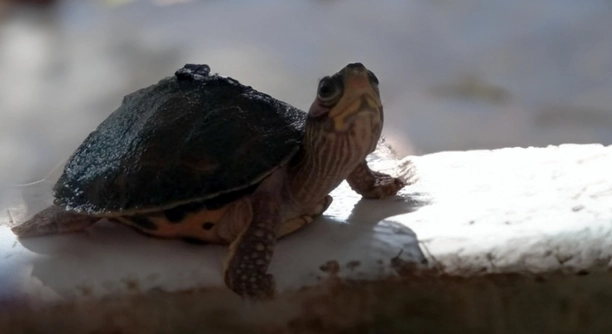
Is your Indian roofed tortoise constantly moving around its tank, making you wonder if something is wrong? Understanding its behavior is important to ensure it stays happy and healthy in its environment.
The most common reason your Indian roofed tortoise is always pacing is stress caused by an inadequate tank setup. Factors like improper temperature, lack of hiding spots, or an undersized enclosure can make your tortoise feel uncomfortable and restless.
A restless tortoise may be trying to communicate a problem with its habitat. Learning about its needs can help you create a comfortable space where it feels safe and secure.
Common Reasons for Pacing
A tortoise that constantly moves around its tank may be experiencing stress due to improper conditions. If the enclosure is too small, it may not have enough space to explore, making it feel trapped. Temperature and humidity levels also play a crucial role. If these are too high or too low, your tortoise may feel uncomfortable and start pacing in search of a better spot. Lack of hiding spaces or an unvaried environment can make it feel exposed, leading to restlessness. Identifying and fixing these issues can help your tortoise feel more at ease.
Providing a proper setup is essential for a tortoise’s well-being. A spacious tank with a temperature gradient allows it to regulate its body temperature comfortably. Hiding spots and a variety of textures can make the space more engaging, reducing stress. Ensuring these elements are in place can help your tortoise settle down.
Some tortoises pace due to natural behaviors. They may be looking for food, reacting to reflections in the glass, or seeking interaction. Observing its routine and making adjustments can help address the issue. Making small changes to the environment can have a positive impact on your tortoise’s behavior.
How to Help Your Tortoise Settle
Start by checking the tank size. A larger space allows your tortoise to move freely and feel less confined. If the enclosure is too small, upgrading it can make a big difference in its behavior.
Temperature and humidity should be within the recommended range. A basking spot of around 90°F and a cooler area of 75°F help maintain comfort. Humidity levels should be adjusted based on your tortoise’s needs, as improper levels can cause discomfort. Adding proper substrate and enrichment can create a more natural environment.
Eliminating reflections can also reduce pacing. If your tortoise sees its reflection, it may mistake it for another tortoise and react by pacing. Covering the sides of the tank with a background or adjusting the lighting can help. Providing a balanced diet is equally important, as hunger can sometimes cause increased activity. Regular feeding and a varied diet keep your tortoise satisfied.
With the right changes, your tortoise can feel more comfortable and display natural, relaxed behaviors. Paying attention to its needs ensures a healthier and happier life.
Signs of Stress in Your Tortoise
A restless tortoise may show other signs of stress, such as excessive digging, hiding for long periods, or refusing food. Some may even try to climb the walls of their enclosure. Recognizing these behaviors early can help prevent long-term health issues.
Changes in appetite are a common indicator of stress. If your tortoise suddenly eats less or ignores food, it may feel uncomfortable in its environment. Similarly, if it becomes unusually aggressive or overly shy, it could be reacting to stressors in its surroundings. A lack of energy, frequent shell retraction, or excessive basking may also suggest something is wrong. Checking for any environmental changes can help identify the cause.
Tortoises rely on a stable environment to feel secure. Loud noises, excessive handling, or sudden movements near their enclosure can cause distress. Even small details, like improper lighting or a lack of enrichment, can make a difference in their comfort level. Paying attention to these factors can help keep them calm.
Adjusting the Tank Setup
A well-structured tank can make a big difference in your tortoise’s behavior. The enclosure should be large enough to allow for natural movement, with a mix of open space and hiding spots. Adding natural elements like rocks, logs, and plants can create a more comfortable environment.
Lighting and temperature control are crucial. Using a proper UVB light helps support shell health and digestion, while a consistent heat source ensures comfort. A temperature gradient allows your tortoise to regulate its body temperature naturally. Keeping the enclosure clean and providing fresh water daily also help maintain a stress-free space.
Tortoises thrive in predictable environments. If pacing continues after adjusting the setup, consider any recent changes that may be causing stress. Loud sounds, new pets, or even a different feeding schedule can affect their behavior. Making gradual adjustments and observing their reactions can help create the best possible environment.
The Role of Diet in Tortoise Behavior
An unbalanced diet can lead to restlessness. If a tortoise is not getting enough food or lacks key nutrients, it may pace in search of something more satisfying. Offering a varied diet with leafy greens, vegetables, and calcium-rich foods can help maintain steady energy levels.
Overfeeding can also cause issues. A tortoise that eats too much may become overly active due to excess energy. Feeding the right portions at consistent times helps regulate behavior. Providing occasional treats like fruits in moderation can keep meals interesting while preventing unhealthy habits.
Environmental Enrichment
A stimulating environment can help reduce pacing. Adding climbing structures, tunnels, or different textures encourages natural behaviors and keeps the tortoise engaged. Changing the layout occasionally can also provide mental stimulation without overwhelming it.
When to Consult a Vet
If pacing continues despite adjustments, a health issue could be the cause. Shell problems, respiratory infections, or parasites may lead to discomfort and increased activity. A vet check-up can rule out medical concerns and ensure your tortoise stays healthy.
FAQ
Why does my tortoise pace even after I adjust its tank?
Some tortoises take time to adjust to changes. If the enclosure was recently modified, it may be exploring or reacting to the new setup. Give it a few days to settle. If pacing continues, check for other stressors like noise, handling, or temperature fluctuations.
Can pacing be a sign of illness?
Yes, though it is less common. If your tortoise also refuses food, has trouble breathing, or shows signs of lethargy, a health issue could be the cause. Parasites, infections, or metabolic problems can lead to discomfort and increased movement. A vet visit can help rule out medical concerns.
Does my tortoise need more space?
A small enclosure can make a tortoise feel trapped, leading to restless behavior. An adult Indian roofed tortoise needs at least a 40-gallon tank, but bigger is always better. Providing more room to move, hide, and explore can help reduce pacing.
Could my tortoise be trying to escape?
If a tortoise constantly scratches at the glass or attempts to climb, it may feel insecure in its environment. Reflections in the glass can also cause it to react as if another tortoise is nearby. Covering the tank sides or using a larger enclosure can help.
How does lighting affect my tortoise’s behavior?
Inadequate lighting can disrupt a tortoise’s day-night cycle, making it restless. A proper UVB light supports its health and helps regulate activity levels. Keeping the lights on for 10–12 hours a day and maintaining a natural rhythm can prevent pacing.
Can boredom cause a tortoise to pace?
Yes, a lack of mental stimulation can lead to restless behavior. Tortoises need a varied environment with hiding spots, climbing structures, and natural textures. Rearranging the tank occasionally and adding safe objects to explore can keep it engaged and reduce pacing.
Should I let my tortoise roam outside the tank?
Supervised exploration outside the enclosure can be beneficial, but safety is important. Ensure the space is free from hazards like wires, toxic plants, or small objects it might ingest. Letting it walk around for short periods in a secure area can provide enrichment.
How do I know if my tortoise is happy?
A relaxed tortoise will explore its enclosure calmly, eat regularly, and bask without signs of stress. It should have steady energy levels without excessive pacing or hiding. If it interacts with its environment and responds to food, it is likely content.
Does temperature affect pacing?
Yes, if the tank is too hot or too cold, a tortoise may move around trying to find a comfortable spot. The basking area should be around 90°F, while the cooler side should stay around 75°F. Maintaining the right temperature can help prevent restlessness.
Is it normal for a tortoise to pace before eating?
Some tortoises become more active when they anticipate food. If pacing happens around feeding times and stops after eating, it is likely a normal behavior. Ensuring a consistent feeding schedule can help regulate activity levels.
What if my tortoise paces at night?
Tortoises are diurnal, meaning they are active during the day and rest at night. If pacing happens at night, check for light leaks or disturbances in the room. A dark, quiet environment can help encourage proper sleep patterns.
Can stress from handling cause pacing?
Yes, excessive handling can make a tortoise feel anxious. While some get used to gentle interaction, too much handling can be overwhelming. If pacing follows handling sessions, try reducing them and allowing more time for your tortoise to feel secure.
What foods can help keep my tortoise calm?
A balanced diet with leafy greens, vegetables, and calcium-rich foods supports overall health, which can improve behavior. Avoid high-sugar fruits and processed foods, as they can cause digestive discomfort. Proper nutrition helps maintain steady energy levels and reduces unnecessary activity.
How long does it take for a tortoise to stop pacing?
This depends on the cause. If the environment is adjusted properly, some tortoises stop within a few days. Others may take longer, especially if they were previously stressed. Consistency in care, diet, and habitat conditions helps speed up the adjustment process.
Should I be worried if my tortoise paces occasionally?
Occasional pacing is normal, especially if it only happens for short periods. If it becomes frequent or is paired with other stress signs like refusing food, hiding excessively, or aggression, it may be time to reassess its environment and care routine.
Final Thoughts
A pacing Indian roofed tortoise is often reacting to something in its environment. Small details, like the size of the enclosure, temperature levels, or lack of hiding spots, can make a big difference in its comfort. Stress, boredom, and even hunger can also contribute to this behavior. Observing your tortoise’s daily habits can help you figure out what might be causing the restlessness. Making small adjustments, such as improving the tank setup or adding enrichment, can often help reduce pacing and create a more comfortable space. Consistency in care and routine is key to keeping your tortoise happy.
Some pacing is normal, especially during feeding times or when exploring new surroundings. However, if it becomes frequent or is paired with other signs of stress, it may indicate a deeper issue. Checking for possible health problems, ensuring proper lighting, and minimizing external stressors like loud noises or excessive handling can help. Every tortoise has its own personality, so what works for one may not work for another. Paying attention to changes in behavior and making gradual improvements can lead to a healthier and more relaxed pet. If the pacing continues despite adjustments, consulting a vet is a good idea to rule out medical concerns.
Understanding your tortoise’s needs takes time, but patience and consistency go a long way. A well-maintained enclosure, a balanced diet, and a calm environment all play a role in preventing stress-related behaviors. By making thoughtful changes and providing the best care possible, you can help your tortoise feel safe and secure. Over time, you’ll learn what makes your tortoise comfortable and how to create a space where it can thrive.

Hello,
If you enjoy the content that we create, please consider saying a "Thank You!" by leaving a tip.
Every little bit helps us continue crafting quality advice that supports the health, happiness, and well-being of pets around the world, for pets of all shapes, sizes, and species.
We really appreciate the kindness and support that you show us!