
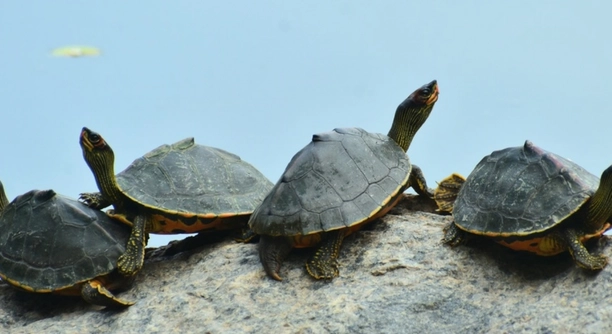
If your Indian Roofed Tortoise keeps blowing bubbles, it can be a concerning sign. Understanding the possible causes behind this behavior can help ensure the health and well-being of your pet.
The most common cause of bubble blowing in tortoises is respiratory issues, such as a respiratory infection. This can occur due to improper temperature, humidity, or other environmental stressors affecting your tortoise’s health.
Addressing environmental factors and observing any other symptoms can help prevent further health complications for your tortoise.
Causes of Respiratory Infections in Indian Roofed Tortoises
A respiratory infection in your Indian Roofed Tortoise can develop from various factors, including low temperatures, poor humidity, or exposure to drafts. Tortoises rely heavily on stable environmental conditions to stay healthy. If the tank or enclosure is too cold or too damp, their immune system weakens, making them more susceptible to infections. It’s important to regularly check the temperature and humidity levels within their habitat. Keep in mind that these tortoises are highly sensitive to environmental changes, and even minor fluctuations can affect their health. Overcrowding in the enclosure can also stress them out, contributing to their risk of respiratory issues.
The symptoms of a respiratory infection include bubble formation around the nose or mouth, wheezing, and lethargy. If you notice any of these signs, it’s crucial to address the problem immediately.
A visit to the vet can help determine the exact cause and provide appropriate treatment. Early intervention will make it easier to treat the infection and prevent further complications.
How to Manage Humidity and Temperature
Maintaining proper humidity and temperature levels in your tortoise’s habitat is essential. A stable environment will help prevent respiratory infections.
The ideal temperature for an Indian Roofed Tortoise ranges between 75°F to 85°F during the day and should never drop below 70°F at night. You can achieve this by using heat lamps, ensuring the enclosure has a warm area and a cooler zone. Humidity should be maintained around 50%-60%. You can use a hygrometer to monitor the humidity levels and adjust them accordingly using a spray bottle or a humidity box.
With consistent temperature and humidity, your tortoise’s immune system stays strong, lowering the chances of respiratory infections.
Overcrowding and Stress
Overcrowding in your tortoise’s enclosure can increase stress, which weakens their immune system and makes them more vulnerable to infections. A stressed tortoise will show signs of discomfort, such as aggression, hiding, or reduced appetite.
Stress from overcrowding can lead to respiratory issues and other health problems. It’s important to ensure your tortoise has ample space to move around and hide if needed. The enclosure should allow them to roam freely and without constant interaction with other tortoises. Monitor their behavior for signs of stress and adjust the setup as needed.
A solitary, calm environment will help your tortoise feel secure, reducing the chances of infection. Adding more hiding spots and observing interactions between animals in the same space will help lower stress levels.
Signs of Respiratory Problems
When a tortoise suffers from respiratory issues, there are visible signs that you should look for. Bubbling around the nose and mouth is one of the most noticeable indicators. Additionally, lethargy, wheezing, or a decrease in appetite can signal underlying respiratory problems.
If your tortoise has any of these symptoms, it’s important to isolate them in a quiet, warm environment. Lower temperatures can make the infection worse, so keeping them at an appropriate temperature is crucial. Regularly monitor their breathing and appetite to track any changes. If the symptoms persist, it’s best to consult with a veterinarian for further evaluation.
Even mild symptoms should be addressed promptly to avoid the infection from worsening. Early intervention can lead to quicker recovery and a healthier tortoise.
Cleaning and Hygiene
Regular cleaning of the enclosure is crucial for maintaining your tortoise’s health. Bacteria and mold can build up if the habitat isn’t kept clean, increasing the risk of infections.
Clean the enclosure weekly, removing waste and replacing any soiled bedding. Disinfect the tank with pet-safe cleaners to keep harmful microorganisms at bay.
Proper hygiene also includes providing fresh water daily. Stagnant water can promote bacterial growth, so make sure your tortoise has access to clean water at all times. This simple habit will contribute to their overall well-being.
Diet and Hydration
A balanced diet plays a significant role in your tortoise’s immune system. Ensure they are getting a variety of appropriate foods, including leafy greens, vegetables, and occasional fruit. A nutrient-rich diet will strengthen their health and help them resist infections.
Hydration is equally important. Dehydration can weaken their immune system, making it harder for them to recover from illness. Ensure your tortoise has access to fresh, clean water at all times. Regularly soak them in shallow, warm water to help with hydration and to aid digestion.
Proper Lighting and UVB
Proper lighting is essential for your tortoise’s health. UVB light helps them absorb calcium, which is vital for bone health and overall strength. Without proper UVB lighting, they may develop metabolic bone disease.
Ensure your tortoise has access to UVB light for 10-12 hours a day. If natural sunlight is unavailable, use a UVB bulb designed for reptiles. This will help keep your tortoise healthy and support their immune system, reducing the likelihood of illnesses, including respiratory infections.
FAQ
What causes an Indian Roofed Tortoise to blow bubbles?
Blowing bubbles is often a sign of respiratory infection in tortoises. It usually occurs due to poor environmental conditions, such as incorrect temperature, humidity, or overcrowding. These factors stress the tortoise and weaken its immune system, making it more susceptible to infections.
How can I tell if my tortoise has a respiratory infection?
The main signs of a respiratory infection are bubbles around the nose or mouth, wheezing, and lethargy. If your tortoise is spending more time hiding, eating less, or has a watery nose, these could be signs of illness. Early detection is key to preventing the infection from worsening.
What temperature should my tortoise’s enclosure be?
Indian Roofed Tortoises thrive in a temperature range of 75°F to 85°F during the day. At night, the temperature should not drop below 70°F. A heat source like a heat lamp is essential for creating a warm area in the enclosure. Use a thermometer to monitor the temperature and make adjustments if needed.
How can I maintain the right humidity for my tortoise?
Humidity levels for an Indian Roofed Tortoise should be maintained between 50%-60%. Use a hygrometer to monitor the levels. If the humidity is too low, you can increase it by spraying water in the enclosure or providing a humidity box. It’s important not to make the environment too damp, as this can also cause health issues.
Can overcrowding affect my tortoise’s health?
Yes, overcrowding can cause stress and increase the risk of respiratory problems. Tortoises need space to roam and to find a place to hide if they feel threatened. Providing sufficient space helps reduce stress and promotes a healthier environment for your tortoise.
What can I do if my tortoise seems stressed?
To reduce stress, make sure the enclosure is large enough and provides hiding spots. Avoid handling your tortoise too frequently, and monitor any other animals in the space. Stress can be minimized by maintaining stable temperatures, humidity, and a calm environment.
How often should I clean my tortoise’s enclosure?
The enclosure should be cleaned weekly. Remove any waste, replace soiled bedding, and disinfect the tank with a pet-safe cleaner. Keeping the environment clean prevents the growth of harmful bacteria and mold, which can lead to respiratory infections.
Is it important to soak my tortoise in water?
Yes, soaking your tortoise in shallow, warm water is important for hydration and digestion. It helps prevent dehydration and can also aid in bowel movements. Soak your tortoise for about 20-30 minutes a few times a week, depending on their needs.
What should I feed my tortoise?
A healthy diet for an Indian Roofed Tortoise includes leafy greens, such as collard greens, mustard greens, and dandelion leaves. You can also offer other vegetables like bell peppers, squash, and occasional fruit. Avoid feeding them high-oxalate vegetables like spinach and rhubarb.
How much should I feed my tortoise?
Feed your tortoise as much as they can eat in about 15-20 minutes. It’s important to provide fresh food daily, but avoid overfeeding. Your tortoise’s diet should be balanced and contain a variety of vegetables, leafy greens, and some fruit. Monitor their weight and adjust portions if necessary.
What lighting does my tortoise need?
Indian Roofed Tortoises require UVB lighting to help them absorb calcium and maintain strong bones. Provide a UVB light for 10-12 hours a day. If natural sunlight is unavailable, use a UVB bulb designed for reptiles. Regular access to UVB light helps support their overall health.
How can I prevent my tortoise from getting respiratory infections?
To prevent respiratory infections, keep your tortoise’s environment clean, maintain proper temperature and humidity levels, and ensure they have access to UVB light. Regularly check the water quality and provide a balanced diet. Also, avoid overcrowding and stress by giving your tortoise enough space.
What should I do if my tortoise is not eating?
If your tortoise stops eating, it could be a sign of stress or illness. Ensure their habitat is at the correct temperature and humidity, and check for any signs of respiratory infection. If they continue to refuse food for more than a couple of days, consult a veterinarian.
Final Thoughts
Caring for an Indian Roofed Tortoise requires attention to several key factors to maintain their health and well-being. Proper environmental conditions, such as the right temperature and humidity, are essential for your tortoise to thrive. Regular cleaning and ensuring their enclosure is spacious and comfortable are equally important. A balanced diet consisting of leafy greens and other vegetables provides the necessary nutrients for their growth and immune system. Hydration is also critical, so make sure your tortoise always has access to fresh water and is soaked regularly to stay hydrated.
Another significant factor in caring for your tortoise is proper lighting, particularly UVB light, which helps them absorb calcium and maintain strong bones. Without the right amount of UVB light, they may develop serious health issues, including metabolic bone disease. Monitoring the temperature and humidity in their enclosure will help keep them comfortable and minimize the risk of respiratory problems or infections. It’s also important to watch for any signs of illness, such as excessive bubbling, lethargy, or difficulty eating. Early intervention is crucial to prevent serious health issues.
The key to a long and healthy life for your tortoise lies in creating a stress-free, safe, and well-maintained environment. Avoid overcrowding, and handle your tortoise gently to reduce unnecessary stress. With regular care, proper attention to their needs, and quick action when issues arise, your Indian Roofed Tortoise can live a healthy and happy life.

Hello,
If you enjoy the content that we create, please consider saying a "Thank You!" by leaving a tip.
Every little bit helps us continue crafting quality advice that supports the health, happiness, and well-being of pets around the world, for pets of all shapes, sizes, and species.
We really appreciate the kindness and support that you show us!