
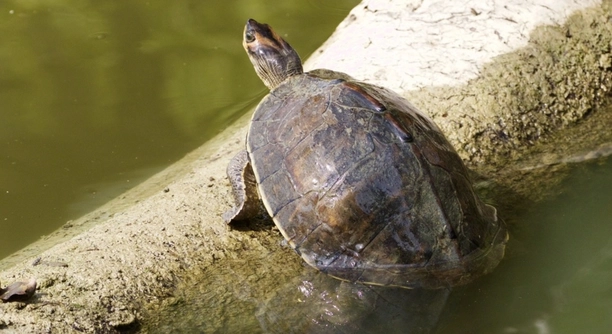
Indian Roofed Tortoises are fascinating creatures, but like all pets, they can sometimes fall ill. Knowing the warning signs of sickness can help you care for your pet and provide the right treatment when needed.
Signs of illness in Indian Roofed Tortoises include changes in behavior, appetite, and physical appearance. Common indicators are lethargy, respiratory issues, and irregularities in shell condition. Early identification of these signs is crucial for their well-being.
Recognizing these symptoms early will ensure your tortoise gets the right care. Understanding these signs can help keep your pet healthy and happy.
Changes in Appetite and Eating Habits
A sudden loss of appetite or changes in eating habits are often one of the first signs that your Indian Roofed Tortoise may be unwell. If your tortoise stops eating or significantly reduces its food intake, it’s a warning that something might be wrong. A healthy tortoise should be consistently eating a balanced diet, which includes leafy greens, fruits, and occasional protein. If the changes in eating habits persist for more than a day or two, it’s important to assess the situation further and consider consulting a vet. Sudden weight loss or bloating can also indicate a serious issue.
Dehydration is another common factor affecting appetite. If your tortoise isn’t drinking enough water, it could be less inclined to eat.
A loss of appetite can be triggered by various factors, including stress, illness, or improper environmental conditions like humidity or temperature. Stress can often arise from changes in its living space, while temperature imbalances can directly affect digestion and feeding behavior. The tortoise’s habitat should be monitored closely, ensuring the temperature remains consistent with the natural climate it thrives in. If dietary issues continue, an underlying medical condition may be at fault, requiring immediate attention.
Breathing Problems and Respiratory Distress
Respiratory issues are common in reptiles and can be a sign of illness. If your tortoise starts wheezing, has nasal discharge, or exhibits labored breathing, it is likely dealing with respiratory distress. This could be due to various factors, such as cold temperatures, poor humidity levels, or an underlying infection.
Respiratory problems should be addressed promptly, as they can worsen without proper treatment.
Shell Condition
A change in the condition of your tortoise’s shell can indicate health problems. Look for any cracks, softness, or abnormal growth. A healthy shell should be hard, smooth, and free of marks or lesions.
Soft or damaged shells are often caused by a calcium deficiency or injury. If the shell becomes softer or appears deformed, it may indicate a lack of proper nutrition or improper living conditions, such as low UV light or humidity. In extreme cases, a soft shell could signal metabolic bone disease. These issues require immediate attention from a vet.
Regularly inspect your tortoise’s shell for any signs of injury or fungal infection. If there are any dark patches or unusual changes in texture, this may be a sign of infection or malnutrition. Always ensure your tortoise has access to appropriate UVB lighting and a balanced diet, which is crucial for maintaining a healthy shell. Proper care can prevent shell-related health problems.
Lethargy and Unusual Behavior
If your tortoise starts displaying a lack of energy or unusual behavior, it might be a sign of illness. A healthy tortoise is usually active and curious, moving around and interacting with its environment.
Lethargy can be caused by a variety of factors, including inadequate temperature, dehydration, or an infection. If your tortoise is not moving around as it usually does or seems unusually tired, check its habitat for any temperature or humidity issues. A warm basking spot is essential for digestion and overall health. If environmental factors are not the issue, consider other possible health problems, such as respiratory or digestive issues, which can cause lethargy.
In some cases, excessive sleep can also be a sign of stress or an underlying infection. If this behavior persists for more than a couple of days, consult with a veterinarian for a thorough diagnosis. Early intervention can make a significant difference in the outcome.
Changes in Feces
If your tortoise’s feces suddenly changes in color, texture, or consistency, it may be an indicator of illness. Healthy tortoise stool should be firm, dark, and free of excessive liquid.
Loose or runny stools can signal digestive problems, such as parasites or an infection. Constipation, on the other hand, can be caused by dehydration or improper diet. Both conditions require prompt attention.
Observe your tortoise’s eating habits and habitat conditions to rule out any external factors, such as temperature or humidity issues. If the abnormal feces persists for more than a day, a vet should evaluate your pet.
Skin Issues
Skin problems in tortoises, like shedding irregularities or rashes, can indicate health concerns. Healthy skin should be smooth, and any scabbing or swelling could signal an infection.
Dry or flaky skin can occur due to inadequate humidity or improper care. Tortoises rely on a humid environment to help with shedding and skin health. Check the habitat to ensure proper humidity levels and moisture. If the skin problem persists or worsens, professional care may be necessary.
Lack of Mobility
A tortoise that refuses to move or shows difficulty with mobility could be suffering from an injury or a more serious condition. This lack of movement can result from pain, infection, or joint issues. Regular activity is important for maintaining muscle strength and overall health.
FAQ
What should I do if my tortoise is not eating?
If your tortoise refuses to eat, check its environment first. Ensure that the temperature and humidity are appropriate for its species. Lack of appetite can be caused by stress or poor living conditions. If the environment is suitable, consider whether your tortoise might be sick, and contact a vet for further guidance. In some cases, offering a variety of fresh foods can help stimulate appetite. However, if it persists for more than a couple of days, a professional opinion is necessary.
How can I tell if my tortoise is dehydrated?
Signs of dehydration in a tortoise include dry or wrinkled skin, sunken eyes, and lethargy. If you suspect dehydration, soak your tortoise in lukewarm water for 20-30 minutes to help hydrate it. Always provide fresh drinking water and ensure it has access to a humid environment. Dehydration can worsen quickly, so taking action right away is crucial.
What temperature should my tortoise’s enclosure be?
The temperature should be carefully regulated based on the species of tortoise you have. Generally, a basking spot should be between 90-95°F, while the cooler side of the enclosure should range from 70-80°F. A temperature gradient allows the tortoise to regulate its body temperature. Too high or too low of temperatures can lead to health issues, including stress, loss of appetite, and respiratory problems.
How can I prevent respiratory issues in my tortoise?
To prevent respiratory issues, ensure your tortoise’s enclosure has the right humidity levels and adequate ventilation. Avoid drafts and temperature fluctuations, as these can stress the tortoise and weaken its immune system. Providing UVB lighting is also essential for its health. Keep the enclosure clean to minimize exposure to bacteria or mold that may cause infections.
Is it normal for a tortoise to sleep a lot?
Tortoises are known to sleep a lot, especially in colder weather. However, if your tortoise is sleeping excessively or seems lethargic even during its active periods, it may be a sign of illness. If the behavior continues for several days, it’s important to examine its environment and diet, and consult a vet if necessary.
What can I do if my tortoise’s shell is soft?
A soft shell is often caused by a calcium deficiency or insufficient UVB lighting. Ensure that your tortoise has a proper diet that includes calcium-rich foods, such as dark leafy greens, and supplement with calcium powder if needed. Adequate UVB exposure helps the body absorb calcium. If the shell remains soft, contact a vet for a proper diagnosis and treatment plan.
Can tortoises get sick from being in the rain?
While tortoises are naturally resilient, prolonged exposure to rain can stress them out and lower their body temperature, leading to illness. If your tortoise is kept outdoors, ensure that it has access to shelter to keep dry during rainy weather. If you notice signs of respiratory distress after rain exposure, consult a vet.
How can I tell if my tortoise is stressed?
Stress in tortoises can manifest in several ways, including loss of appetite, lethargy, aggression, or refusal to move. Common stressors include an improper habitat, changes in routine, or overcrowding. Make sure your tortoise has a peaceful, consistent environment with proper temperature, humidity, and diet. If stress continues, a veterinarian can help identify any underlying issues.
Why is my tortoise digging so much?
Digging is a normal behavior for tortoises, but excessive digging can indicate stress, an unsuitable environment, or even the need to lay eggs. If digging seems excessive, check the humidity and temperature levels in the enclosure. If your female tortoise is digging and trying to escape, she might be seeking a nesting area. In this case, provide a designated space for nesting to reduce stress.
What should I do if my tortoise is showing signs of a fungal infection?
If you notice abnormal skin patches, scabs, or fungal growths on your tortoise, it may have a fungal infection. Fungal infections can occur due to damp, dirty conditions. Keep the enclosure clean and dry, and increase ventilation. If you suspect an infection, consult a vet who can prescribe antifungal treatments to help your tortoise recover.
Final Thoughts
Taking care of an Indian Roofed Tortoise requires attention to detail and understanding their specific needs. These tortoises are resilient creatures, but like all pets, they can become sick if their environment is not properly managed. Ensuring they have a clean habitat, a balanced diet, and the right temperature and humidity levels can go a long way in preventing illness. Regularly monitoring their health is also crucial. Noticing any changes early can help address potential issues before they become serious.
While these tortoises are generally hardy, they can still experience health problems due to improper care or environmental stress. It’s important to stay informed about their needs and be proactive in maintaining their well-being. Keep an eye on their behavior and physical appearance, and if something seems off, don’t hesitate to seek professional advice. A good vet experienced with reptiles can help diagnose and treat issues quickly, ensuring your tortoise remains healthy.
By following basic care guidelines and understanding the signs of illness, you can help your Indian Roofed Tortoise lead a healthy and happy life. Prevention is always better than treatment, so providing a stable, enriched environment is key. Take the time to learn about your tortoise’s species-specific needs, and you’ll be rewarded with a long, rewarding companionship.

Hello,
If you enjoy the content that we create, please consider saying a "Thank You!" by leaving a tip.
Every little bit helps us continue crafting quality advice that supports the health, happiness, and well-being of pets around the world, for pets of all shapes, sizes, and species.
We really appreciate the kindness and support that you show us!