
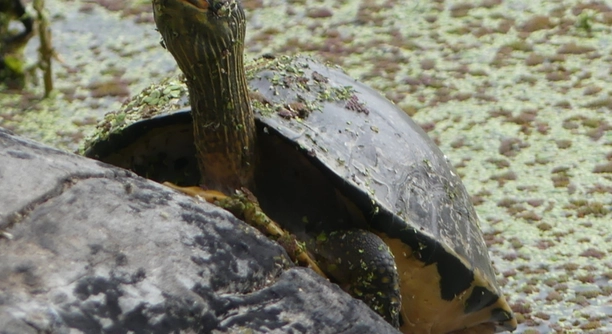
Keeping your Indian Roofed Tortoise’s nails trimmed is an essential part of its overall care. Overgrown nails can lead to discomfort and health issues. Regular nail maintenance ensures your tortoise remains healthy and active.
The most effective way to prevent overgrown nails in your tortoise is by regularly providing a rough surface to walk on. This encourages natural wear and tear of the nails, reducing the need for frequent trimming.
Proper nail care and a suitable environment will help keep your tortoise comfortable and healthy.
Why Tortoise Nails Overgrow
Overgrown nails in tortoises are often caused by a lack of rough surfaces. When a tortoise doesn’t have a place to naturally wear down its nails, they grow longer than they should. This can lead to several health concerns, such as discomfort when walking or even injury. Tortoises in the wild tend to walk over hard, rough terrain, which naturally helps keep their nails at an appropriate length. In captivity, however, it’s essential to recreate that environment with rough surfaces like gravel or concrete to promote proper nail wear.
A lack of physical activity can also contribute to overgrown nails. When tortoises aren’t moving around enough, they don’t get the natural friction that keeps their nails trimmed. Regular movement is necessary for your tortoise’s overall well-being, including nail care.
By offering your tortoise the right environment and encouraging more activity, you can prevent nail problems and keep your pet comfortable and healthy.
The Importance of Regular Nail Trimming
While rough surfaces are great for natural nail wear, sometimes your tortoise’s nails still need trimming. Overgrown nails can cause discomfort and make movement difficult for your tortoise. To prevent these issues, trimming should be done carefully.
Trimming tortoise nails should be done with caution, ensuring you don’t cut too far down, as this can cause bleeding. Using the right tools, like small animal clippers, can make the process easier. It’s best to trim the nails when they’re dry and not too long. Keep in mind that trimming too frequently can be harmful, so it’s essential to balance rough surfaces with occasional trimming. Keeping a consistent routine will help avoid complications.
How to Set Up the Right Environment
Creating the proper environment for your tortoise is key to preventing overgrown nails. A mixture of rough surfaces such as concrete, gravel, or outdoor spaces can help wear down their nails naturally. Providing these surfaces allows the tortoise to move freely and keep its nails in check.
Having both indoor and outdoor spaces for your tortoise to roam ensures they get enough movement and friction on the surfaces. When they have access to these areas, it mimics the conditions of their natural habitat. Additionally, if you’re housing your tortoise indoors, make sure to place rough objects, such as rocks or tiles, that they can walk on regularly. The right environment helps reduce the frequency of needing to trim their nails.
Routine access to these surfaces helps your tortoise maintain proper nail length. The more movement they have on rough textures, the less likely you’ll need to trim their nails as frequently.
How to Trim Tortoise Nails Safely
When trimming your tortoise’s nails, using the proper tools is essential. Small animal nail clippers are ideal for the job, as they can make clean cuts without causing harm. You must be gentle, only cutting the nail tips, avoiding the sensitive areas.
To begin trimming, start by gently holding your tortoise’s feet. Carefully clip the very tip of the nail, ensuring not to go too deep. Taking off only the sharp tips is enough to prevent overgrowth. This method reduces the risk of injury, keeping your tortoise calm during the process. It’s important to keep their nails short without cutting too much. Keep the trimming sessions short to prevent unnecessary stress.
Trimming your tortoise’s nails regularly allows for proper care without disrupting their natural movement. The key is to keep the process stress-free, using the right tools, and maintaining a calm approach during the trimming.
Signs of Overgrown Nails
Overgrown nails in tortoises are easy to spot. If your tortoise is having trouble walking or seems to be dragging its feet, this could be a sign of long nails. Nails that are too long might also curve or break, causing discomfort.
Another sign is if the nails get caught on surfaces, which could lead to injury. Long nails may interfere with natural movement and balance, making your tortoise less active. It’s important to regularly check their nails for any signs of overgrowth to prevent these issues. Keeping a close eye on their behavior helps you catch problems early.
Preventing Overgrowth with a Proper Diet
A healthy diet is essential in maintaining proper nail growth. Providing your tortoise with a balanced diet rich in calcium and fiber helps keep their nails strong and healthy. A lack of these nutrients can contribute to weak or overgrown nails.
A varied diet with leafy greens, vegetables, and occasional fruits ensures your tortoise gets all the nutrients it needs. Adding calcium supplements can also be beneficial, as calcium supports healthy bone and nail growth. Regularly offering fresh foods helps keep your tortoise strong, active, and less prone to nail problems.
Regular Exercise and Activity
Regular exercise is crucial for preventing overgrown nails. When your tortoise is active, it naturally wears down its nails by walking on different surfaces. Lack of movement can cause the nails to grow excessively long, leading to discomfort.
Encouraging your tortoise to roam in a safe, spacious area helps maintain proper nail length. Providing opportunities for climbing and exploring different terrains further supports natural nail wear. This exercise is an essential part of your tortoise’s health and well-being, ensuring they stay active and comfortable.
FAQ
How often should I trim my tortoise’s nails?
How often you trim your tortoise’s nails depends on their environment and activity level. If they have access to rough surfaces that naturally wear down their nails, trimming may only be necessary every few months. However, if you notice their nails are getting too long, you should trim them sooner. Regular checks every few weeks will help determine the right time for trimming.
What happens if I trim my tortoise’s nails too short?
Trimming a tortoise’s nails too short can lead to injury, including bleeding or pain. The nail contains sensitive tissue, and cutting it too short can expose the quick, which may cause discomfort or even infection. It’s important to trim only the tips of the nails, avoiding the pinkish area that contains blood vessels.
Can I use human nail clippers for my tortoise?
It’s better to use small animal nail clippers designed specifically for tortoises or other reptiles. Human clippers may not provide the precision needed for a clean cut and could cause the nail to split. Using the proper tools ensures a smoother and safer experience for both you and your tortoise.
What are the signs that my tortoise’s nails are overgrown?
Signs that your tortoise’s nails are overgrown include difficulty walking, nails that curl, or nails that are getting caught on surfaces. Overgrown nails can also affect the tortoise’s balance and movement. If your tortoise seems uncomfortable or its nails appear unusually long, it’s time to check and possibly trim them.
Can overgrown nails cause pain to my tortoise?
Yes, overgrown nails can cause pain. When the nails grow too long, they can press into the tortoise’s feet, leading to discomfort, inflammation, or even injury. In severe cases, long nails can interfere with their ability to walk or move properly, making it harder for them to stay active.
How can I encourage my tortoise to walk more to wear down its nails?
Encouraging your tortoise to walk more involves giving them a larger space to roam, with a variety of rough surfaces such as gravel or concrete. Placing food or enrichment items on different areas of the enclosure can motivate them to explore and walk more. Regular outdoor time can also help.
Is it safe to trim my tortoise’s nails myself, or should I seek a professional?
Trimming your tortoise’s nails is safe if done properly. If you’re unsure about how to do it correctly, it’s better to seek help from a vet or a professional experienced with reptiles. However, with the right tools and a calm approach, trimming at home can be easily managed.
What type of surface should I provide to keep my tortoise’s nails from overgrowing?
To prevent overgrown nails, provide a variety of rough surfaces in your tortoise’s enclosure. Concrete, gravel, or tiles are excellent options. These surfaces mimic natural terrain and help wear down their nails as they walk. It’s important to make sure the surfaces are large enough for them to move around freely.
How can I prevent my tortoise from injuring itself while walking on rough surfaces?
Ensure the rough surfaces are not too sharp or abrasive, as this could cause injury to your tortoise’s feet. Make sure the surfaces are smooth and provide enough space for your tortoise to roam safely. Also, monitor their movement to ensure they are not in pain or discomfort.
What should I do if my tortoise’s nails break?
If your tortoise’s nails break, clean the area with warm water to prevent infection. Avoid trimming the nail any further if it has broken to the quick, as this could cause bleeding. Apply an antiseptic to the area and monitor for any signs of infection. If the injury looks severe, consult a vet for proper care.
How can I tell if my tortoise’s nails are growing unevenly?
Uneven nail growth can be identified if one nail is noticeably longer than the others or if your tortoise’s movement seems off. Check regularly for signs of abnormal growth patterns. Uneven nails may need trimming to ensure your tortoise can walk comfortably and without pain.
Can a tortoise’s nails naturally file down over time?
Yes, if your tortoise is active and has access to rough surfaces, its nails can naturally file down over time. This is common in the wild, where they walk on rough terrain. In captivity, providing adequate surfaces for movement helps mimic natural conditions and prevent overgrowth.
Final Thoughts
Taking care of your Indian Roofed Tortoise’s nails is essential for its overall health and well-being. Regular monitoring of their nails can help you catch any overgrowth early, preventing discomfort or injury. The natural environment of your tortoise plays a large role in nail maintenance, so providing rough surfaces to walk on is an easy way to support their nail health. In addition, a proper diet rich in calcium and other nutrients will help keep their nails strong and healthy, reducing the need for frequent trims.
If you notice signs of overgrowth, such as difficulty walking or nails getting caught on surfaces, it’s time to act. Trimming their nails may seem intimidating, but with the right tools and approach, it’s manageable. It’s always best to trim only the tips of the nails to avoid cutting into the sensitive quick. If you’re unsure about how to trim properly, a vet or reptile expert can assist you. Regularly checking your tortoise’s nails will make it easier to prevent issues from becoming more serious, ensuring that they stay comfortable and active.
Ultimately, preventing overgrown nails in your tortoise involves a combination of factors, including exercise, diet, and proper care. Keeping their enclosure spacious and equipped with surfaces that naturally wear down their nails will encourage movement. Providing a balanced diet and regular nail checks are key steps in maintaining their health. By paying attention to their needs, you can ensure your tortoise remains happy and healthy for years to come.

Hello,
If you enjoy the content that we create, please consider saying a "Thank You!" by leaving a tip.
Every little bit helps us continue crafting quality advice that supports the health, happiness, and well-being of pets around the world, for pets of all shapes, sizes, and species.
We really appreciate the kindness and support that you show us!