
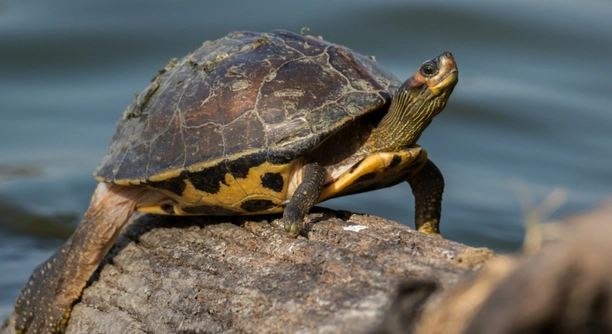
If your Indian Roofed Tortoise is feeling unwell, offering the right foods can support its recovery. A proper diet is essential for ensuring a smooth recovery and boosting its overall well-being.
The best foods to help an Indian Roofed Tortoise recover include leafy greens, fruits, and vegetables rich in essential nutrients and hydration. Foods like dandelion greens, hibiscus flowers, and papaya are beneficial for restoring energy and supporting the immune system.
The right foods will help restore strength and enhance your tortoise’s health. Understanding the nutritional needs of a sick tortoise is key to improving its condition.
Leafy Greens: A Vital Nutritional Source
Leafy greens are a staple in a sick tortoise’s diet. These vegetables are packed with fiber, vitamins, and minerals. Dandelion greens, kale, and collard greens are excellent choices, providing important nutrients like calcium and vitamin A. These nutrients support immune function and help with digestion, which is crucial during recovery. Additionally, leafy greens are high in water content, which keeps your tortoise hydrated. Hydration is just as essential as nutrition when it comes to healing, as it helps to flush out toxins and aids in digestion.
To ensure variety, rotate different types of leafy greens. This prevents nutrient imbalances and adds excitement to the diet. Always wash the greens thoroughly to remove pesticides or chemicals that could harm your tortoise. Offering fresh, clean greens daily will support a strong recovery process, ensuring your tortoise receives optimal care during its time of need.
It’s important to remember that not all greens are created equal. Some may be high in oxalates, which can interfere with calcium absorption. Stick to safe options to prevent any unwanted side effects.
Fruits and Vegetables for Added Hydration
Incorporating fruits and vegetables is another great way to boost hydration and nutritional intake.
Fruits like papaya, strawberries, and melon provide a sweet, hydrating option for your tortoise. These fruits are not only rich in water but also in essential vitamins like vitamin C, which helps strengthen the immune system. Vegetables such as zucchini, cucumber, and bell peppers are also hydrating and offer a variety of vitamins and minerals. Providing these options supports your tortoise’s hydration needs while aiding in its recovery.
The key to success when offering fruits and vegetables is moderation. Too many fruits can upset the tortoise’s digestive system due to their high sugar content. Stick to small portions and offer a balanced selection of fruits and vegetables for the best results.
Hydrating Liquids
Offering your sick tortoise hydrating liquids is crucial for its recovery. Fresh water should be available at all times, but adding some variety like coconut water or diluted fruit juices can provide additional hydration and electrolytes. Ensure that the liquids are free from additives or sweeteners, as these can be harmful.
Coconut water is rich in potassium and natural electrolytes, which can help balance fluids in the tortoise’s body. It’s also gentle on the digestive system, providing a safe way to rehydrate without upsetting their stomach. Offering liquids alongside their food ensures they get enough hydration, especially if the tortoise isn’t eating as much as usual. Hydrating liquids can help restore energy and aid in the healing process.
Be cautious about the temperature of the liquids; they should be at room temperature, as anything too cold or too hot can cause discomfort. Always monitor their water intake to ensure they are drinking enough. If your tortoise isn’t drinking on its own, consider gently soaking it in warm water for 10-15 minutes to encourage hydration.
High-Calcium Foods for Bone Health
High-calcium foods are necessary for your tortoise’s recovery, especially if it’s not eating enough.
Calcium supports bone health, shell repair, and overall growth, making it essential during the recovery period. You can offer foods like dandelion greens, mustard greens, and clover, all of which are naturally high in calcium. Alongside greens, consider offering calcium supplements, but be mindful not to overdo it, as an imbalance can lead to other health issues.
Calcium plays a role in maintaining a strong, healthy shell and helps prevent any complications related to bone density. A lack of calcium could cause issues with the tortoise’s shell, making it more vulnerable to damage. A steady intake of calcium will ensure that its skeletal system remains strong while it recuperates. Just ensure the calcium source is appropriate for their species.
Incorporating calcium-rich foods can also help improve muscle function and boost the tortoise’s overall energy levels. Remember, moderation is key when introducing any supplement or food to avoid upsetting the tortoise’s digestive system.
Safe, Non-Toxic Flowers
Offering non-toxic flowers can help brighten your tortoise’s diet while providing nutritional benefits. Flowers like hibiscus, dandelions, and nasturtiums are safe for tortoises and packed with essential vitamins. These flowers also contain antioxidants, which can aid in the healing process.
Dandelions, for example, are high in vitamin A and C, both of which are beneficial for boosting the immune system and supporting recovery. Hibiscus flowers contain calcium and other minerals that promote bone health, making them a great addition to the diet. When feeding flowers, ensure they are free from pesticides or chemicals to avoid harmful effects.
You can offer flowers as a garnish or mix them into the tortoise’s leafy greens to make meals more enticing. Just be sure to remove any remaining stems or leaves that could be difficult for the tortoise to digest.
Protein-Rich Foods for Healing
During recovery, protein plays a key role in tissue repair and overall strength.
Offering small amounts of protein can help accelerate healing and maintain muscle mass. You can introduce protein sources like boiled eggs, lean meats, or small amounts of tofu. Ensure the portions are appropriate for the size and dietary needs of your tortoise.
Be cautious with protein sources, as excessive protein intake can lead to kidney problems or other health issues in the long term. When offering protein-rich foods, balance them with other nutritious options to prevent overconsumption of protein. Protein, when provided in moderation, will support the healing process and help restore strength.
Avoid Processed Foods
Processed foods can harm your tortoise, especially during recovery.
Avoid offering anything with artificial additives, preservatives, or sugar. These can disrupt digestion and cause further complications. Stick to whole, natural foods to ensure that your tortoise gets the right nutrients without any unnecessary chemicals or additives.
FAQ
What are the best foods for a sick tortoise?
The best foods for a sick tortoise are leafy greens such as dandelion greens, collard greens, and kale. These are rich in nutrients like calcium and vitamin A. Fruits such as papaya, strawberries, and melon also provide hydration, which is vital for recovery. Additionally, vegetables like zucchini and bell peppers offer vitamins and hydration. Protein sources like boiled eggs or lean meats can be introduced in small amounts to support tissue repair. Always ensure the food is fresh and free from pesticides.
Can I feed my sick tortoise fruit?
Yes, you can feed your sick tortoise fruit, but it should be offered in moderation. Fruits like papaya, melons, and strawberries are good choices as they are hydrating and contain beneficial vitamins. However, fruits are often high in sugar, which can upset the digestive system if fed too frequently. A small portion a few times a week is ideal. Always remove any seeds or pits, as these could pose a choking hazard or be harmful to your tortoise.
Should I feed my sick tortoise protein?
Protein can be beneficial during recovery, but it should be given in small amounts. Protein sources like boiled eggs, tofu, and small amounts of lean meats help with tissue repair and muscle recovery. However, too much protein can cause kidney problems or disrupt the tortoise’s natural diet balance. Introduce protein gradually and only when necessary.
What about calcium for a sick tortoise?
Calcium is essential for bone health, shell repair, and overall recovery. High-calcium foods like dandelion greens, mustard greens, and clover should be included in the diet to support recovery. Additionally, calcium supplements may be offered but should be used with caution, as an excess of calcium can lead to other health issues. Be sure to balance calcium with other nutrients for overall well-being.
Can I feed my sick tortoise lettuce?
While lettuce can be fed to a sick tortoise, it should be avoided in large quantities. Iceberg lettuce, in particular, has little nutritional value and can cause diarrhea. Romaine lettuce is a better option but should still be offered in moderation. Focus on more nutrient-dense greens, like dandelion greens and collard greens, for better results during recovery.
How often should I feed a sick tortoise?
Feeding frequency for a sick tortoise can vary depending on its condition. Generally, offer food once or twice a day. If the tortoise isn’t eating much, try smaller meals more frequently to ensure it gets enough nutrition. Always provide fresh water at all times to keep the tortoise hydrated.
What foods should I avoid when feeding a sick tortoise?
Avoid feeding your sick tortoise processed foods, high-fat foods, or anything containing artificial additives or sugars. Foods like chocolate, avocado, and onions are toxic to tortoises and should never be offered. Additionally, avoid feeding large quantities of high-oxalate foods like spinach, which can interfere with calcium absorption. Stick to natural, fresh foods for the safest results.
Can I give my sick tortoise water with vitamins or electrolytes?
Yes, you can offer water with added vitamins or electrolytes, but it should be done cautiously. Coconut water, for instance, is a natural source of electrolytes and can be a good option for hydration. Always avoid commercial electrolyte solutions that may contain added sugars or chemicals. Make sure any product you use is safe for reptiles and free of harmful additives.
Should I soak my sick tortoise in water?
Soaking your sick tortoise can help encourage hydration, especially if it isn’t drinking enough on its own. Warm water (not hot) is ideal for soaking. Gently place your tortoise in the water for 10-15 minutes and allow it to drink or hydrate through its skin. Be sure to dry it off afterward to prevent chilling. Soaking can also help with bowel movements if the tortoise is constipated.
How can I tell if my tortoise is eating enough?
Monitor your tortoise’s behavior and food intake. A healthy tortoise should be eating regularly, and you should see a steady decline in food portions over time as it recovers. If your tortoise is not eating or drinking at all, it’s essential to consult a veterinarian. Keep track of its weight and monitor its activity level to assess progress.
Final Thoughts
Caring for a sick Indian Roofed Tortoise requires attention to detail and patience. A proper diet, consistent hydration, and a safe environment are key to helping your tortoise recover. The right food can make a significant difference in their healing process. Fresh, nutrient-dense greens, fruits, and vegetables are essential, but protein and calcium should be introduced carefully to avoid imbalance.
Keep in mind that recovery takes time. Tortoises are slow to heal, and sudden changes in diet or environment can cause stress, which can slow down their progress. It is important to offer small, frequent meals if necessary and avoid overwhelming your tortoise with too many new foods at once. Regular monitoring of their behavior and eating habits can provide insights into their recovery progress.
If the tortoise continues to show signs of illness or refuses to eat, it’s crucial to seek veterinary advice. A reptile vet can offer specialized care and guidance tailored to your tortoise’s specific needs. Even with the right food and care, some medical conditions may require professional treatment. Always keep a close eye on your tortoise’s health and take action quickly if something doesn’t seem right.

Hello,
If you enjoy the content that we create, please consider saying a "Thank You!" by leaving a tip.
Every little bit helps us continue crafting quality advice that supports the health, happiness, and well-being of pets around the world, for pets of all shapes, sizes, and species.
We really appreciate the kindness and support that you show us!