
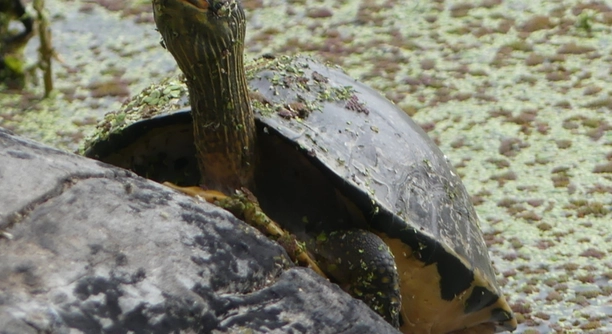
Indian Roofed Tortoises are fascinating creatures, and as a pet owner, it’s important to understand their behavior. If you’ve noticed your tortoise digging at night, you may be wondering why this happens and what it means.
The digging behavior of an Indian Roofed Tortoise at night is typically driven by instincts related to burrowing for safety, temperature regulation, or nesting. This nocturnal activity can be a natural part of their behavior, especially in a controlled environment.
This article will cover the reasons behind your tortoise’s late-night digging habits and provide tips on how to address it.
Why Do Indian Roofed Tortoises Dig?
Indian Roofed Tortoises often dig due to their natural instincts. They are wired to burrow for a variety of reasons. In the wild, digging helps them regulate temperature, protect themselves from predators, and create a safe space. When kept as pets, they may dig for similar reasons, or simply out of boredom.
Some tortoises dig to find cooler areas to rest, especially if they are too hot. Their bodies can easily overheat, so they search for a cooler environment by digging into the substrate. It is an instinctive action that helps them stay comfortable. Additionally, some tortoises may dig to hide or create a private spot to rest away from any disturbances.
Your tortoise might also dig at night because they are more active during cooler hours. As reptiles, their activity patterns often align with temperature changes. If you’ve noticed increased digging at night, it may simply be their way of responding to cooler conditions after dark.
Is Digging a Sign of Stress?
Digging may indicate stress in some cases, especially if it becomes excessive. If your tortoise is constantly digging and seems agitated, it could be a sign of discomfort in their environment. Overcrowding, lack of proper space, or changes in their habitat can trigger this behavior.
It’s important to ensure your tortoise has plenty of room to roam and a comfortable space to rest. A proper enclosure with enough substrate, such as soil or sand, can help reduce stress and provide a more suitable living environment. If your tortoise seems overly stressed, observing other signs like changes in eating habits or behavior can help determine the cause.
A balanced, safe habitat is key. Provide them with a designated digging area where they can engage in this natural behavior. You may also want to check the temperature of the enclosure to make sure it’s within their ideal range. Creating a comfortable space will help reduce any stress and allow them to dig for natural, instinctual reasons.
Is Digging Linked to Nesting Behavior?
Nesting behavior is another reason why your tortoise may dig. Female tortoises, in particular, dig to create a safe space for laying eggs. Even if they are not breeding, the instinct to dig can still be strong.
If your tortoise is a female, she may start digging in an attempt to find a place to lay eggs, even if they are not fertile. This behavior typically occurs during the breeding season, but it can happen at any time. You may notice her digging in the corners of the enclosure or at specific spots where she feels secure. Providing a deeper substrate and nesting areas can help her express this natural instinct without causing harm.
If you are unsure whether this is the cause, it may help to observe her behavior for changes in the months when she’s most likely to lay eggs. Keep an eye on any physical changes, such as weight gain or restlessness. Offering a quiet, secluded space for your tortoise can encourage this natural behavior.
How to Address Nighttime Digging
If nighttime digging becomes a concern, you can make a few adjustments to your tortoise’s environment. Reducing the temperature during the day can help to regulate nighttime behavior.
Consider adjusting the lighting in your tortoise’s enclosure as well. Some tortoises are more likely to dig when their light cycle is disrupted. Ensure that their enclosure has a natural light and dark cycle to mimic their environment. Tortoises are sensitive to light, so they may feel compelled to dig if the lighting is too bright at night. Keeping their habitat consistent can prevent confusion.
Another tip is to provide more enrichment. Tortoises enjoy digging and exploring, so offering different textures and items in their habitat, like logs or rocks, can reduce their urge to dig out of boredom. By giving them a more stimulating space, you may notice a decrease in unnecessary digging.
Do Environmental Changes Trigger Digging?
Changes in the environment can lead to digging. When your tortoise’s habitat undergoes a shift, like a change in temperature, humidity, or substrate, they may dig to adjust. It’s a natural response to unfamiliar conditions.
Even minor changes in their setup can cause discomfort. Tortoises are creatures of habit, and any environmental change can lead them to dig, sometimes as a way of coping. Make sure to monitor their surroundings and avoid sudden changes, as this can help reduce any digging related to stress. A stable environment is key for their well-being.
Providing Proper Substrate for Digging
Providing the right substrate is important for your tortoise’s natural digging behavior. Substrate like soil, sand, or a mix of both can help mimic natural conditions.
When creating a proper digging area, be sure to offer a deeper substrate, allowing your tortoise to dig comfortably. A layer of at least 4-6 inches is ideal, as this gives them space to engage in burrowing behavior. It’s important to regularly change the substrate to maintain cleanliness and ensure the environment stays hygienic.
Should You Be Concerned About Excessive Digging?
Excessive digging may indicate an underlying issue with your tortoise’s environment or health. If your tortoise continues digging without stopping, it’s worth observing other signs.
If the digging appears to be more frequent than usual and lasts for extended periods, it could be a sign of discomfort or stress. Keeping a close eye on your tortoise’s behavior will help you determine if this is something that needs further attention.
FAQ
Why does my tortoise dig at night?
Tortoises are naturally more active during cooler parts of the day, which often includes nighttime. They may dig to regulate their temperature or seek out a more comfortable spot. In the wild, they dig to find cooler places or to burrow for protection, and this instinct can remain strong in captivity. If your tortoise is digging at night, it’s likely trying to find a better place to rest or maintain its body temperature.
How can I tell if my tortoise is stressed?
Stress in tortoises can show through various behaviors, including constant digging, pacing, or lack of appetite. If your tortoise seems more agitated than usual, it could be a sign of stress. Check if the environment has changed recently, such as changes in the temperature, lighting, or noise levels. Stress can also be caused by overcrowding or a lack of hiding places. By observing your tortoise’s behavior, you’ll notice signs like erratic digging patterns or a refusal to eat.
Can digging be a sign of illness?
While digging is mostly a natural behavior, excessive or abnormal digging could indicate illness. If your tortoise is digging more than usual or seems to be unable to settle, it might be trying to escape discomfort. Monitor other symptoms like lethargy, changes in eating habits, or abnormal shell appearance. If these signs are present, it’s best to consult a veterinarian who specializes in reptiles.
Should I worry if my tortoise digs too much?
Frequent digging doesn’t always signal a problem, but excessive digging that causes injury or seems to be driven by anxiety or discomfort is a concern. If your tortoise is digging nonstop and seems overly agitated, it’s worth evaluating the enclosure. Check for anything that might be stressing them out, like unsuitable temperatures or a lack of space. Giving them more room, enriching their environment, and making sure their substrate is comfortable can help.
How do I make sure my tortoise’s enclosure is comfortable?
The key to a comfortable enclosure is creating a space that meets your tortoise’s natural needs. Start with a substrate that’s deep enough for digging, like a mix of sand and soil. Ensure there are hiding places where your tortoise can feel safe. Temperature control is also essential, as tortoises need a basking spot and cooler areas for proper temperature regulation. Lighting is also important—provide a proper day-night cycle to help them stay active at the right times.
Why does my female tortoise dig more than the male?
Female tortoises often dig more than males, especially when they are preparing to lay eggs. Even if she hasn’t mated, her body may still carry the instinct to dig a nest. This behavior typically occurs during the breeding season, but it can happen anytime. If you’re unsure whether the digging is related to nesting, observe her for signs like restlessness or changes in her body condition. Providing a nesting area with deeper substrate can help.
What should I do if my tortoise is digging to escape?
If your tortoise is digging to escape, it could be due to discomfort in its habitat. Check the enclosure’s temperature, humidity, and overall size. Ensure the space isn’t too small and that there are places for your tortoise to hide or retreat. If the digging seems like an attempt to escape, it’s important to address the cause of stress. You might need to adjust the setup to make it more comfortable for your tortoise.
Can I stop my tortoise from digging altogether?
While you can reduce excessive digging by adjusting your tortoise’s environment, completely stopping it isn’t realistic. Digging is a natural behavior, and attempting to eliminate it could cause more stress. Instead, focus on making the enclosure as comfortable as possible. Providing proper substrate, hiding places, and temperature control can help manage the behavior. You may also want to add enrichment to keep your tortoise mentally stimulated.
Is digging an issue only for certain types of tortoises?
Most tortoises, regardless of species, will dig as part of their natural behavior. However, some species may dig more frequently depending on their environment and specific needs. Indian Roofed Tortoises, for example, are known for digging, especially when they are adjusting their surroundings or creating a hiding space. Understanding your tortoise’s specific needs will help you manage their digging habits effectively.
Final Thoughts
Digging is a natural behavior for Indian Roofed Tortoises, and it can happen for various reasons. Whether they are trying to regulate their temperature, find a safe place, or simply following their instincts, it’s something that many tortoises do. While it can be surprising or even concerning at times, it’s usually just part of their daily routine. If your tortoise is digging at night, it’s most likely trying to find a cooler area or a quiet spot to rest. This is especially true for tortoises that live in enclosures that don’t replicate the natural conditions they would have in the wild.
However, if the digging becomes excessive or seems linked to stress, it’s important to pay attention to their environment. Changes in temperature, humidity, or enclosure size can trigger increased digging. It’s also worth noting that female tortoises may dig more frequently during the breeding season or when they feel the need to nest. Keeping a consistent and comfortable habitat is key to reducing unnecessary stress and providing the best living conditions for your tortoise. Regular observation of their behavior can help you identify any issues early on.
Ultimately, it’s about understanding why your tortoise digs and ensuring that its habitat meets its needs. While digging is completely normal, making small adjustments to the temperature, substrate, or enclosure layout can reduce the frequency of unnecessary digging. Providing an enriched environment with hiding spaces and areas to explore can also help your tortoise feel more secure and less likely to dig out of boredom or discomfort. By observing their behavior and making thoughtful changes, you can help ensure your tortoise stays healthy and happy.

Hello,
If you enjoy the content that we create, please consider saying a "Thank You!" by leaving a tip.
Every little bit helps us continue crafting quality advice that supports the health, happiness, and well-being of pets around the world, for pets of all shapes, sizes, and species.
We really appreciate the kindness and support that you show us!